11 min read



Key Takeaways
- A digital punch card is the digital version of a traditional paper punch or stamp card.
- Customers earn digital punches or stamps after qualifying visits or purchases and unlock a reward after reaching a set number.
- Digital punch cards make loyalty easier to manage because customers can track their progress on their phone instead of carrying a paper card.
- A digital punch card is simpler than a full digital rewards app, but it can be one part of a broader digital loyalty program.
- Businesses can use digital punch cards to encourage repeat visits, simplify reward tracking, and better understand customer activity.
- The best digital punch card should be simple for customers to join, easy for staff to manage, and flexible enough to support different rewards.
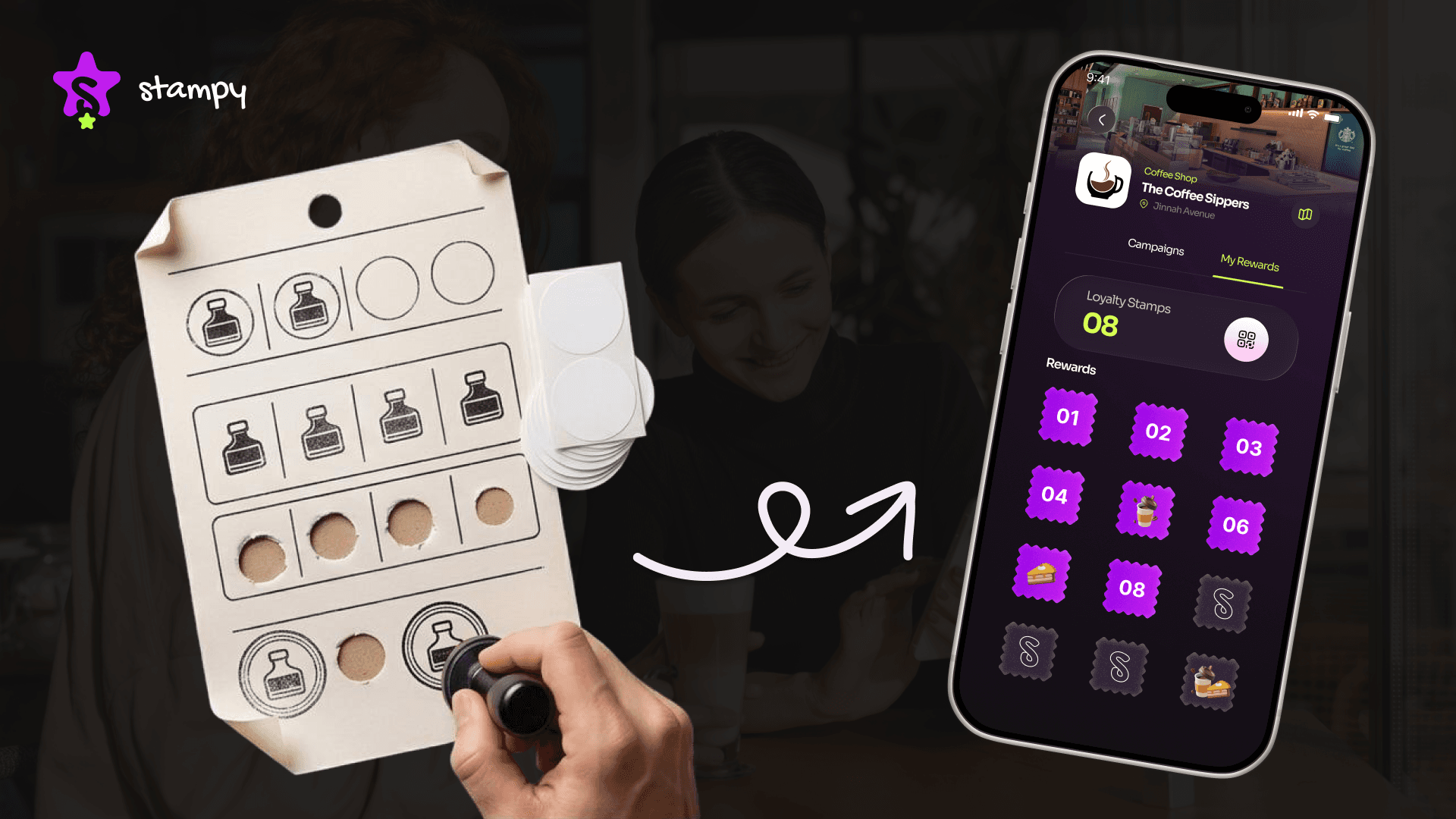
A digital punch card replaces the paper version with a phone-based loyalty system that customers actually carry.
Walk into a neighbourhood cafe, and you will probably still see one. A small paper card with ten little boxes, sitting next to the till, waiting for ink stamps. These cards have served coffee shops, salons, and pizza spots for decades. The basic deal is fair, i.e., buy nine coffees, get the tenth free. Easy enough, but the problem is something else.
Customers lose these physical punch cards or forget to get them stamped. The owner has no real idea who is using the program or how often anyone visits. A digital punch card fixes all of that by moving the whole thing into the customer's phone.
If you run a cafe, salon, or small retail shop in Pakistan in 2026, this matters more than ever before. Younger customers no longer pull paper cards out of their wallets. They prefer to handle things digitally because they like everything to be easily accessible on their devices.
Ever wondered how businesses are replacing traditional punch cards with digital scans? What if collecting rewards did not require carrying anything at all, just a quick scan on your phone? This guide is the short version of what digital punch cards are and how they actually work.
What is a Digital Punch Card?
A digital punch card is a digital version of a traditional punch or stamp card. Customers earn a digital punch or stamp after a qualifying purchase or visit, then receive a reward after reaching a set number.
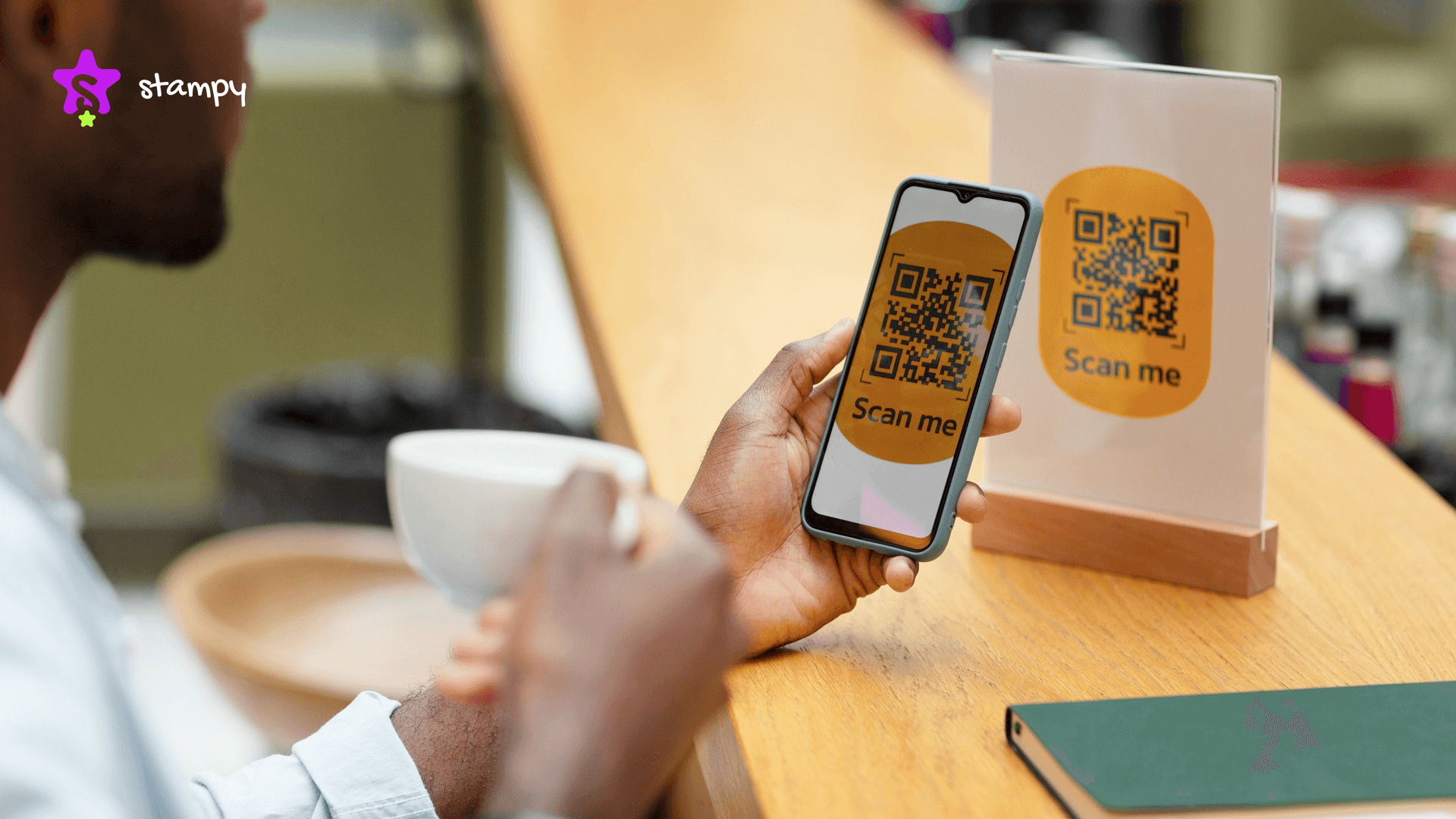
Instead of carrying a paper card, customers track their progress digitally through a loyalty app, mobile wallet, QR code, or another digital system.
The basic loyalty mechanic stays the same. For example, a coffee shop might offer one punch for every coffee purchased and give the customer a free coffee after 10 punches.
Digital punch cards can also give businesses more control over their loyalty programs. Depending on the platform, businesses may be able to set reward rules, track customer activity, manage campaigns, and monitor redemptions.
Other Names for a Digital Punch Card
You may also see digital punch cards called:
• Digital stamp cards
• Virtual punch cards
• Digital loyalty cards
• Mobile punch cards
• Electronic punch cards
• Online punch cards
The terms can vary, but a digital punch card generally uses the same basic model: customers complete qualifying actions, collect digital punches or stamps, and unlock a reward.
How Does a Digital Punch Card Work?
A digital punch card follows the same basic idea as a traditional loyalty card, but the customer's progress is stored digitally.
1. Customer Joins the Loyalty Program
The customer signs up for the business's loyalty program through an app, QR code, website, or digital wallet.
2. Customer Makes a Qualifying Purchase
The business decides which purchases, visits, or actions qualify for a punch.
3. Customer Receives a Digital Punch
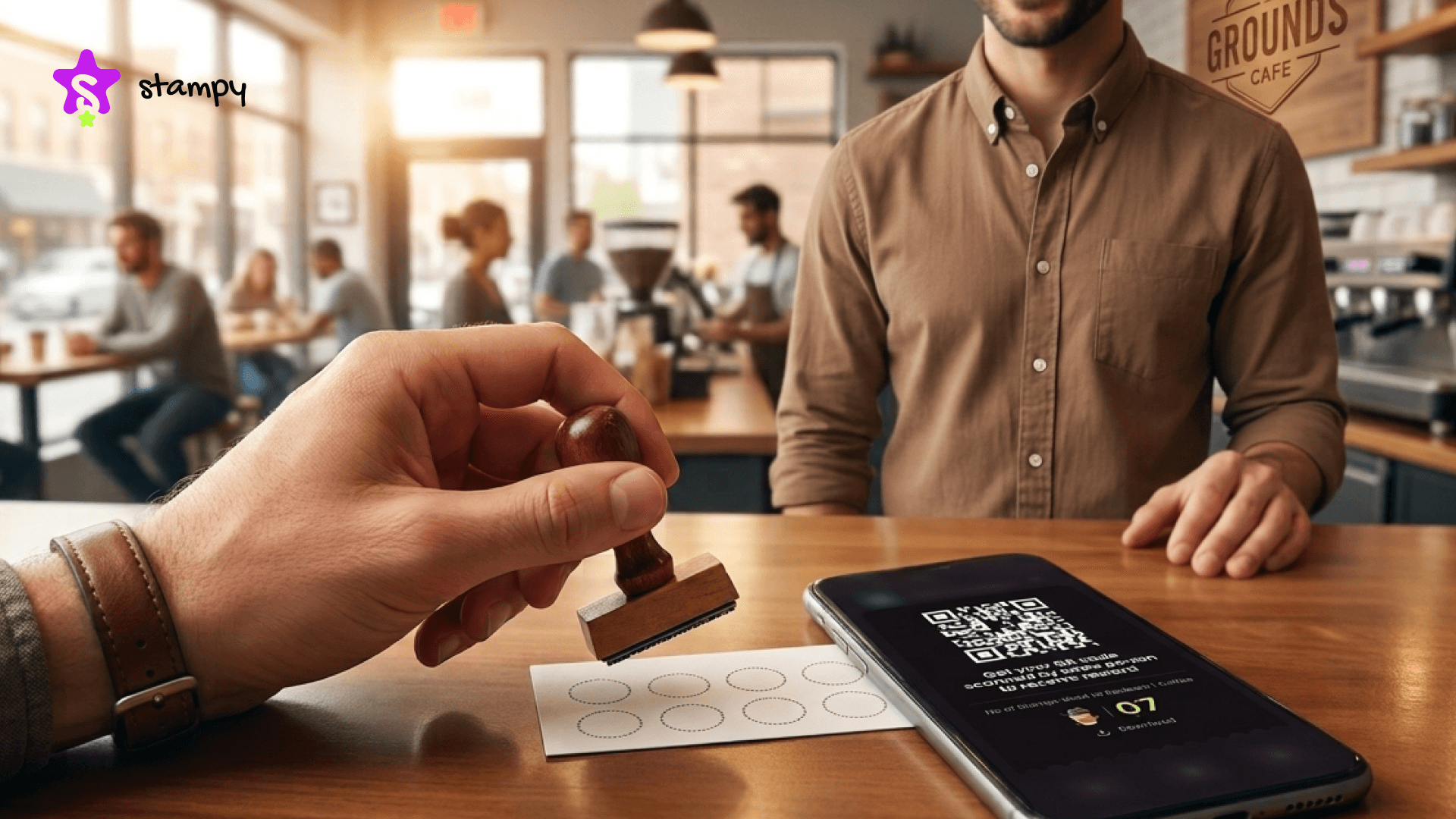
The punch is added to the customer's digital card after the qualifying transaction. Depending on the system, this can happen through a QR code scan, staff verification, or another digital check in method.
4. Customer Tracks Their Progress
Customers can see how many punches they have collected and how many they need before unlocking the next reward.
5. Customer Redeems the Reward
Once the customer reaches the required number of punches, they can redeem the reward according to the program's rules.
Digital Punch Card Example
Imagine a coffee shop creates a digital punch card that offers a free coffee after 10 purchases.
A customer joins the loyalty program and receives a digital card. Each qualifying purchase adds one punch. After the customer collects 10 punches, the free coffee reward becomes available.
The customer does not need to carry a paper card or remember how many stamps they have. They can check their progress digitally and redeem the reward when they reach the required number.
The same model can work for salons, restaurants, gyms, car washes, and other businesses where repeat visits are important.
The Unstoppable Rise of Mobile Wallets
QR scanning is now the default payment action for billions of customers worldwide. Customers worldwide already scan QR codes daily for mobile payments; a digital punch card uses the same familiar action.
The shift to mobile payments is the single biggest behavioural change in retail this decade. What started as a niche feature for early adopters is now the default payment method for most of the planet.
The Numbers Are Bigger Than Most Owners Realise. According to Juniper Research, there were 4.4 billion digital wallet users worldwide in 2025. That is more than half the global population. By 2030, the number is forecast to hit 6 billion, or over 70% of everyone on Earth.
Mobile wallets now handle 53% of all online purchases globally, more than twice the share of credit cards. In-store, mobile wallets capture 32% of point-of-sale transactions, more than any other single payment type. Apple Pay alone has roughly 818 million users worldwide.
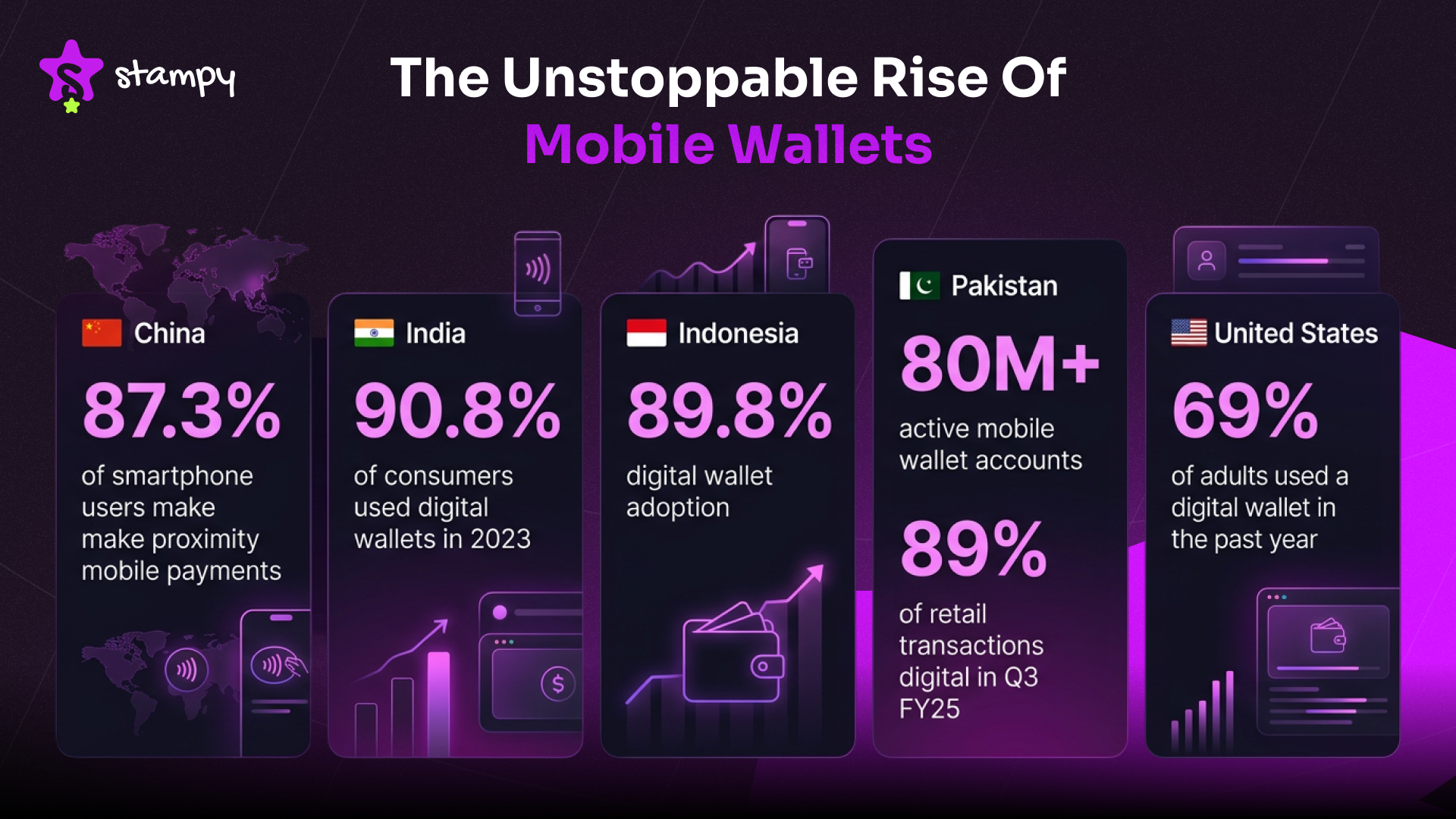
Mobile wallet adoption is rising rapidly across all major regions, especially among users under forty.
Benefits of a Digital Punch Card
A digital punch card keeps the simplicity of a traditional loyalty card while making the program easier to manage and track.
- Easier Customer Experience: Customers can access their loyalty card from their phone instead of carrying a physical card.
- Less Risk of Lost Cards: A digital card is stored electronically, so customers are less likely to lose their loyalty progress.
- Automatic Progress Tracking: Customers can see their punches and progress toward the next reward without relying on physical stamps.
- Better Customer Insights: Digital systems can give businesses information about customer visits, reward redemptions, and campaign performance.
- Easier Program Management: Businesses can manage rewards and loyalty campaigns digitally instead of printing cards and manually tracking participation.
- More Ways to Engage Customers: Depending on the platform, businesses can combine punch based rewards with notifications, offers, campaigns, and other loyalty features.
Digital Punch Card vs Paper Punch Card
Are digital punch cards better than paper? Mostly yes, but not for every business. Paper has one real advantage, and that is it needs no technology. A tiny street-side dhaba with cash-only customers and no smartphones at the counter will do fine with paper for now. If that describes your shop, save your money and keep stamping.
For everyone else, the math has tilted hard toward digital. Here is how the two compare on the things that actually matter.
Cost is the piece most owners underestimate. A small chain printing 5,000 cards every quarter spends real money on paper, ink, and design tweaks. A digital punch card app usually has a flat monthly fee. Factor in printing, lost-card complaints, and staff time spent explaining the program. Digital often comes out cheaper inside the first year.
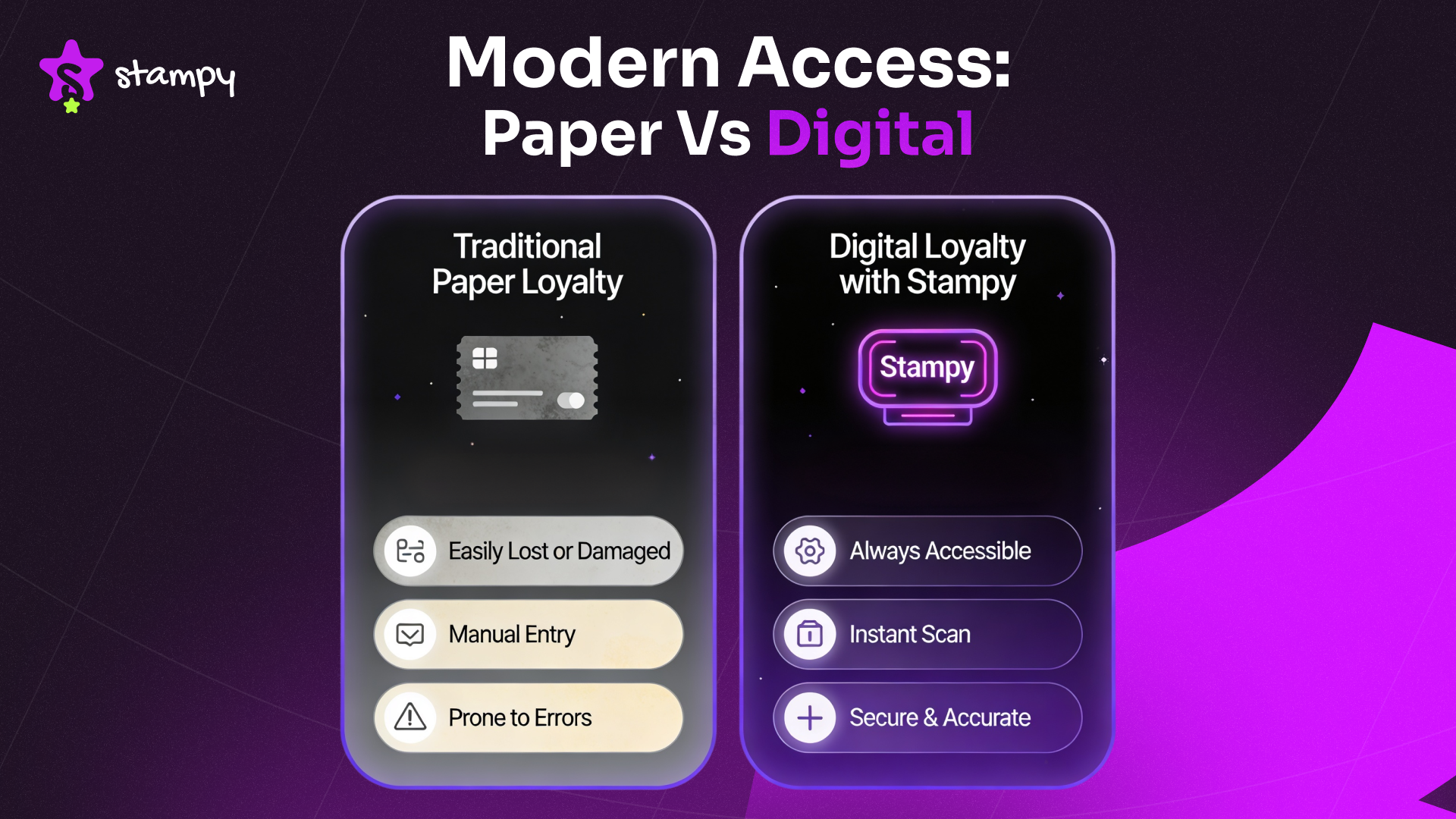
The data behind this shift is unambiguous. According to Emarsys research, 36% of consumers switch brands after a single bad mobile experience. Returning customers spend 67% more than first-time buyers. The global loyalty market is forecast to more than double to $18.2 billion by 2026, driven almost entirely by digital growth.
Paper is not dying tomorrow, and plastic is not gone next week. But the trajectory is settled, and businesses that wait too long will lose their younger customers first. For owners still weighing it up, this side-by-side comparison of paper and digital punch cards walks through every factor.
What’s the Difference Between a Punch Card and a Digital Rewards App?
The main difference between a punch card and a digital rewards app is how customers collect rewards and what the business can do with the loyalty program. A traditional punch card mainly tracks visits or purchases until a customer earns a reward. A digital rewards app can do this digitally while also supporting customer engagement, campaigns, reminders, and other loyalty features.
A punch card is usually built around a simple reward rule, such as “buy 9, get the 10th free.” A digital rewards app can offer the same punch card experience without requiring a paper card. Customers can collect digital stamps, check their progress, receive rewards, and stay connected with the business through their phone.
Feature | Punch Card | Digital Rewards App |
Reward tracking | Manual or digital | Digital |
Customer progress | Limited | Easy to track |
Customer engagement | Limited | Campaigns and notifications |
Customer data | Very limited | More customer insights |
Rewards | Simple | More flexible |
Loyalty features | Basic | Broader |
For businesses that only need a simple visit based reward, a punch card may be enough. A digital rewards app is better when you want to combine digital punch cards with other loyalty features and keep customers engaged between visits.
Digital Punch Card vs Stamp Card: Are They the Same Thing?
Yes. The two terms describe the same thing. Different platforms just picked different words.
Some apps call them stamps, and others call them punches. A few use "points" to sidestep the whole debate. The underlying mechanic is identical, and customers do not really care which one you use. "Stamp card" feels slightly more polished. "Punch card" feels slightly more retro. Beyond that, the difference is mostly branding. Pick whatever fits your shop and move on.
Do Digital Punch Cards Expire?
They can, or they do not have to. Most platforms let the business owner decide when setting up the campaign.
A one-off Eid or Christmas promotion probably needs an expiry date. Stamps that disappear two weeks after Eid create urgency and clean up your data afterwards. An ongoing loyalty program for regulars is usually better with no expiry. Regulars hate losing progress and will complain loudly.
The right answer depends on your customer base. A cafe with a steady weekly crowd almost always wants no expiry. A seasonal business or a flash promo benefits from a clear end date. Some businesses run both at once: a permanent core campaign with shorter seasonal ones layered on top.
This kind of flexibility is one of the bigger upgrades over paper. The paper had no expiry logic, which sounded good in theory. In practice, customers showed up two years later expecting a free coffee on a card that the business stopped printing.
Key Features to Look For in a Digital Punch Card App
Not all platforms are built the same, and the differences matter more than the marketing pages suggest. The customer side should be friction-free:
- Map-based store discovery so users can find nearby participating businesses
- Multiple signup options, including email, Apple, and Google login
- Instant QR scanning with no laggy delays at the counter
- Real-time progress updates so customers see stamps appear immediately
- Clean redemption flow that does not require staff to explain it
Slow scans create lines, and lines make customers stop using the system after a couple of frustrating visits.
The Bottom Line
The paper punch card had a good run. It is not going away tomorrow, and small dhabas will probably still use it ten years from now. But in any business serving smartphone-first customers, paper has aged badly.
A digital punch card gives customers something that lives in their phone, never gets lost, and tracks itself. It gives owners actual data about which campaigns work. It removes the printing costs, the fraud, and most of the hassle. Call it a virtual punch card, an e-punch card, a mobile punch card, or a punch card replacement. The benefits are the same.
If you have stamped paper cards for years, watch your younger customers' faces. If they look faintly amused when you hand them a card, that is your signal.
Frequently Asked Questions
How does a digital punch card work?
Customers get a unique QR code tied to their account. At checkout, the salesperson scans it, and stamps are added automatically based on the active campaign. Progress updates in real time, and redemption happens in the same app.
Are digital punch cards better than paper?
For most modern businesses, yes. Digital cards cannot get lost, block common fraud, and capture customer data that you can use. Paper still makes sense for a small cash-only shop, but anyone serving smartphone customers should consider switching.
What's the difference between a digital punch card and a stamp card?
Nothing meaningful. Both terms describe the same loyalty mechanic. Some apps prefer "stamps," some prefer "punches." Use whichever your customers naturally say at the counter.
How much does a digital punch card system cost for a small business?
It varies by platform, but most charge a predictable monthly subscription based on branches or active campaigns. Usually cheaper than printing thousands of paper cards every quarter, once you include lost-card replacements.