11 min read



Most businesses start a loyalty program with good intentions. The cards get printed, the staff get briefed, and for the first few weeks, customers seem interested. Then the cards get lost, stamps get skipped, and the whole thing quietly fades.
The concept isn't broken, but the delivery is. That's why digital loyalty cards for business are replacing paper programs, not because digital is trendy, but because paper keeps failing the same way for the same reasons.
What Are Digital Loyalty Cards?
A loyalty card is a simple idea: reward customers for coming back. Every visit earns something, and once they've earned enough, they get a reward worth having.
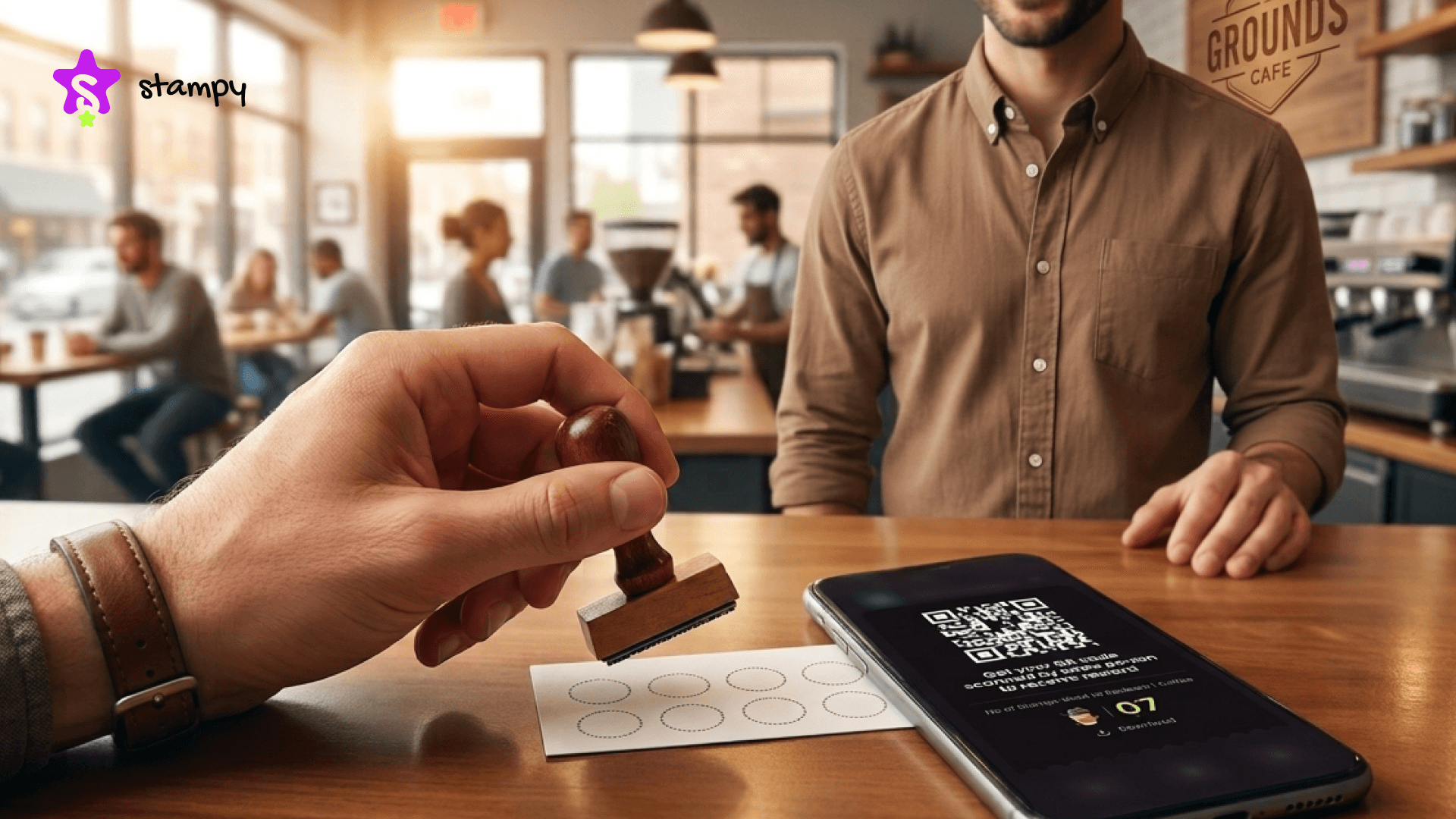
Traditional loyalty cards were physical; a small card in a wallet, stamped or punched by hand. They worked well enough, but had a persistent problem. Customers lost them, forgot them at home, or started over too many times and gave up. Meanwhile, the business learned almost nothing. You knew someone had visited, and that was it.
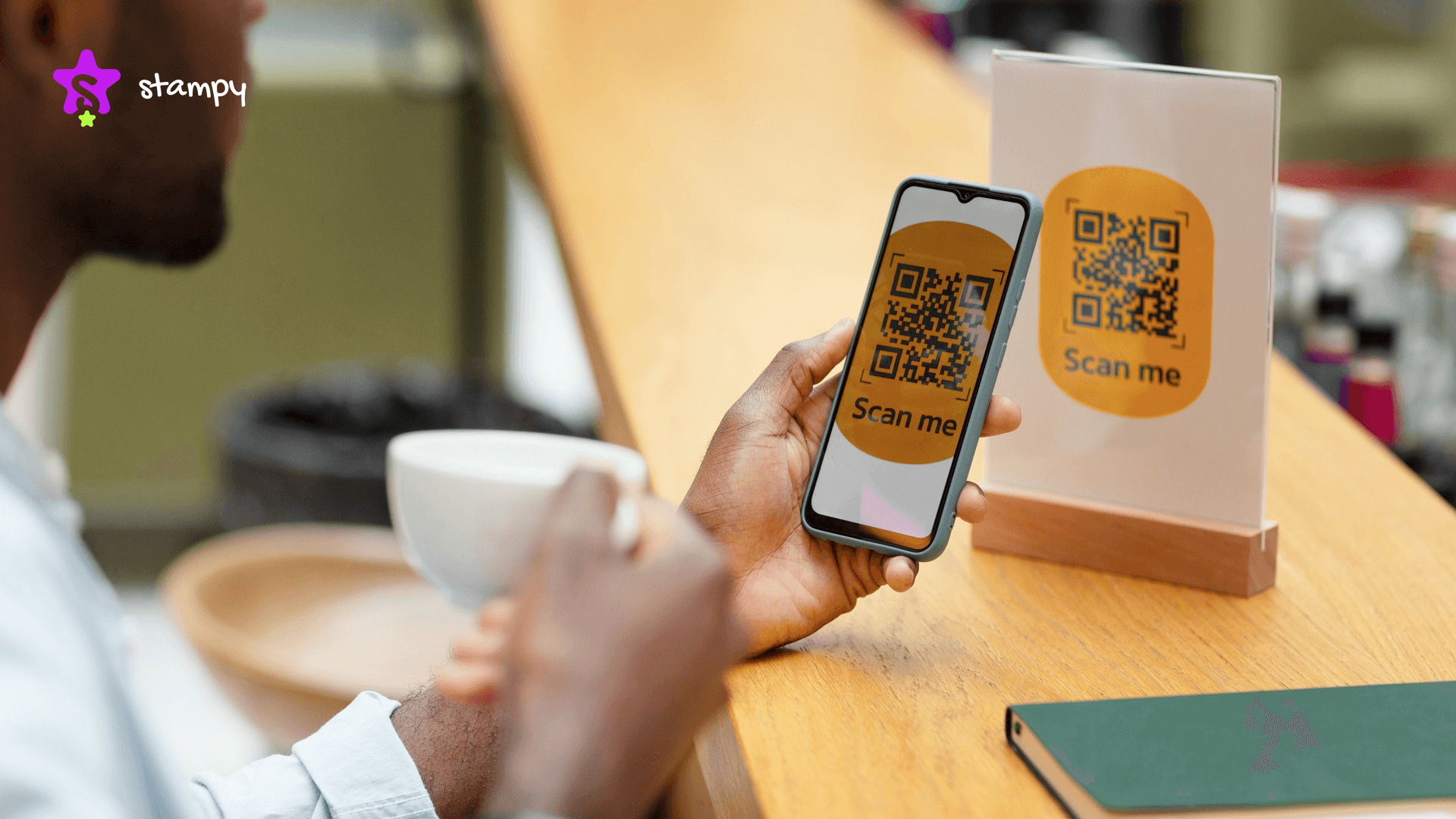
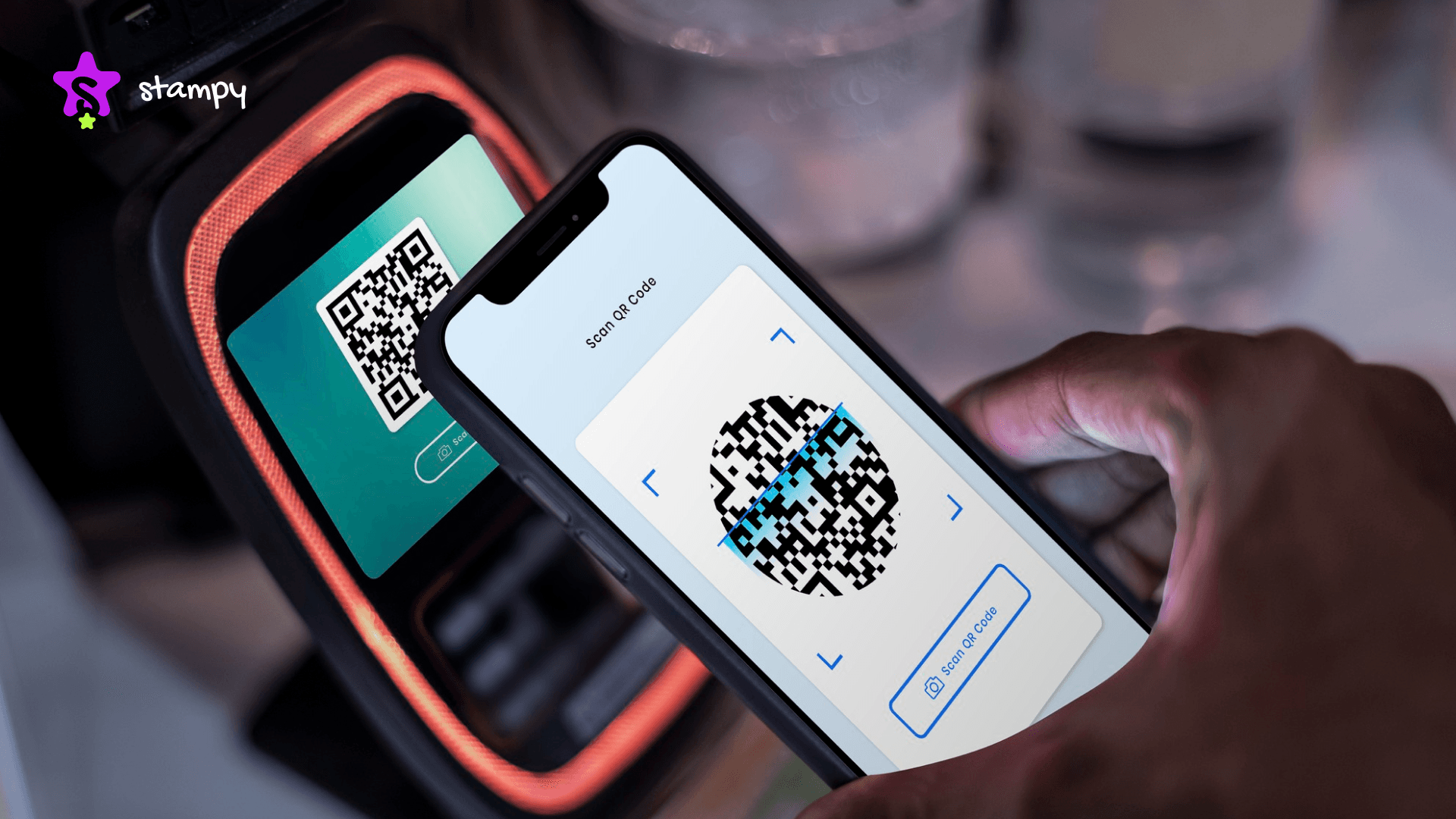
Digital loyalty cards run on the same logic but live in a smartphone instead of a wallet. Customers collect points or stamps through an app, a mobile wallet like Apple Pay or Google Wallet, or a simple text-based system. The rewards don't change, but the entire experience around them does.
If you want a closer look at how different loyalty card structures work across business types, check out our full guide to loyalty cards.
Why Are Businesses Choosing Digital Loyalty Cards?
The shift away from paper isn't about chasing technology. It's about fixing something that was already broken.
57% of customers prefer to engage with loyalty programs through mobile devices. That number has been climbing for years. Businesses still handing out paper cards are asking customers to carry an extra item in a world where people already have everything they need on their phones.
There's also a data gap that paper programs can't bridge, and a punch card only tells you someone came in. A digital program tells you who came in, what they ordered, how often they return, and which offers actually brought them back. That's a different category of information, and it changes how you run your marketing.
Competitive pressure plays a role, too. Large chains have had polished digital loyalty programs for years. And the cost of going digital has dropped enough that it's no longer a large-brand-only option. Platforms built for small and mid-size businesses have made setup accessible and pricing straightforward, which is why the switch is happening across independent businesses of all types right now.
What Are the Benefits of Digital Loyalty Cards?
Digital loyalty cards provide several advantages for both customers and businesses.
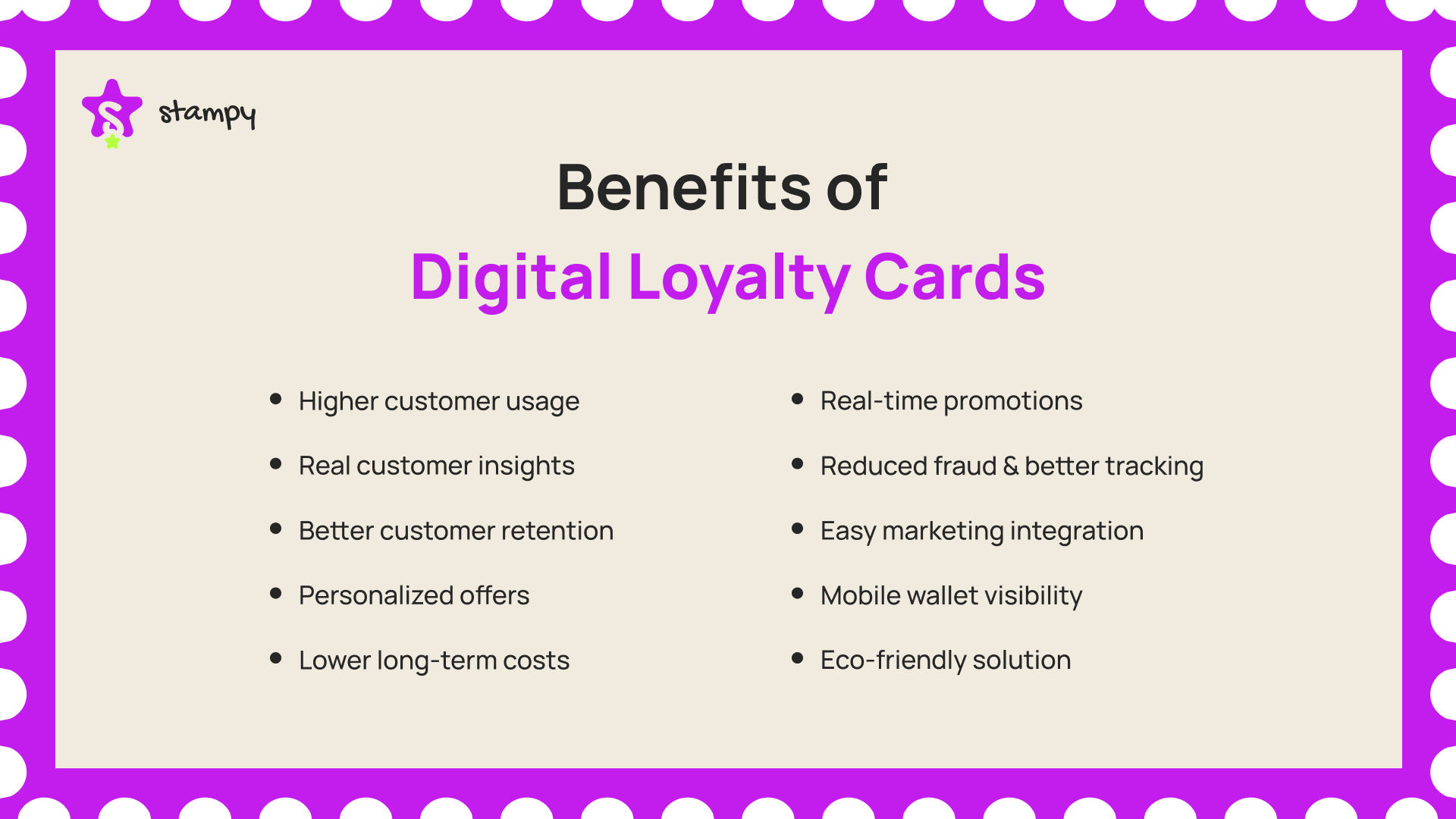
The benefits of the digital loyalty cards are mentioned below:
1. Customers Actually Use Them
The biggest failure of traditional loyalty programs isn't the concept. It's the friction; cards get lost, left at home, or abandoned after one too many fresh starts.
A digital loyalty card is always in the customer's pocket because their phone is. Redemption rates are consistently higher for digital programs than paper ones, not because the reward changed, but because the barrier to claiming it dropped to almost nothing.
2. Real Customer Data and Insights
Paper punch cards tell you someone visited, but the digital loyalty cards tell you who visited, what they bought, how frequently they return, which offers they respond to, and roughly when they start to drift.
That customer data is where the real value lives. You can identify your most loyal regulars and treat them like it. You can see which promotions actually shifted behaviour versus which ones looked good on paper. You can catch a lapsing customer two weeks before they stop coming in, rather than three months after.
Effective personalisation in a loyalty program leads to a 6.4 times increase in member satisfaction. That lift doesn't come from guessing; it comes from using customer insights to send messages that are actually relevant to the person receiving them.
3. Stronger Customer Retention
Keeping a customer costs less than finding a new one. That's not a new observation, but loyalty programs are one of the more consistent tools for making it happen, and digital versions outperform physical ones for most businesses.
When someone has points tied to your business, they have a concrete reason to return rather than try whoever's across the street. The pull of "I'm almost at my next reward" is real. Digital programs keep that incentive visible. Customers can check their progress any time, which means it stays in mind rather than sitting forgotten in a wallet.
Repeat customers also spend more per visit over time, try more of what you offer, and refer people. The ROI of loyalty builds in ways that new-customer acquisition tends not to.
4. Personalised Offers That Don't Get Ignored
Generic promotions work like billboards, and they have a broad reach, low relevance, and most people scroll past.
Digital loyalty cards let you segment customers by purchase history, visit frequency, or spend level and send offers that fit their actual behaviour. A customer who comes in three times a week doesn't need an incentive to visit. They might need a reason to spend more or try something new. A customer who went quiet two months ago needs something different entirely.
This is one of the clearest advantages of digital loyalty cards over paper. The paper can't be segmented, but the digital can, and through marketing automation, it does it without extra work from your team.
5. Lower Costs Over Time
Printing cards costs money, and replacing lost or worn-out ones costs more. Staff time spent manually punching and tracking adds up quietly. None of these is a big line item on their own, but they recur constantly.
Digital programs cut most of that out because there is no printing, no replacements, and no manual entry. The platform fee typically pays for itself within a few months when you factor in better retention and the savings from dropping print and admin overhead.
For small businesses watching margins closely, that shift matters more than it might look on paper.
6. Real-Time Promotions Without the Logistics
Changing a promotion in a paper-based system means reprinting materials, briefing staff, and hoping customers somehow get the message. Digital systems let you update offers the moment you decide on them. A slow Tuesday afternoon becomes a flash offer pushed to customers who haven't visited in two weeks. A seasonal campaign goes live the same day you plan it. A reward tier gets adjusted without touching a single physical card.
That speed matters in competitive markets where timing is part of what makes a promotion work.
7. Reduced Fraud and Accurate Tracking
Paper punch cards get faked, or stamps get added by mistake. None of this is catastrophic on its own, but it erodes the accuracy and real value of your program over time.
Digital systems log every transaction automatically, tied to a real purchase, timestamped, with no manual input required. There's no room for error and no ambiguity. For high-volume businesses, accurate tracking alone is often worth the switch.
8. Integration With the Rest of Your Marketing
A digital loyalty program doesn't have to run as its own isolated thing. Most platforms connect with point-of-sale software, email tools, and CRM systems, which means loyalty data feeds into your broader marketing rather than sitting separately from it.
A customer who hits a milestone gets an automated follow-up. Someone who hasn't visited in 30 days enters a re-engagement flow. Segments built from real purchase behaviour go straight into your next email campaign. Brand engagement improves because the messages people get are based on what they actually do, not on generic assumptions.
9. Passive Brand Visibility Through Mobile Wallets
A digital loyalty card sitting in a customer's mobile app is a quiet, recurring reminder that your business exists. They didn't ask to see it; they just opened their wallet, and there it is.
Some platforms also support push notifications, a message when a customer is near your location, or when their stamps are close to expiring.
A paper card in a junk drawer provides none of this; once it's out of sight, it's gone.
10. Better for the Environment
Most businesses don't realise how much waste a paper loyalty program generates. Cards that get printed and never used. Cards that get replaced because they wear out. Seasonal materials that change and go straight to recycling.
Going digital removes most of that; the environmental benefit is real, and it's increasingly something customers pay attention to. For businesses that care about sustainability, it's a natural fit.
Why Should Small Businesses Use Digital Loyalty Cards?
Small businesses often assume digital loyalty programs are built for brands with dedicated marketing teams and large budgets. That assumption is backwards.
Large chains already have loyal customers, internal CRM systems, and staff to manage them. Small businesses are competing against those chains for the same foot traffic, usually with fewer resources. A digital loyalty program helps close part of that gap.
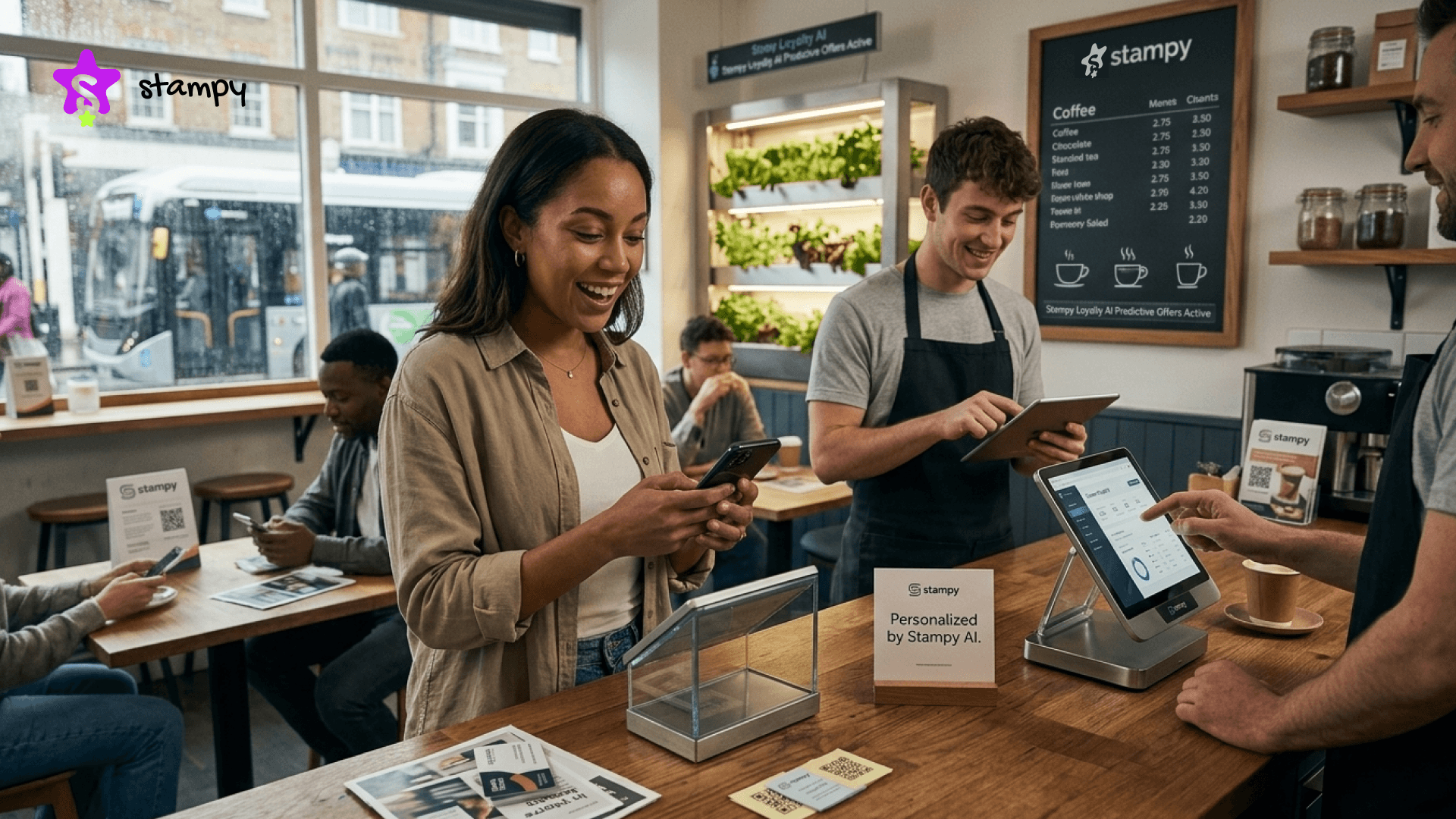
Small business loyalty cards give independent operators something large brands already take for granted: a clear picture of who their best customers are, a direct line to communicate with them, and a specific reason for those customers to come back rather than try the chain down the road. Platforms like Stampy are built for exactly this, with straightforward setup and pricing that make sense for businesses that aren't running at enterprise scale.
How Do Digital Loyalty Cards Help Small Businesses Grow?
Growth from a loyalty program is usually incremental rather than dramatic, and that's the honest version.
Repeat customers spend more per visit than new ones, try more of what you offer, and refer people they know. They're also more forgiving when something goes wrong, which matters for small businesses where a bad review can do real damage. A digital loyalty program keeps your business in mind and gives people an ongoing reason to return.
Do Loyalty Cards Increase Sales?
They do, though not in the way most people initially expect.

Loyalty cards don't generate new customers on their own. What they do is increase how often existing customers come back and how much they spend when they do. A customer working toward a reward visits more frequently and tends to spend slightly over the threshold needed to qualify. When they redeem a reward, they often spend beyond its face value.
85% of consumers prefer businesses that offer a rewards system. That preference influences who people choose when they have options. The sales impact is real. It just comes from depth with existing customers rather than from broadening your reach.
What ROI Do Loyalty Programs Deliver?
ROI varies depending on the industry, the program design, and whether anyone is actually paying attention to the data. But across business types, the numbers trend consistently positive.
Retained customers cost less to serve, buy more often, spend more per transaction, and refer others. A 5% improvement in customer retention can increase profits by 25% to 95%, depending on your margins. A digital program that moves retention even slightly in the right direction typically pays for itself within a few months.
The full picture of why digital loyalty cards are worth it comes down to compounding. Small improvements in retention, average spend, and visit frequency add up to meaningful revenue over time without requiring a proportional increase in marketing spend.
Frequently Asked Questions
What is a digital loyalty card for business?
A digital loyalty card is the smartphone version of a traditional punch or stamp card. Customers earn points or stamps through purchases, tracked automatically through an app or mobile wallet. Businesses get real-time data on purchases, visit frequency, and how often rewards get redeemed.
Are digital loyalty programs expensive to set up?
No, the digital loyalty programs are not expensive to set up. Entry-level platforms are affordable for small businesses, and most are priced monthly at a scale that makes sense for smaller operations. The cost is usually recovered quickly through improved retention and savings on printed materials.
What makes digital loyalty cards better than paper ones?
Convenience, data, and flexibility. Digital cards are always with the customer, never get lost, track every transaction without manual input, and allow businesses to send personalised offers based on actual purchase behaviour. Paper programs can't do any of this.
Can small businesses compete with larger chains using digital loyalty?
Yes, and that's one of the underrated points. Platforms like Stampy give small businesses the same core capabilities that large chains use: customer data, segmented communications, and marketing automation. The competitive gap narrows considerably.
What happens if a customer loses their phone?
Their account is tied to their email or phone number, not the device itself. They can log in on a new phone without losing any progress. A paper card offers no equivalent recovery.