17 min read





Key Takeaways
- Build packages around customers’ schedules and the services they already choose.
- Explain the complete appointment length, price, and inclusions before booking.
- Offer express services only where the work can be completed properly within the advertised time.
- Use after-work availability and quieter-hour offers according to your salon’s actual capacity.
- Keep packages, recurring memberships, and loyalty rewards clearly defined.
- Measure completed return visits and service costs alongside package sales.
For a working customer, booking a salon visit often starts with the calendar. Can she fit a blow-dry between appointments? Is there an evening slot for her haircut? Will a colour service take most of Saturday?
A package can make those decisions easier, but only when the details are clear. “Cut and colour from $90” leaves plenty unanswered if the client cannot see whether a finish is included, what might increase the price, or when she can expect to leave. An attractive offer can still result in a postponed booking.
Useful hair salon packages for working women address that uncertainty. They combine suitable services, give customers realistic appointment times, and make routine maintenance easier to plan. Selected booking benefits and a hair salon loyalty program can then give regular clients additional value.
The following ideas show how to build offers around working customers’ needs while keeping the service manageable and worthwhile for your salon. The sample packages are starting points to adapt, rather than fixed menus or guaranteed results.
What Busy Working Women Actually Want From a Salon Offer
Working customers have different schedules, budgets, and preferences. Before creating a package, ask what makes their appointments difficult to arrange. Their answers can help you decide whether to focus on shorter visits, clearer prices, or more convenient availability.
A Visit That Fits the Available Time
Some customers want a short appointment. Others prefer combining several services into one longer visit to avoid returning on another day. In both cases, explain what they receive and how long to allow, basing estimates on the full appointment, including consultation, preparation, finishing, and checkout.
Straightforward Maintenance
A client may want to maintain an existing cut or colour rather than consider a new look at every visit. Clearly described maintenance services can help her select the right appointment. Keep recommendations individual: a toner, treatment, or root service should follow the client’s needs, not simply fill out a package.
Predictable Costs
Customers should know what they are committing to before they sit down. State what is included, explain possible supplements, and confirm variable prices before the appointment. If additional work becomes necessary, discuss it before proceeding.
Suitable Appointment Times
Early mornings, selected evenings, and weekday appointments can serve different groups of working clients. Choose availability your team can reliably provide. A dependable Thursday evening slot is more useful than extended hours that frequently change or run late.
Continuity Between Visits
Returning clients should not need to explain their preferences from the beginning every time. Accurate service notes, clear maintenance advice, and appropriate rewards can make the next appointment easier to arrange and help staff prepare for the service.
1. Express Workday Hair Refresh Package
A defined wash-and-style service can suit clients who want a professional finish before an event, meeting, or evening out. Keep the package focused: it might include a wash, condition, and blow-dry with an agreed finish, while more detailed styling has its own booking allowance.
An illustrative offer could be:
Workday Refresh: Three wash-and-blow-dry visits, with one selected conditioning upgrade during the package.
Explain whether the upgrade adds time and when it can be used. Confirm the appointment length according to the client’s hair and requested result, rather than assigning the same time slot to everyone. Avoid calling the service “express” if appointments regularly exceed the advertised window.
This package is worth considering for clients who already book styling services regularly. Occasional visitors should still have a straightforward single-appointment option, so they can choose the service without committing to several visits.
2. Lunch-Break Root Refresh
A focused root-maintenance service may suit some clients with limited daytime availability, but it needs careful screening and an honest time estimate. Define exactly what the service covers. A limited root touch-up is different from a full colour change, correction, or appointment involving several additional services.

Express colour products do exist. Wella markets Color Xpress with a 10-minute development time for specified grey-root touch-up use. Development time is only one part of the visit: consultation, application, rinsing, finishing, and checkout still need to be allowed for. See Wella’s Color Xpress information.
Follow the manufacturer’s instructions, including required testing and preparation, without shortening those steps to fit a lunch break. Make the booking description clear about eligibility and timing:
“A focused root refresh for eligible clients, with your service, finish, and total appointment time confirmed before booking.”
Only describe it as a lunch-break service when the complete visit fits the client’s available time, including travel.
3. Monthly Blow-Dry Package
A monthly blow-dry package is easy to explain because the customer is buying a familiar service at a defined frequency. You can offer a small number of options based on how often clients already visit:
Plan | Illustrative inclusion | Who it may suit |
Twice-Monthly Styling | Two blow-dries during the stated period | Clients who want occasional regular styling |
Four-Visit Styling | Four blow-dries during the stated period | Clients who already book more frequently |
These structures have real-world counterparts. The Blowout Blowdry Bar, for example, advertises a recurring membership with two monthly blowouts and selected benefits. That demonstrates one way to organise the service; it does not establish the right price or terms for another salon.
Keep your own offer commercially manageable by calculating the cost of every included service before adding treatments, product discounts, or styling extras. Explain whether clients buy the package once or enter a recurring membership, along with what happens to unused visits and how appointments are booked.
Four monthly visits should not be described as unlimited weekly access. Some months and customer schedules require different arrangements, so make the allowance clear before purchase.
4. Colour Maintenance Package
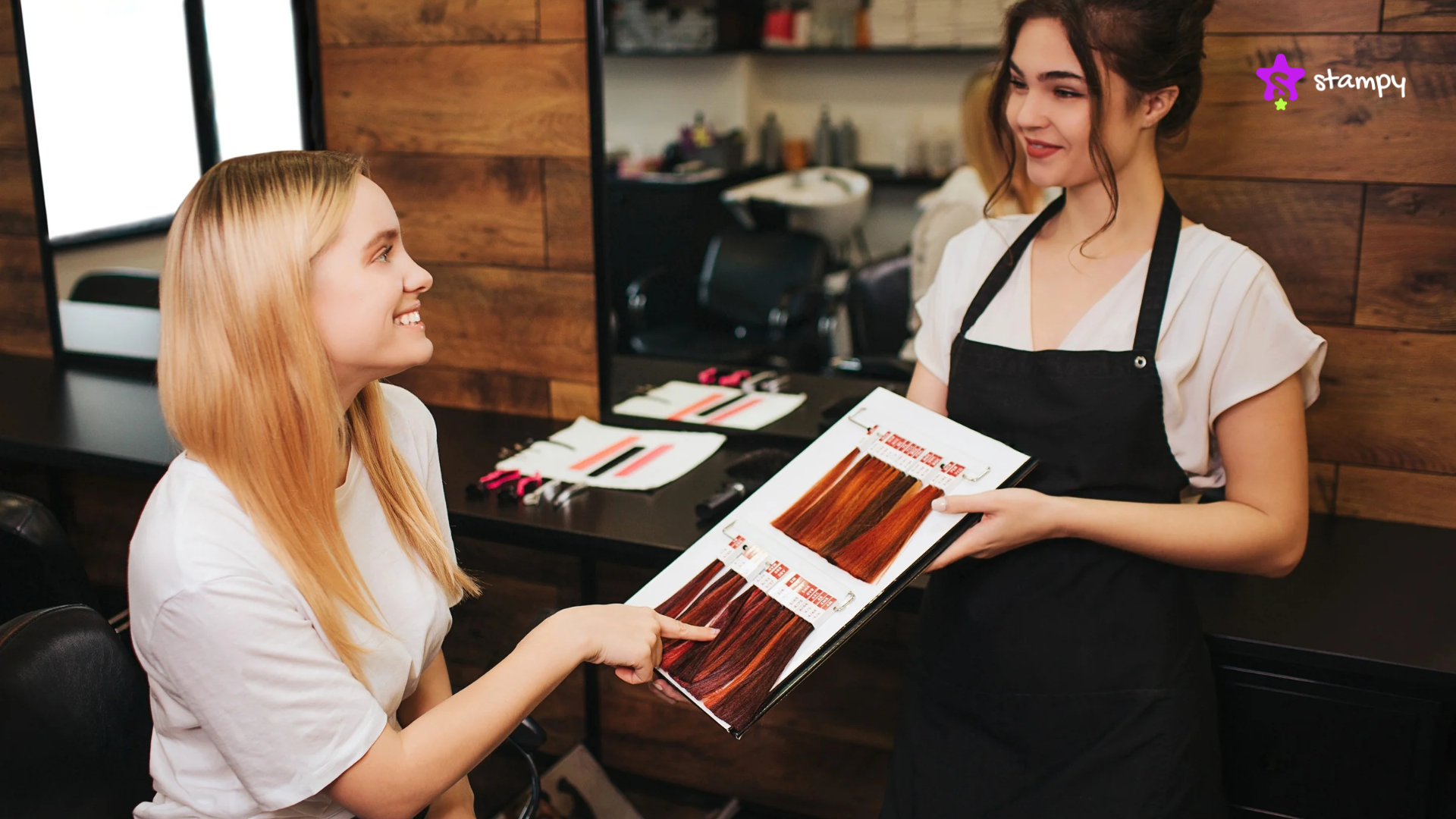
A colour maintenance package can help established clients plan a sequence of suitable appointments. For example, a salon could offer three agreed root-maintenance visits with one selected treatment upgrade. Another client may need a different combination based on her colour history and the stylist’s assessment.
Build the package after consultation rather than asking every colour client to buy the same services. Make clear:
- Which colour work is included.
- Whether finishing is included at each visit.
- How additional product or services are priced.
- When a fresh consultation is required.
- What happens if the client wants a substantial change.
The package should reduce repeated booking decisions without locking someone into unsuitable work. If the client’s needs change, explain the available options before using the remaining services. Choose an expiry period that gives her a realistic opportunity to follow the agreed maintenance schedule.
5. After-Work Salon Offer
For clients with fixed daytime hours, access to an evening appointment may be the most useful benefit. Start with selected services on evenings your salon can support. A Tuesday cut-and-finish slot or an after-work blow-dry may be easier to manage than offering the entire menu until closing.
An illustrative promotion could read:
Tuesday After-Work Appointments: Selected cut-and-finish and blow-dry bookings available. View prices and appointment times before reserving your visit.
If those appointments already fill, there may be no reason to discount them.
Where you have spare capacity, test a modest included benefit and review its full cost. An extra treatment uses product and time even when it is described as complimentary. Set the final starting time according to the complete service and allow for cleanup, so the offer does not depend on staff regularly working beyond the planned day.
6. Quiet-Hour Loyalty Bonus for Flexible Professionals
Some clients have days off during the week, rotating shifts, or flexibility in their working hours. A quiet-hour reward can give them a reason to choose appointments your salon needs to fill. For example:
“Complete an eligible appointment Tuesday to Thursday before 3 p.m. and earn one extra loyalty stamp.”
Use the days and times supported by your own booking patterns. A broad weekday promotion may unnecessarily reward appointments that already sell well. Confirm how staff will issue and record the bonus, and check that your chosen loyalty setup can apply the specific earning rules before advertising them.
Working remotely does not automatically make someone available during business hours. Share the offer with clients interested in daytime bookings rather than assuming flexibility. Then review whether it creates additional completed visits or mainly moves existing appointments; moving demand can be useful, but it is a different result.
7. Workweek Hair Maintenance Package
A broader maintenance package can suit clients who already use several services and want fewer separate booking decisions. An illustrative combination might include:
- One haircut or trim.
- Two blow-dries.
- One suitable conditioning treatment.
These services do not all need to happen together or within a single calendar month. Agree on a period that fits the client’s routine, and explain which services can share an appointment. If the treatment is used during a haircut visit, allow the extra time in the diary.
Give the package a descriptive name, such as Workweek Hair Plan or Cut and Styling Package. Customers should understand the difference between offers without asking reception to translate “Gold” and “Platinum.” Keep a standalone option for clients who do not need every inclusion, since a bundle has little value when they pay for services they are unlikely to use.
8. Priority Booking for Regular Clients
Some regular clients may value earlier access to suitable appointments more than another discount. You could offer a defined booking window for selected evening or weekend slots before releasing them more widely. Make the benefit specific:
“Participating regular clients receive a two-day booking window for selected evening appointments before those slots are released.”

Before introducing this benefit, decide how much capacity you can reserve and how clients will receive access. Explain the booking deadline and what happens to unclaimed slots, without suggesting that priority access guarantees any appointment a client wants.
Monitor whether members can actually use the benefit. Taking payment for access while leaving clients unable to find suitable appointments will undermine the offer, even if the terms technically allow it.
9. Bring-a-Colleague or Refer-a-Friend Offer
A client who is happy with her salon experience may recommend it when a colleague asks where she goes. Give that introduction a clear, manageable reward tied to a completed appointment:
“Refer a new client who completes an eligible appointment, and you both receive a bonus stamp.”
Define whether “new” means new to the salon or simply new to the loyalty program. If the purpose is customer acquisition, those are different groups. Use a simple referral record and explain when the reward is issued, rather than rewarding an inquiry or a booking that is later cancelled.
If the reward is a treatment upgrade or styling add-on, schedule it for an appointment with enough time available. Calculate its cost rather than assuming it will be cheaper than a cash discount. Track whether referred clients return after their first appointment to distinguish a successful introduction from a lasting customer relationship.
10. Regular Client Rewards Based on Their Hair Routine
A useful reward reflects how a client already uses the salon. Previous appointments and stated preferences can help you choose an appropriate benefit or message:
Client pattern | Reward or message to consider |
Regular blow-dry appointments | Progress towards a selected treatment or take-home item |
Established colour maintenance | A relevant reward agreed around the client’s service needs |
Longer gaps than usual between visits | A helpful return message with suitable availability |
Close to an earned reward | An accurate progress reminder with redemption instructions |
Avoid treating every gap as a problem. A client may be following a longer maintenance interval, growing out a style, or changing how often she wants salon services. Where a reminder is appropriate, keep it useful:
“You have one eligible visit left before your reward. You can check your progress and the reward details before your next appointment.”
Check the balance before sending. Stampy’s customer insights and campaign tools can help salons use loyalty activity to plan more relevant communication, while consultation and appointment notes should guide service recommendations.
Packages, Memberships, and Loyalty Rewards Are Not the Same
These offers can work together, but customers should understand what they are buying or joining. The distinction affects payment, commitment, and how they receive the benefit.
Model | How it works | Example |
Package | The client buys a defined set of services | Five blow-dries purchased together |
Membership | The client pays on a recurring schedule for stated services or benefits | A monthly fee covering two blow-dries |
Loyalty program | The client earns rewards through eligible activity | Stamps from completed appointments leading to a reward |
A package may suit someone who wants a limited commitment. A membership needs a regular enough usage pattern to justify recurring payments, while loyalty can recognise returning customers without requiring either purchase.
Use your appointment system for bookings and appropriate tools for package balances or recurring billing. Stampy’s documented salon role is digital loyalty and campaigns; do not assume it replaces appointment scheduling or membership billing software. Explore Stampy’s salon loyalty offering.
Do Not Build Every Package Around Discounts
Price matters, but it is only one part of the offer. A clear total price, convenient appointment block, useful reward, or specific booking benefit may solve a problem a percentage discount leaves untouched.

Before adding an incentive, calculate its cost. Extra stamps create a future reward obligation, a complimentary treatment uses product and appointment time, and priority access reserves capacity that other clients might book. Consider whether those costs support the outcome you want.
Ask whether the offer fills unused time, attracts a suitable new client, or strengthens an existing relationship. If it simply reduces the price of an appointment likely to happen anyway, reconsider the terms. A smaller offer your salon can deliver consistently is easier to sustain than an ambitious bundle full of extras.
Use Packages to Create a Repeat Salon Routine
A package should help the client understand what comes next. After the service, discuss the likely maintenance needs and ask whether she prefers to book ahead. Explain how any remaining package services or rewards fit that plan, keeping the next appointment appropriate to her needs.
Do not create extra maintenance visits simply to accelerate loyalty progress.
Stampy’s guide to why client retention matters for hair salons identifies the second completed appointment as an early retention milestone. It also distinguishes a rebooking from a return visit that actually happens.
Use that distinction when reviewing a package. Track completed appointments, service time, reward costs, and whether clients return after the package ends. Sales alone cannot tell you whether the offer is building a sustainable relationship.
Promote Different Offers to Different Working Clients
Advertising all ten ideas to every customer makes it harder to find the relevant one. Use stated preferences and previous activity to choose what to share, rather than assuming that everyone with a similar working schedule wants the same service.
Client need or behaviour | Relevant offer |
Prefers appointments before work | A suitable early styling slot |
Has a limited daytime window | A service with a confirmed total duration |
Has requested weekday availability | A quiet-hour offer |
Regularly maintains an established colour | A suitable colour maintenance package |
Frequently books blow-dries | A repeat styling package |
Has missed her usual visiting pattern | A relevant return message |
Use channels clients have opted into, and make it easy to stop receiving promotions. Link directly to the relevant booking or information page, with the service, availability, price information, and next step clearly shown.
For someone who has stopped visiting, consider whether anything needs addressing before sending an offer. A discount will not resolve an unacknowledged service problem, so review any previous feedback before choosing the message.
How Digital Loyalty Can Support Salon Packages
Packages help clients choose services together, while loyalty rewards can recognise their continued relationship with the salon. Possible ways to combine them include:
- A modest joining bonus when an eligible package is purchased.
- Extra progress for completing a package appointment during a selected quiet period.
- Rewards earned on suitable maintenance visits between larger services.
- Campaigns introducing relevant offers to existing clients.
Define the earning rules first. If a client buys a package and then uses its appointments, explain whether stamps are issued at purchase, at each completed visit, or through a deliberately costed combination. Clear rules help staff avoid accidental double rewards.
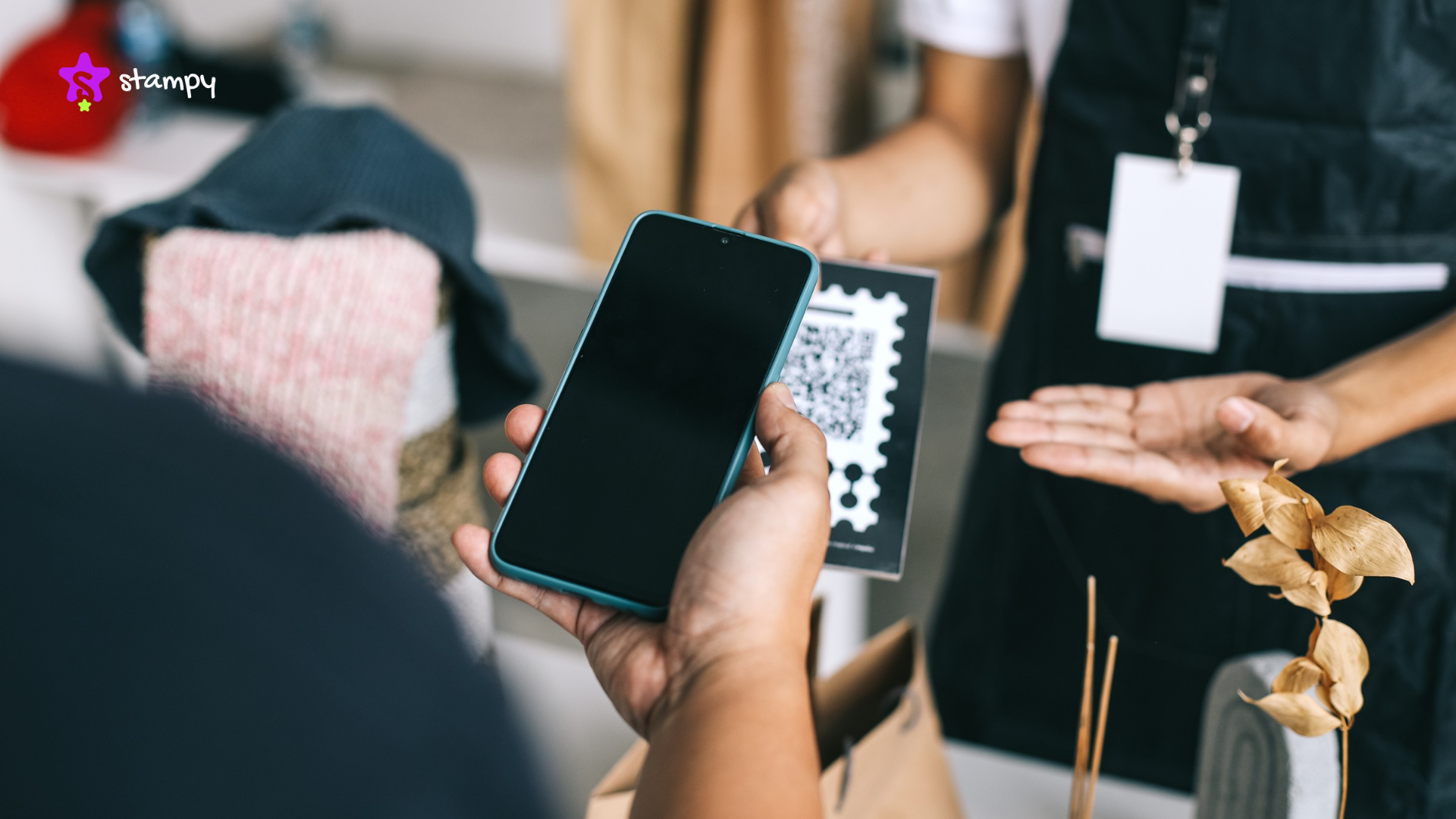
Stampy’s hair salon loyalty program lets salons set stamp targets and rewards. After eligible appointments, staff scan the client’s QR code to add stamps, and clients can view their progress in the app.
Check the campaign settings available to your salon before advertising special bonuses. Keep package usage and payment records accurate in the systems responsible for them, so staff can explain both the remaining services and the loyalty balance when a client asks.
Keep Packages Simple to Understand
Every offer should answer four questions without requiring a call to reception:
Customer question | What the offer should explain |
What do I get? | Included services and optional extras |
How much time should I allow? | The total appointment estimate or how it will be confirmed |
What will it cost? | The price and circumstances that may change it |
When can I use it? | Eligible days, appointment availability, and the period for using services |
Also explain cancellation, transferability, unused visits, rollover, and exclusions where relevant. Confirm any supplements for additional time or product before the customer commits, rather than leaving staff to introduce them at checkout.
Give staff the same written information customers see. If reception repeatedly has to explain one condition, make that condition clearer on the booking page.
Conclusion
Useful salon packages fit the way clients live and the way your salon works. Express styling, repeat blow-dry plans, colour maintenance, and selected evening appointments each address a different need. Start with a small number of clearly defined offers, check the time and cost of delivering them, and follow customer feedback and completed return visits before expanding.
Explore Stampy’s hair salon loyalty program to add digital rewards and relevant campaigns to your regular-client experience.
Frequently Asked Questions
What are the best hair salon packages for busy working women?
The most useful options address a specific need: predictable styling appointments, suitable colour maintenance, convenient evening slots, or combined services that reduce separate trips. Choose according to customer demand and salon capacity.
What services should be included in a monthly hair package?
Include services the client already uses at that frequency, such as regular blow-dries. A haircut, treatment, or colour service should follow individual needs rather than be added automatically every month.
Are blow-dry packages profitable for hair salons?
They can be, but profitability depends on pricing, service duration, staffing, product costs, and how appointments affect existing demand. Calculate the cost assuming customers use all included visits.
What salon offers work well for working professionals?
Clearly timed services, repeat maintenance packages, selected after-work appointments, and relevant loyalty rewards are options to test. The offer needs to fit the client’s actual availability.
Should salons offer lunch-break or after-work appointments?
Offer them when the complete service and staffing arrangements support the promise. A product’s processing time is not the total appointment time, and evening services need realistic finishing times.
What is the difference between a salon package and a membership?
A package generally covers a defined set of purchased services. A membership usually involves recurring payments for stated services or benefits. Explain renewal and cancellation terms clearly.
What is the difference between a membership and a loyalty program?
Membership benefits are linked to the membership agreement and payments. Loyalty rewards are earned through eligible customer activity, such as completed appointments, without necessarily requiring a subscription.
How can salons promote packages without offering large discounts?
Emphasise clear pricing, suitable appointment times, convenient service combinations, and affordable rewards. Choose benefits that address customer needs and that your salon can reliably deliver.
Can loyalty rewards be used alongside salon packages?
Yes, where the program permits it. Explain when stamps are earned, whether offers can be combined, and how rewards affect package visits so customers and staff understand the same rules.
How can salons encourage working clients to return more often?
Make the next appropriate appointment easy to arrange, provide consistent service, and send relevant reminders. Encourage return visits at a suitable interval rather than pushing unnecessary services.
What are good loyalty rewards for regular hair salon clients?
Selected take-home products, suitable treatment upgrades, and other clearly defined benefits can work. Choose rewards clients value and account for their full cost, including any additional appointment time.