13 min read



Key Takeaways
- A first appointment has limited value if the client never comes back for another visit.
- Repeat clients create value across many appointments, so each one is worth far more than a single sale.
- Strong retention makes your appointment book easier to forecast and takes the pressure off empty chairs.
- The second appointment is an early signal that a first-time guest may become a regular.
- Repeat visits bring more chances for add-on services, retail sales, referrals, and lasting loyalty from your clients.
Owners should track retention, first-to-second visit rate, rebooking, visit frequency, and client lifetime value as separate numbers.
Your salon may be fully booked this Friday, but how many of those clients will return next month? If most people visit only once, you have to keep finding new clients to fill your appointment book. That takes time and makes your income harder to predict.
This is why client retention matters for hair salons. When clients return for regular haircuts, colouring, and treatments, you build a steady flow of bookings without always chasing new customers. Happy clients may also recommend your salon to friends and family, bringing in new business through word of mouth. Instead of focusing only on how many new faces walk through the door, pay attention to how many choose to come back.
Why Retention Matters to Salon Revenue
Client retention has a direct impact on salon revenue. A first-time client brings in money from one appointment, but someone who returns regularly contributes across multiple visits. Over time, those repeat bookings can provide a more consistent source of income and reduce how much the salon depends on attracting new customers.
A regular client might return for haircuts, colour touch-ups, treatments, styling, or even retail products. Each visit adds to the revenue that client brings to your salon. This is why their long-term value matters more than the amount they spend during a single appointment.
The Second Appointment Is the First Retention Milestone
Getting someone through the door for their first appointment is only the beginning. When they return for a second visit, it suggests they were happy enough with the experience to choose your salon again. That second completed appointment is an important early step toward building a regular client relationship.
Think of it as a simple journey: first appointment, second appointment, regular booking cycle, then long-term client.
Rebooking is not the same thing as retention, and the difference matters when you read your numbers. A client can reserve another slot and then cancel it later, or simply never show up.
Rebooking is an early signal, while completed repeat visits are the outcome that truly matters.
If you want a deeper plan, read this guide to turn first-time customers into regulars.
Repeat Salon Clients Create a More Predictable Appointment Book
Some weeks feel calm because most of your chairs are already booked by people who know you. That is what happens when more of your diary comes from clients who keep coming back.
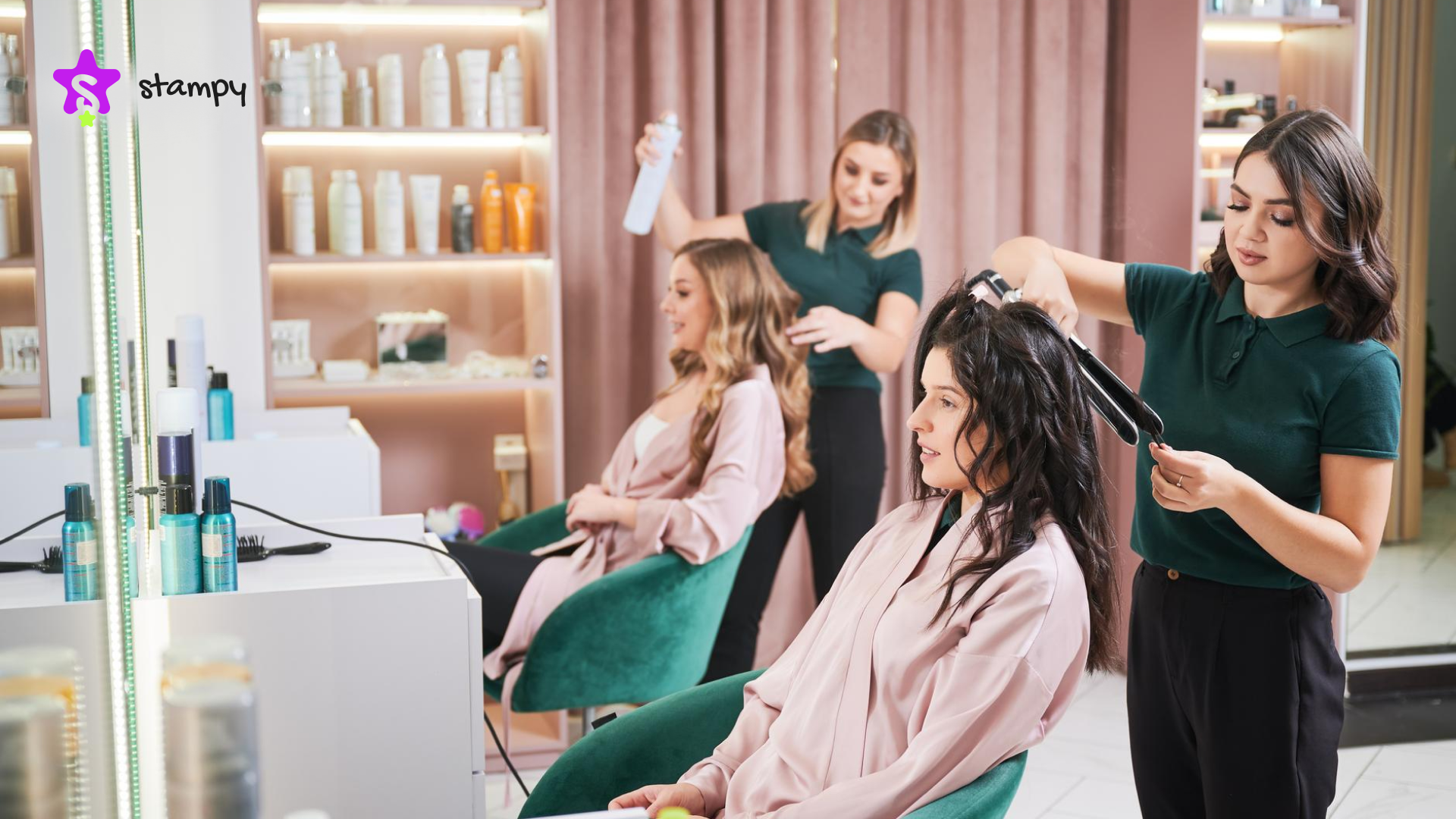
Advance Bookings: More appointments are already booked ahead of time, so you can see future chair time.
Easier Staffing: Clear bookings make rota decisions easier because you know roughly how busy each week will be.
Quiet Weeks: You can spot slow weeks early and act before empty chairs start costing you money.
Less Panic: You depend less on last-minute new bookings to fill the gaps left in your diary.
Retention turns part of tomorrow’s appointment book from a hope into a relationship the salon can actively maintain. That does not guarantee a full calendar, but it gives you a far steadier base to build on. A loyalty program for hair salons can support this by giving regular clients an added reason to book their next visit.
Salon Client Lifetime Value Grows With Every Repeat Visit
The idea behind lifetime value is simple, and you only need basic maths to understand it.
Annual client value is roughly your average appointment value multiplied by the visits per year. Lifetime value grows as visit frequency rises and as the relationship lasts for more years.
Here is an example only, not a salon benchmark: a client spends $100 per visit and comes six times yearly. That adds up to $600 in annual service revenue, calculated as $100 multiplied by six visits.
If that client stays for four years, the total reaches $2,400 before retail, extra services, or referrals. Losing a regular does not only cost you their next visit but every visit that would follow. That is why salon repeat business deserves as much attention as any new advertising campaign.
Repeat Visits Create More Opportunities Beyond the Core Service
Repeat clients do not automatically spend more every time they visit, and that is perfectly fine for most salons. What changes is the number of visits, because each one gives you another chance to help. Used with care, those chances can grow the relationship without ever making the client feel pushed into buying.
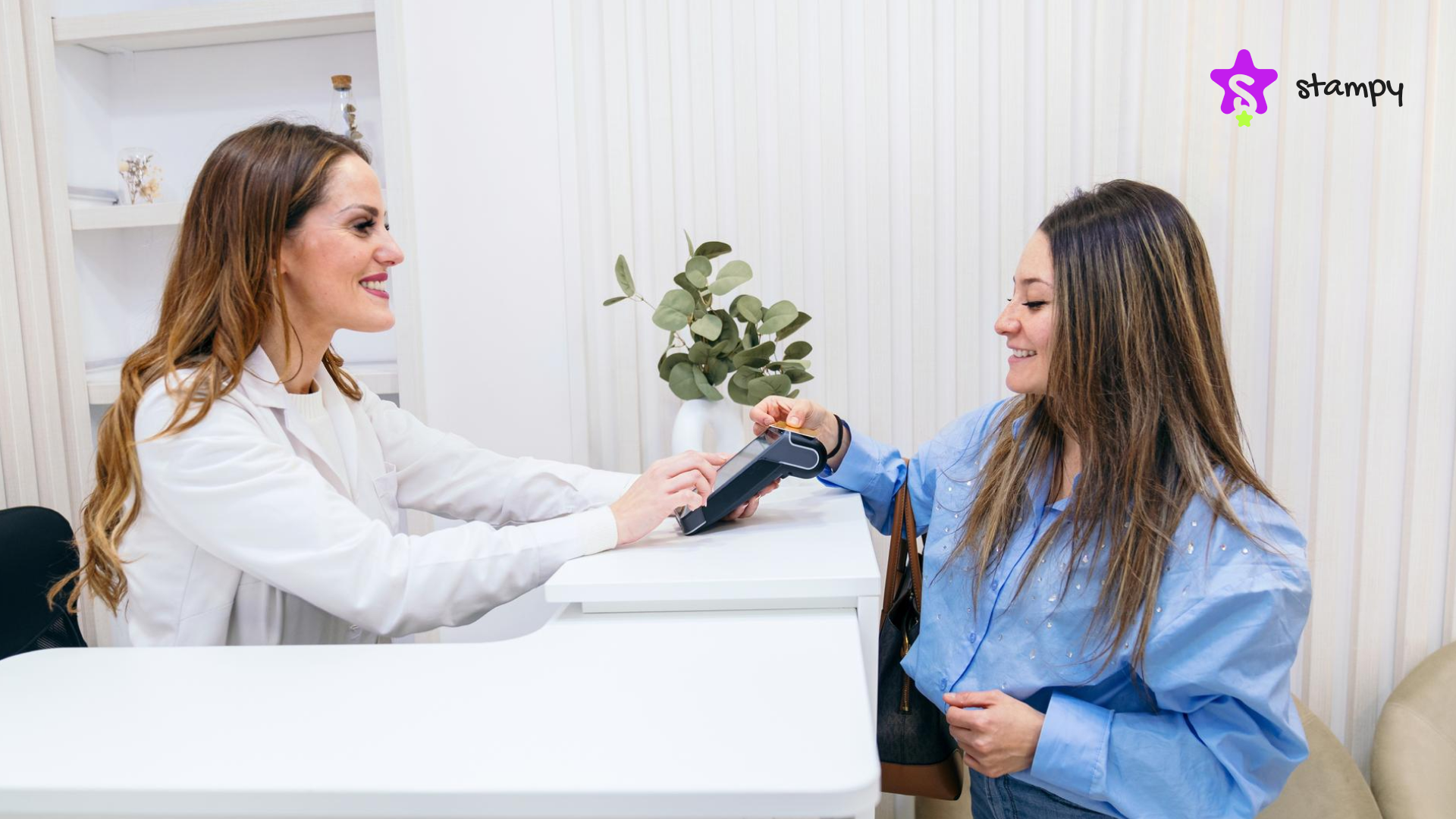
Add-On Services
Conditioning treatments, gloss, scalp care, and styling upgrades can suit a client who already trusts your work. A short suggestion during the visit often feels like helpful advice rather than a sales pitch.
Retail Products
Once trust is in place, clients are often more open to products that keep their hair healthy between visits. Recommend only what suits their hair type, and clients will notice that you are thinking about them.
New Services
A regular haircut client may one day try colour, a treatment, or another service you offer. Mention the idea when it fits their hair goals, and let them decide in their own time.
Repeat visits create more opportunities to build loyalty. Salons can use paper rewards or digital programs to encourage customers to return. Learn more in this guide to digital vs. traditional loyalty programs for salons.
Loyal Salon Clients Can Become a Source of Referrals
A loyal client already knows your service, trusts the stylist, and understands what the salon feels like. That experience lets them explain your salon to a friend in a way no advert can.
One retained relationship can turn into another new client, though not every regular will refer someone.

Retention creates more chances for genuine word of mouth because happy clients have a relationship worth recommending.
Strong Retention Makes New-Client Marketing More Valuable
Imagine your salon wins 20 new clients this month through ads, social posts, and walk-ins. In the first case, most visit once and never return to your chair. In the second case, a good share come back for a second, third, and fourth appointment.
Your marketing effort was the same, yet the long-term results look completely different for your business. Marketing brings a new client through the door, and retention decides how much value that effort creates. This is why client retention for hair salons deserves a place next to your marketing budget.
Hair Salon Customer Loyalty Can Belong to the Stylist or the Salon
Many clients feel loyal to one stylist, and that bond is valuable but also carries real risk. Trouble starts when the stylist leaves, changes schedule, takes long leave, gets fully booked or moves salons.
Your business needs strong salon client loyalty to both the professional relationship and the wider salon experience.
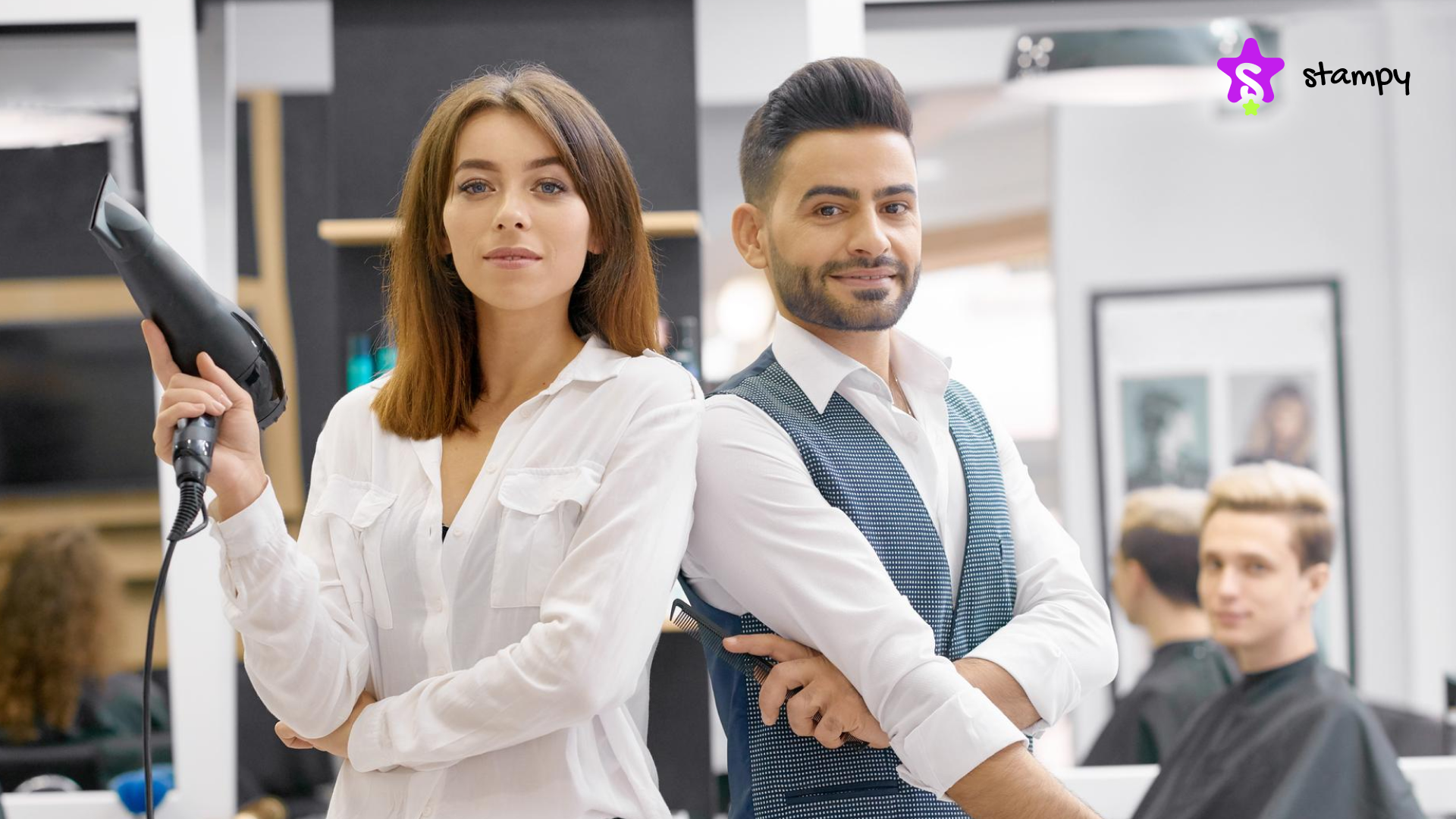
Salon-level loyalty grows through steady service standards, useful client notes, easy booking, recognisable rewards and warm team interactions. A calm and honest fix when something goes wrong also keeps clients from walking away for good.
You can find the reward side explained in detail in this hair salon loyalty program.
Salon Rebooking Rate and Retention Rate Are Not the Same
These two terms often get mixed up, yet each tells you something different about your clients.
- Rebooking Rate: This measures whether a client books another visit, usually before leaving or soon after the appointment. It works as an early indicator of how your clients feel about coming back to you.
- Retention Rate: The salon client retention rate shows whether clients keep returning over a period you define in advance. It is the real outcome of the relationship rather than just an early sign of interest.
A salon can have strong rebooking but weak retention when future appointments are cancelled, missed, or never completed. Never trust a universal retention benchmark unless it clearly states the measurement window behind that number.
According to Phorest's guide to salon performance metrics, rebooking rate measures how many clients schedule another appointment, while client retention tracks how many actually return. Monitoring both helps salon owners understand whether booked appointments are turning into completed visits.
Salon Customer Retention Metrics Owners Should Track
Each number below answers a different question about your clients, so it helps to track them separately. Blending them into one score can hide the real problem, and then you end up fixing the wrong thing. Pick a simple spreadsheet or your booking software, and check these numbers once every month.
First-to-Second Visit Rate
What percentage of first-time clients return for a second completed appointment within a set period? Divide the number who return by the total number of eligible first-time clients, then multiply by 100. Review the result regularly to see whether changes to your first-visit experience and follow-up are helping.
Client Retention Rate
What percentage of clients return for another completed appointment within a defined period? For example, you could track how many first-time clients return within 90 days or six months. Use the same measurement window when comparing results, and remember that natural return cycles differ between services.
Rebooking Rate
What percentage of clients leave with, or soon make, another appointment after their visit ends? It is a helpful early signal, but it never replaces the count of completed visits.
Visit Frequency
How often does your average active client return, looking at haircuts, colour and treatments separately? Each service has its own natural cycle, so always compare like with like where you can.
Client Lifetime Value
How much revenue does a client generate throughout their relationship with your salon? Start with their average spending per visit, how often they return, and how long they remain a customer. Include retail purchases where possible. Referrals can create additional value, but track them separately to avoid overstating the client's direct spending.
Lapsed Clients
Which regular clients have gone past their usual return gap and may need a friendly nudge from you? A short and warm message is often a gentler first step than a big discount offer. Our guide to win back inactive and lapsed customers shows how to start those conversations.
What Weak Retention Is Telling Your Salon
When clients stop returning, the reason is not always obvious. Some may be unhappy with their last visit, while others might be struggling with prices, scheduling, or changing needs. Look at when clients stop booking and whether certain services or stylists have more drop-offs. These patterns can help you identify what needs attention.
- New Guests: If first-time clients do not return, review the consultation, the result, the visit experience, and your follow-up.
- Stretching Gaps: When regulars wait longer between visits, look at price, convenience, booking friction, changing tastes, and competition.
- Late Cancellations: If clients frequently cancel their return appointments, review your reminders, scheduling flexibility, and cancellation policies. Making appointments easier to manage can help reduce missed visits.
- Stylist Loyalty: When clients stay loyal to one stylist but not the salon, strengthen the wider relationship with the whole team.
- Forgetful Clients: When people enjoy the service but forget to return, use reminders, visible loyalty progress, and easy booking.
Where Hair Salons Should Focus First to Improve Retention
Improving salon client retention does not have to involve major changes. Start by making it easier for clients to return, improving the experience they receive, and staying in touch between visits. A few consistent improvements can make a meaningful difference over time.
- Second Visit: Start with first-to-second visit conversion, because that is where many future regulars are won or lost.
- Easy Rebooking: Reduce friction in booking and rescheduling so clients can secure their next slot in seconds.
- Client Memory: Store useful service notes and preferences, then use them politely so every client feels remembered.
- Real Rewards: Give regulars a reason to keep choosing you, such as loyalty progress, recognition, or relevant perks.
- Early Action: Watch each client’s normal visit cycle and reach out as soon as their pattern starts to change.
A digital loyalty program can give clients another reason to return by rewarding their visits and making their progress easy to follow.
With Stampy, hair salons can offer digital stamp cards, track rewards, and encourage repeat appointments without relying on paper loyalty cards. Explore Stampy's loyalty program features to see how these tools can support your salon's retention efforts.
Conclusion
Retention matters for hair salons because the value of a client rarely ends with one appointment. A client who returns every few weeks can bring years of bookings, extra services, products, and referrals.
Your first goal is not lifelong loyalty, but the second completed appointment from every new client. From there, build a repeat booking rhythm, track who keeps returning, and step in when patterns change.
New-client marketing will always matter, but strong salons do more than fill today’s empty chair. They give today’s client a good reason to sit in that same chair again next month.
FAQs
What is client retention in a hair salon?
It is the ability to keep clients coming back for completed visits over a defined period of time. A client who books once and never returns does not count as retained, however good the visit felt.
Why is client retention important for salons?
It protects your revenue, makes your diary easier to forecast, and gives every new client more long-term value. You also rely less on constant new-client marketing just to keep your chairs full each week.
What is the difference between salon retention and rebooking?
Rebooking means a client books another appointment, while retention means they actually return and complete visits over a set period. Rebooking is an early sign, but only completed visits show whether the relationship is truly lasting.
How do repeat clients increase salon revenue?
They pay you across many appointments instead of once, so their total spend keeps growing over time. They also give you more chances to suggest add-ons, products, and new services when those genuinely suit them.
What is client lifetime value for a hair salon?
It is the total value a client brings over time, including services, products, and any referrals. A simple way to estimate it is average appointment value multiplied by visits per year and years stayed.
Why do first-time salon clients not come back?
Common reasons include a weak first visit, an unclear result, no follow-up, or a booking process that feels difficult. Sometimes the client simply forgets, so a friendly reminder after the visit can make a real difference.
How can hair salons improve client retention?
Start by earning the second appointment, then make rebooking easy and remember each client’s notes and preferences. Keep an eye on visit patterns, and reach out kindly when a regular begins to drift away.
What client retention metrics should salon owners track?
Track first-to-second visit rate, retention rate, rebooking rate, visit frequency, lifetime value, and lapsed clients, each one separately. Checking them once a month is enough to spot problems before they start costing you real money.
How do loyalty programs help hair salon retention?
They keep progress visible, reward repeat visits, and give clients one more friendly reason to book their next appointment. They work best when rewards feel relevant and easy to earn, rather than complicated or out of reach.
When should a salon consider a client lapsed?
Consider a client lapsed when they pass their usual return interval, which differs for haircuts, colour and treatments. A client who normally visits every six weeks and has been away for twelve weeks is worth a friendly message.