13 min read




Key Takeaways
- Digital loyalty cards offer more tools for tracking visits, managing rewards, and encouraging repeat visits than traditional stamp cards.
- Traditional paper cards are simple and inexpensive, but they provide limited customer data and require manual tracking.
- Digital loyalty programs can support salon sales through repeat visits, customer reminders, targeted offers, and better retention.
- Paper stamp cards can still work well for small salons that want a simple loyalty system without additional technology.
- The best option depends on your salon size, customer base, budget, and how much you want to automate your loyalty program.
In the fast moving world of hair salons, success is not just about great cuts or trending color techniques. It is also about keeping clients coming back. One empty chair on a Saturday can quietly signal a much bigger problem: retention. Industry data shows salon client churn can reach 30 to 40% annually, and nearly two thirds of first time visitors never return for a second appointment. That means most salons need a system that helps turn first time visitors into loyal regulars.
This is where loyalty programs come in, but not all systems work the same way. From classic paper punch cards to modern digital hair salon loyalty programs, SMS rewards, and app based tracking, salon owners have several options. But do digital loyalty cards work better than traditional stamp cards for salons?
For most growing salons, digital loyalty cards offer more opportunities to increase repeat visits and sales because they can track customer activity, manage rewards, and help businesses communicate with clients between appointments. Traditional stamp cards can still work well for small salons that want a simple and low cost loyalty system.
In this guide, we compare digital and traditional salon loyalty programs based on cost, customer experience, tracking, retention, and their ability to drive repeat sales.
Digital vs. Traditional Loyalty Programs: Which Is Better for Salons?
For most salons, digital loyalty programs offer more ways to encourage repeat visits and increase sales than traditional paper stamp cards. Digital programs can track customer visits, manage rewards automatically, and make it easier to send timely reminders or offers. Traditional stamp cards are simpler and cheaper to start, but they rely on manual tracking and give salons less customer data.
If you are looking for a hair salon loyalty program, digital tools can help you reward repeat visits while keeping your loyalty program easier to manage. Traditional stamp cards can still be a good choice for small salons with a limited customer base and a simple reward system. The right option depends on your salon's goals, budget, and how much you want to automate your loyalty program.
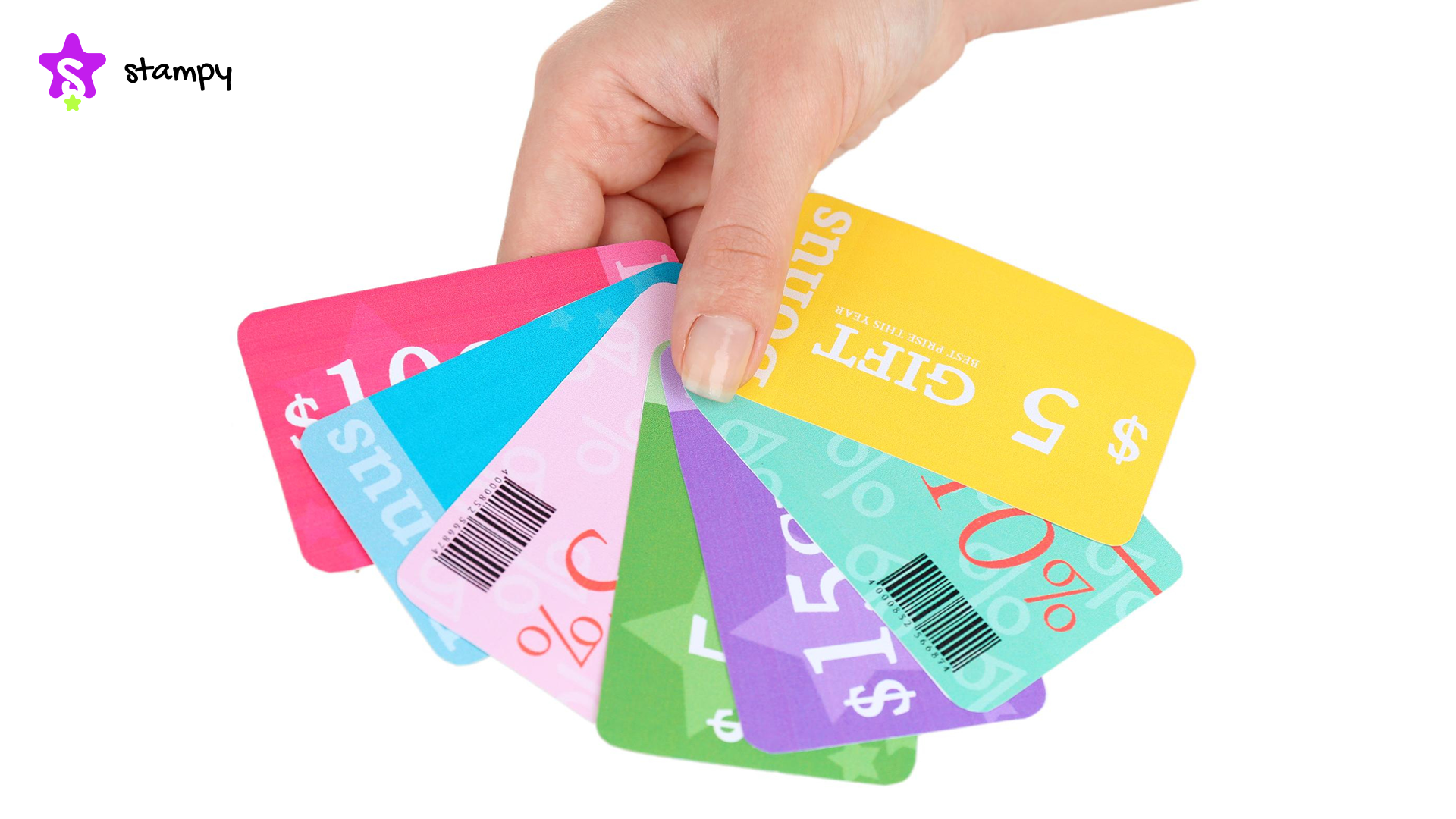
How a Digital Hair Salon Loyalty Program Works
A digital loyalty program moves all of that off paper and onto a phone. Platforms like Stampy replace the paper stamp card with a QR-code-based system. Clients are assigned a unique QR code, a salesperson scans it at the point of purchase, and stamps are automatically added to the client's account in real time.
The client can check their progress in the app, see active campaigns at your salon, and receive notifications when they're close to a reward. You can run multiple campaigns at once, one for haircuts, another for color services, and another for retail products. The whole thing sits in a web portal that your branch manager can update without calling anyone.

Digital punch cards are one of the simplest entry points into this system, especially for salons just starting with digital rewards. If you want to understand how they work in detail, read our guide on what a digital punch card is and how it replaces traditional paper systems.
The biggest advantage for salon owners is that digital loyalty turns each visit into useful customer data. You can see how often clients return, track reward progress, and identify customers who are becoming inactive. This makes it easier to create targeted campaigns that encourage clients to book their next appointment.
There are a few formats worth knowing:
- Loyalty Apps: Full mobile applications where clients create accounts, track progress, and redeem rewards directly. Stampy operates this way, with location-based store discovery so clients can find nearby participating salons and see what campaigns are running. The client scans in-store; the stamp lands instantly.
- Digital Punch Cards: The simplest digital format that works exactly like a paper card but lives in Apple Wallet or Google Wallet instead. No app download required, which removes a significant adoption barrier for older clients.
- SMS Rewards: Some systems send reward updates and reminders via text message instead of a dedicated app. Lower tech friction for clients who don't want another app, but also fewer features on the business side. Works well as a supplement to a full program.
For a step by step approach to creating one, see our guide on how to build a hair salon loyalty program.
Key Differences Between Digital and Traditional Loyalty Systems
The two models can look similar on the surface; a client visits, earns credit, and eventually claims a reward. But the way each handles tracking, communication, and data sets them far apart.
Feature | Traditional Loyalty Cards | Digital Loyalty Programs |
Customer tracking | Manual and limited | Automatic and real-time |
Reward tracking | Client carries the card | Progress is stored digitally |
Customer data | Very limited | Visit history, reward progress, and customer activity |
Communication | No direct communication | Push notifications, reminders, and offers |
Lost cards | Customers can lose or damage them | No physical card to lose |
Customer insights | Little to no visibility | Clear view of customer behavior |
Multiple locations | Harder to manage | Easier to manage from one system |
Campaigns | Usually manual | Can be created and managed digitally |
Customer retention | Passive | Can actively support repeat visits |
Scalability | Becomes harder to manage as the salon grows | Better suited for growing salons and multiple branches |
Traditional cards rely entirely on the client to carry, protect, and present a physical object. Digital systems remove that responsibility by tying everything to a phone the client already carries. Where a paper card forgets a client the moment they leave, a digital program remembers every visit and can act on it.
The biggest difference is visibility. Paper gives you no record of who your customers are or how they behave. Digital gives you a live profile of each client, including visit frequency, preferred services, and reward progress. That single shift, from invisible to measurable, changes how you make decisions. You move from guessing what your clients want to knowing it.
Communication is the other clear divide. A paper card cannot reach a client between appointments. A digital platform can send a push notification, an expiring-offer alert, or a win-back message at exactly the moment it matters most.
Another important difference is scalability. A paper loyalty card can work well for a single salon, but managing cards across multiple locations becomes harder as the business grows. A digital loyalty program gives salon owners one system for tracking customers, rewards, and campaigns across locations, making it easier to manage a growing customer base.
If you want a deeper side-by-side breakdown of how both systems perform in real salon environments, we’ve compared them in detail in paper punch cards vs digital loyalty: what actually works.
Cost Comparison: The Hidden Drain of Paper
This is where a lot of salon owners get tripped up. Paper cards look cheaper because the upfront cost is almost nothing. Print a hundred cards for a few dollars, and you're running a loyalty program.
Digital programs charge a monthly or annual subscription. Depending on the platform, the number of branches, and the feature set, the fee can range from a basic flat fee to tiered plans based on business size.
Cost Factor | Traditional Loyalty Cards | Digital Loyalty Programs |
Setup | Printing cards and buying stamps | Platform setup and onboarding |
Ongoing cost | Reprinting cards and replacing lost cards | Monthly or annual software fee |
Staff time | Manual stamping and tracking | Automated tracking |
Customer data | Little to none | Customer activity and reward data |
Retention efforts | Mostly manual | Automated reminders and campaigns |
Scaling | Costs and admin increase with locations | Easier to manage across locations |
Measuring results | Difficult | Campaign and redemption data available |
What the cost comparison misses is what paper programs actually cost you in silent attrition. There's no way to calculate how many clients drifted during the six-week gap between appointments because no one reached out to them. Digital programs automate those touchpoints: a push notification when a reward is ready to claim, a reminder that an offer is expiring, a campaign targeting clients who haven't visited in a while. Each of those is a booking that wouldn't have happened otherwise.
Customer Experience: What Clients Prefer Today
Customer preferences have shifted noticeably in the last few years. Younger clients, in particular, don't want to carry physical cards. They already manage everything from their phone. The convenience of having their progress tracked automatically, without remembering to hand over a card at checkout, matters to them.
Older clients sometimes feel differently. They like the tangibility of a physical card and the simplicity of its operation. For them, digital punch cards that load into Apple Wallet or Google Wallet can split the difference. They get the familiarity of a card format without the app friction.
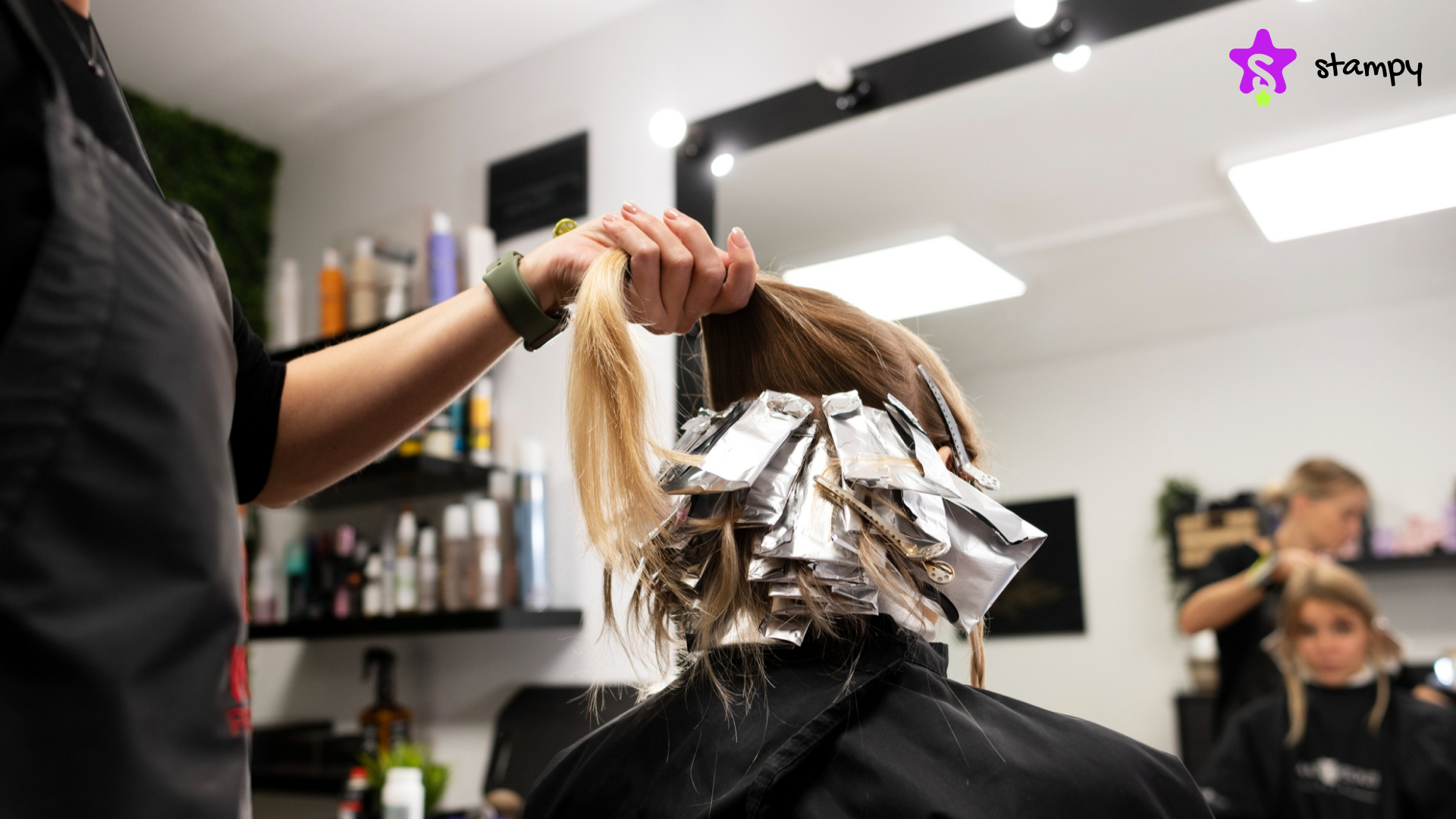
The honest answer is that most clients don't care deeply about the mechanics. They care about whether the program is easy to use and whether the rewards are worth it. A digital program with a clunky signup process will lose clients just as surely as a paper card nobody bothers to carry.
Another factor is how easy it is for clients to join. A loyalty program should take only a few moments to sign up and should not require clients to remember another username, password, or physical card. QR code based enrollment and digital cards can make joining quick while keeping the experience simple for both new and returning clients.
Why Digital Wins for Growing Salons
If you're running one small location with a very loyal, older client base, paper may be genuinely fine. You probably know your regulars by name anyway.
But if you're managing multiple branches, trying to grow, or operating in a competitive market, the data gap in traditional programs becomes a real problem. You can't improve something you can't measure.
Digital platforms give you campaign performance data, redemption rates, and customer participation numbers. A branch manager can see which campaign is driving the most repeat visits and adjust accordingly. A business owner can compare performance across multiple locations in a single dashboard.
The ability to run targeted campaigns based on behavior is also something paper simply can't replicate. Sending a push notification to clients who haven't visited in eight weeks, specifically during a slow Tuesday afternoon, is the kind of targeted retention move that compounds over time into real revenue.
Digital loyalty also makes it easier to segment customers and create rewards based on their behavior. For example, a salon can offer a returning client a reward for booking their next appointment, while giving an inactive client a different incentive to come back. This makes loyalty campaigns more relevant instead of sending the same offer to every customer.
If you're planning to design a full system from scratch, it helps to first understand the structure behind successful programs. This guide on building a hair salon loyalty program that customers actually love breaks down the strategy step by step.
Final Thoughts
If you're running one small location with a very loyal, older client base, paper may be genuinely fine. You probably know your regulars by name anyway.
But if you're managing multiple branches, trying to grow, or operating in a competitive market, the data gap in traditional programs becomes a real problem. You can't improve something you can't measure. Digital platforms close that gap by tracking behavior, automating reminders, and turning everyday visits into insights you can act on.
The verdict for most salons is clear: digital loyalty programs don't just match what paper does; they do the one thing paper never could, which is actively work to bring clients back. In a business built on repeat visits, that difference is what separates a slow Saturday from a fully booked one.
Before choosing a loyalty system, consider your salon's size, customer preferences, budget, and growth plans. A simple paper card may be enough for a small salon, while a digital program becomes more valuable as you need better tracking, customer communication, and retention tools.
Frequently Asked Questions
How does a digital hair salon loyalty program actually work at the point of sale?
When a client makes a purchase, the salesperson opens the loyalty app or web interface and scans the client's unique QR code. The system automatically credits the correct number of stamps or points to that client's account based on the purchase. The client receives a notification confirming the update, and their progress is visible in real time.
Can a digital program replace a paper punch card without confusing existing clients?
Yes, and most clients adapt quickly. The transition usually works best when you explain the switch at checkout, offer a brief signup on the spot, and honor any progress clients had on their old paper cards. A few clients may take longer to warm up, especially those less comfortable with smartphones, but digital punch card formats that load into Apple Wallet or Google Wallet offer an easy middle ground.
What rewards actually work best for hair salon loyalty programs?
Free add-on services tend to perform better than discounts on core services. A free deep conditioning treatment, a complimentary blowout, or a free fringe trim after a set number of visits feels like a bonus rather than a price reduction. Discounting your main services can quietly erode the perceived value of what you charge.
How many visits should it take to earn a reward?
Most salons find six to eight visits is the right range. Too few visits and the reward comes around too often to create a sense of achievement. Too many, and clients lose interest before they get there. The exact number depends on your average visit frequency and the value of the reward you're offering.
What's the difference between a points-based and a visit-based digital loyalty program?
A visit-based program awards one stamp per visit, regardless of spend. A points-based program ties rewards to dollars spent, so a client who books a color, a cut, and a treatment earns more points than someone who just comes in for a trim. Points-based programs work well when your clients have variable spend. Visit-based programs are simpler to explain and faster to adopt.
What software helps hair salons increase their average revenue per visit?
Salon loyalty software can help increase average revenue per visit by rewarding higher-value purchases, promoting add-ons and retail products, and sending targeted offers based on customer behavior. Digital loyalty platforms also give salons data they can use to identify spending patterns and create campaigns that encourage clients to book additional services.
What are the benefits of digital price lists for salons?
Digital price lists make it easier to update prices, provide clearer service information, and let clients check prices before booking. They can also help salons keep pricing consistent across services and locations.
How do salon loyalty programmes actually work and do they help with retention?
Salon loyalty programmes reward clients for repeat visits, purchases, or specific services. Clients earn stamps, points, or other rewards each time they qualify. Digital programmes can also send reminders, track visit history, and create targeted offers, helping salons give clients more reasons to return and improve retention over time.