13 min read




Key Takeaways
- Start permits and licenses early, since approvals often take several weeks and delays push back your whole launch.
- Lock your menu and confirm suppliers before you begin staff training, not after it starts.
- Hire kitchen staff earlier than front-of-house staff, since recipes take longer to master than service skills.
- Turn on reservations as soon as your opening date is confirmed, so you can forecast demand ahead of time.
- Run a real soft opening to catch problems while a small audience is watching, not a packed room.
- Plan for repeat business from day one, since opening week traffic fades once the novelty wears off.
Opening a restaurant is a major operational launch, not simply the day the doors open. Before that day arrives, owners need legal approvals, a ready kitchen, trained staff, and a working menu. This restaurant opening checklist walks through every stage, from permits and menu planning to staff training and technology setup.
Opening week often brings strong traffic because of curiosity, local buzz, and early promotions around the launch. That traffic alone does not guarantee repeat customers once the initial excitement fades. This guide treats customer retention as part of the plan, not an afterthought once the doors open.
By the end, you will have a realistic restaurant opening plan for the weeks leading up to launch, plus a simple checklist for opening a restaurant that you can save and reuse. Whether you run a small cafe or a full-service dining room, the same basics apply. This opening a restaurant checklist can also serve as a quick reference as you work through each stage of your launch.
What Licenses and Permits Do You Need to Open a Restaurant?
Every restaurant opening checklist has to start with paperwork, because permits are usually the slowest part of the process to clear.

Start With the Essentials
Most restaurants need a business license, a food service permit, and a passing health inspection before they can open, along with a certificate of occupancy from the local building department. A liquor license applies if you plan to serve alcohol on the premises, and a signage permit may be required before you install anything on the exterior of the building. Additional permits may be required depending on your location and services, so check with your local authorities to confirm which approvals apply to your restaurant.
Why Timing Matters
Permit approvals can take several weeks, and some inspections require follow-up visits before they finally pass. Wait until the final month before launch and a single delay can push your entire opening back, sometimes by weeks. Start your applications as soon as you sign the lease or begin construction, so your restaurant opening timeline still has room to absorb the unexpected.
How Do You Get a Restaurant Ready to Open?
Physical readiness matters just as much as paperwork when you build out your restaurant launch plan, and it's easy to underestimate how long this part takes.
Check the Kitchen
Confirm every piece of equipment works properly and that refrigeration holds a safe temperature consistently, since this is where a health inspector will look first. Check that storage areas are organized, and ventilation handles heat and smoke properly throughout service. Walk the kitchen layout yourself to confirm staff can move without constantly bumping into each other, because a cramped kitchen slows down every ticket once real orders start coming in.
Prepare the Customer Area
The dining room shapes a guest's first impression long before they taste anything, so this part deserves real attention rather than a rushed final pass. Arrange tables and seating so the space feels comfortable instead of cramped, check lighting levels, and print your final menus. Confirm restrooms are clean and stocked, and make sure your signage outside is visible enough that people walking by actually know you're open.
How Should You Prepare Your Menu and Suppliers Before Opening?
Your menu and your suppliers need to be locked in well before opening week begins, since both feed directly into staff training.
Finalize the Menu
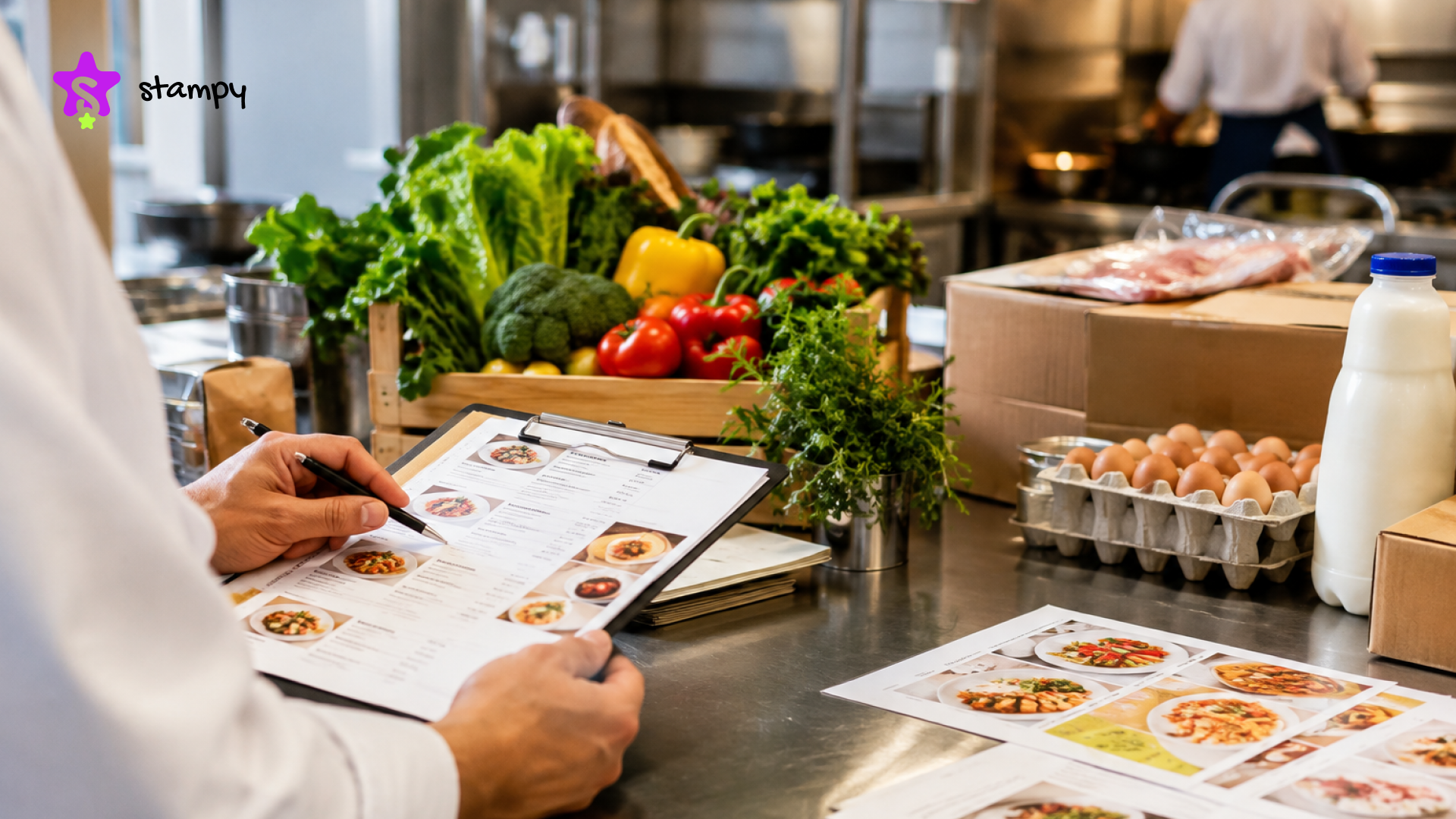
A finished menu gives your kitchen team something stable to practice and refine, instead of chasing a moving target. Test every recipe for consistency so each dish tastes the same across different cooks and shifts, and confirm your portion sizes and pricing actually reflect your food costs and target margin. A locked menu is one of the clearest signs that your restaurant opening plan is genuinely ready, not just close.
Confirm Your Suppliers
Reliable suppliers protect you from running short on key ingredients during a busy opening week, which is a bad time to discover a gap. Confirm delivery schedules and minimum order amounts with every supplier well before your opening date, and build your opening inventory around realistic expected demand rather than a guess. Line up a backup supplier for anything hard to replace quickly, since that one missing ingredient tends to show up on your busiest night.
How Do You Set Up Reservations for a New Restaurant?
Reservations give guests a familiar way to plan their visit, and they do more for you than most owners expect before opening.
Go Live Before Opening
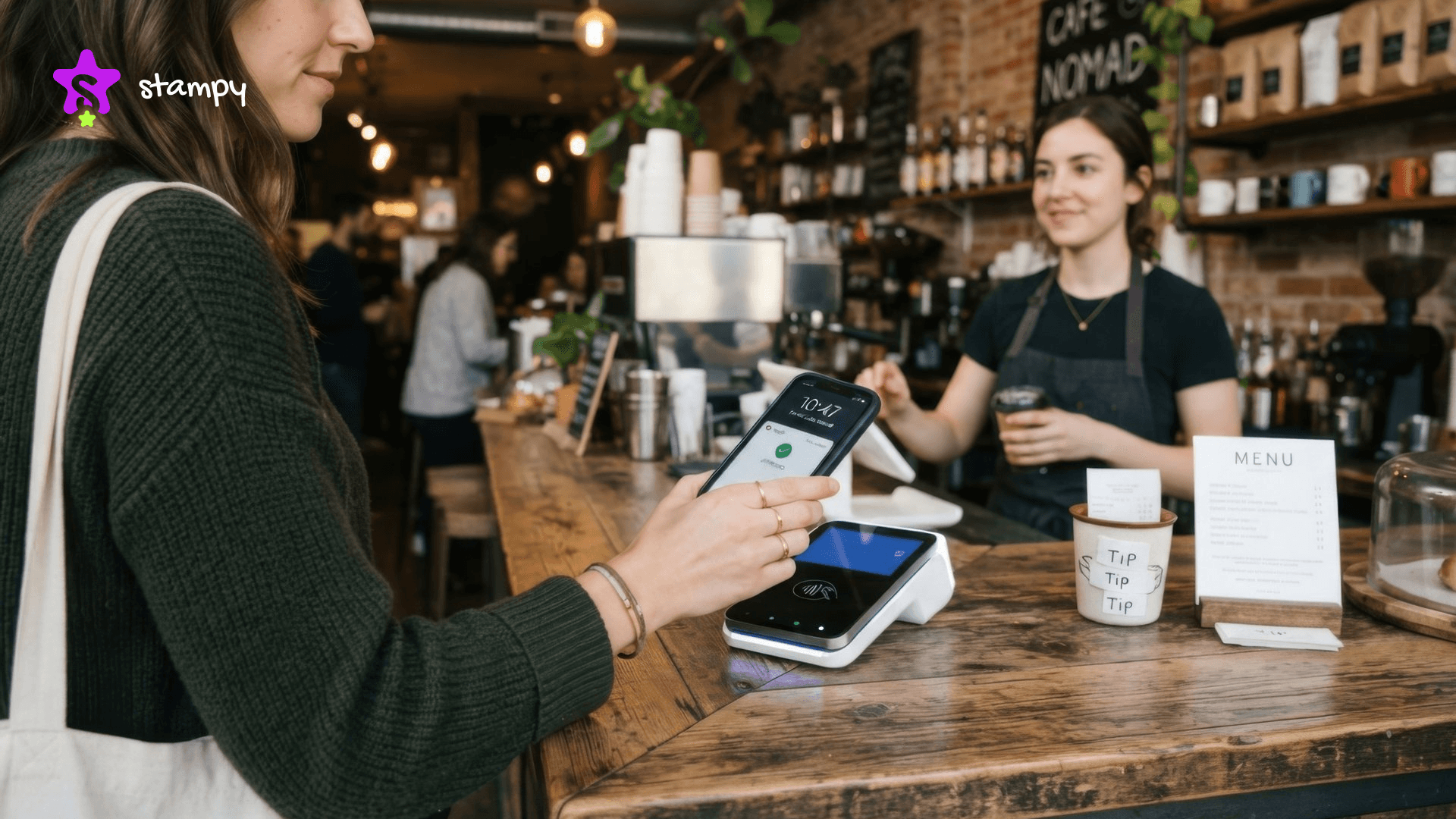
If your restaurant accepts reservations, make the system available as soon as your opening date is confirmed and publicly announced. Early bookings can help you estimate demand and plan staffing and preparation. That early data lets you adjust staffing and prep levels before real service begins, instead of guessing on day one. Waiting too long to open reservations means giving up weeks of useful demand signals you could have used to plan.
Capture Guest Details
Reservations are also your very first real touchpoint with future regular customers, not just a booking form. Collect basic details such as names, contact information, and any dietary preferences upfront, and use that information to personalize service from a guest's very first visit onward. Keep the process simple, since people are more likely to book when it feels quick rather than like a form to fill out.
When Should You Hire and Train Restaurant Staff?
Kitchen staff and front-of-house staff need different timelines, and treating them the same is one of the more common opening mistakes.

Hire Your Kitchen Team Early
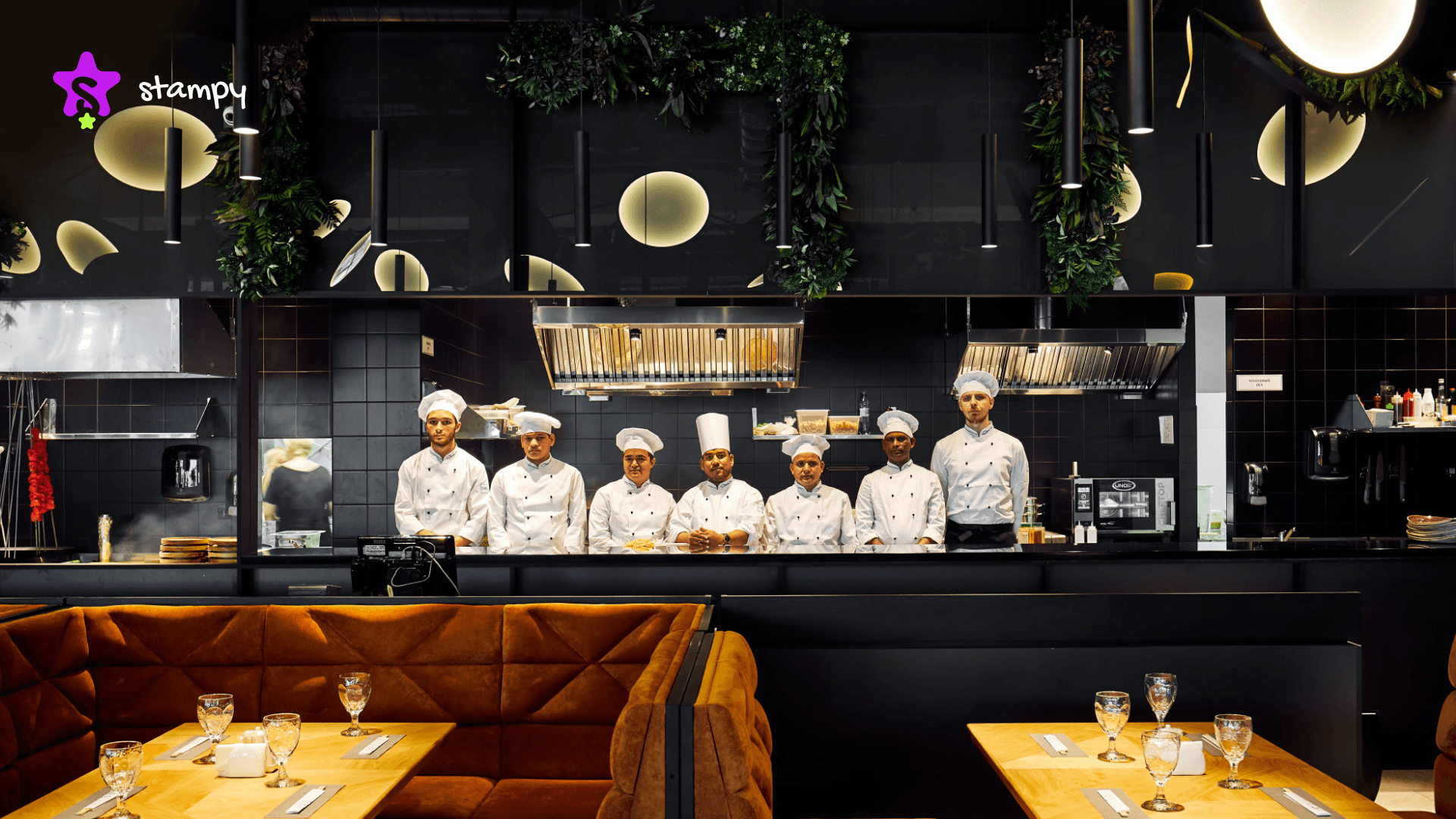
Kitchen staff need more lead time to learn recipes and build consistent habits, so hire cooks and prep staff early enough that they can master the menu before opening night. Give them time to practice portioning, plating, and timing until it stops feeling deliberate and starts feeling automatic. Strong kitchen workflow doesn't happen overnight, especially with a brand new team that hasn't worked together before. If you're unsure how many people to bring on for your size and service style, a restaurant staffing calculator can help you estimate headcount before you start interviewing.
Train Your Front of House Team
Front of house staff can usually train closer to launch, since service skills build up faster than kitchen recipes do. Cover service style, menu knowledge, and point-of-sale training across a few short, focused sessions, and teach staff how to handle common questions and manage table turnover during busy shifts. Run a few role-play scenarios so servers feel confident before they're facing real paying guests instead of a training exercise.
Practice Before Opening
Simulated service catches problems early, while the stakes are still low and nobody's paying real money yet. Run practice services with friends, family, or guests before your official opening, and treat these sessions like real service, timing pressure included. A soft opening builds on this practice by testing your systems against real, paying customers, which is a different kind of pressure entirely.
What Should You Do in the Weeks Before Opening Day?
A clear restaurant opening timeline turns those final weeks into specific actions instead of a vague sense of "almost ready."
30 Days Before Opening
- Menu: Finalize every recipe and confirm pricing before staff training begins.
- Suppliers: Confirm delivery schedules and backup options for key ingredients.
- Systems: Set up your point of sale and reservation platforms.
- Hiring: Begin hiring your kitchen and front-of-house staff.
- Presence: Prepare your website and social media profiles.
- Marketing: Begin early promotion to build local awareness.
14 Days Before Opening
- Training: Run full staff training sessions across every role.
- Testing: Test every system, from payments to kitchen equipment.
- Inventory: Confirm opening inventory matches expected early demand.
- Reservations: Go live with your reservation system publicly.
- Promotion: Continue pre-opening marketing across your channels.
7 Days Before Opening
- Soft opening: Run a soft opening to test full service.
- Fixes: Address any operational issues found during testing.
- Inspection: Complete your final health and safety inspection.
- Schedules: Confirm final staff schedules for opening week.
- Marketing: Increase local marketing ahead of launch.
One Day Before Opening
- Cleaning: Complete a final deep clean of every area.
- Prep: Finish ingredient prep for opening day menu items.
- Inventory: Run a last check against your placed orders.
- Technology: Test point of sale and reservation systems again.
- Walkthrough: Walk the full space one last time together.
- Briefing: Brief your team on roles and expectations.
This structure works well as a restaurant pre opening checklist, and you can adapt the timing to whatever your permits and construction actually allow.
How Do You Run a Successful Restaurant Soft Opening?
A soft opening is a controlled test of your restaurant before the official launch, and treating it as anything less defeats the point.

Test the Full Service
- Kitchen: Confirm ticket times and dish consistency under pressure.
- Front of house: Watch how staff handle real table flow.
- POS: Confirm orders and payments process without errors.
- Reservations: Test how bookings translate into actual seated guests.
- Communication: Check how staff communicate during busy moments.
Find and Fix Problems
The real goal here is honest feedback, not a flawless night that tells you nothing useful. Watch for slow ticket times, order mistakes, and bottlenecks forming anywhere in the kitchen, and note any breakdowns in communication between kitchen staff and front of house. Ask guests directly about their experience and actually act on what they tell you, then fix what you can before opening day and plan for the rest.
What Should You Do on Restaurant Opening Day?
Opening day needs a clear plan for before service, during service, and after service, and a simple restaurant opening day checklist keeps your team aligned through all three. This opening day checklist for restaurant teams can help you keep the final preparations, service, and post-shift tasks organized.
Before Guests Arrive
- Walkthrough: Confirm the space is clean and fully set.
- Prep: Finish kitchen prep for the first service.
- Inventory: Verify stock matches your opening day expectations.
- Reservations: Review the guest list for the day.
- Technology: Confirm systems work before doors open.
- Briefing: Give your team a short final briefing.
During Service
Stay alert throughout service, because catching a small problem early beats fixing a big one later. Monitor ticket times and watch for any dip in food consistency, and support staff wherever they seem overwhelmed instead of waiting for a visible problem. Handle customer issues calmly and quickly, since first impressions matter more today than on any other day of the year.
After Service
The end of service is the time to capture what you learned while it's still fresh. Review your sales numbers against your original projections, and collect feedback from staff before the details fade from memory. Record any problems that came up so your team can address them quickly, then use those notes to shape small improvements before the next shift.
How Do You Get Repeat Customers After Opening Week?
Strong opening traffic doesn't automatically turn into a loyal customer base, and this is where a lot of new restaurants quietly lose momentum.
Opening week traffic is only the beginning. For more strategies on building repeat visits, see our guide on how to turn restaurant customers into regulars.

Give Customers a Reason to Return
A memorable first visit matters more than any opening week discount, no matter how generous it is. Focus on food quality, friendly service, and the small details guests tend to remember afterward, then offer a simple reason to come back, such as a limited-time follow-up deal. Guests return when the whole experience feels worth repeating, not just worth trying once out of curiosity.
Start Building Customer Relationships
Staying connected after that first visit is what turns a one-time guest into a regular. Collect contact details respectfully through reservations, receipts, or a simple sign-up option, and follow up with occasional useful updates rather than constant promotional messages. Low-pressure, consistent contact keeps your restaurant in mind the next time someone's deciding where to eat.
Introduce a Loyalty Program
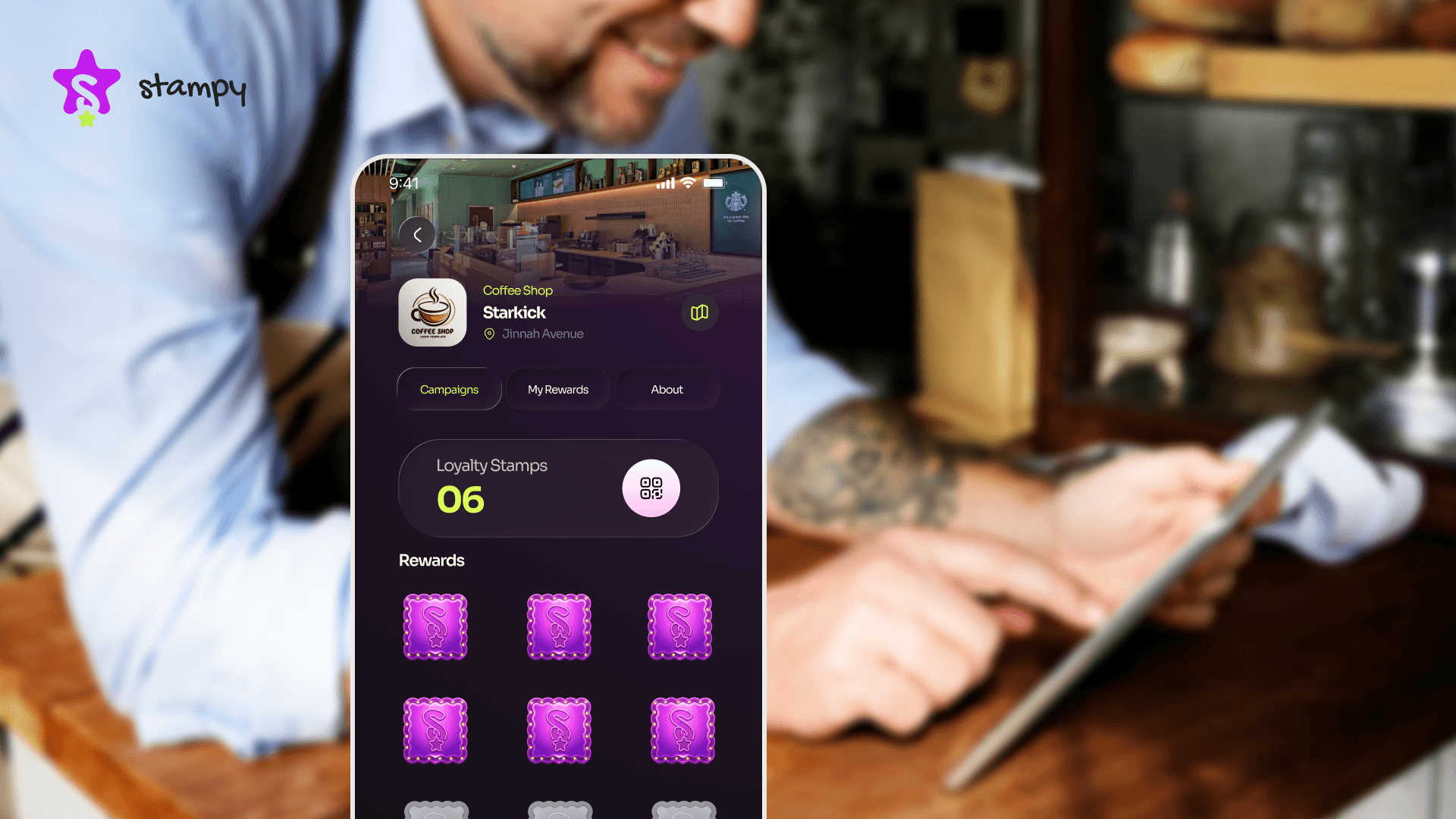
A restaurant loyalty program gives guests a concrete reason to choose your restaurant again, instead of trying somewhere new next time. Digital loyalty programs let guests earn stamps or points toward future rewards easily, turning a single opening week visit into an ongoing relationship rather than a one-off transaction. Tools like a restaurant loyalty program make this simple to set up, and introducing it early gives your opening week guests a real reason to come back.
A loyalty program can do more than offer discounts. Learn what digital loyalty can deliver for your business beyond discounts.
Restaurant Opening Checklist: Your Final To-Do List
Use this new restaurant opening checklist as a quick reference during your final weeks of preparation.
- Legal: Licenses, permits, health approval, and insurance coverage.
- Restaurant: Kitchen readiness, dining area, equipment, utilities, safety, and cleaning.
- Team: Hiring, training, schedules, and a full practice service.
- Systems: Point of sale, payments, reservations, and online ordering.
- Launch and retention: Marketing, soft opening, opening day, reviews, and loyalty.
This grouped restaurant grand opening checklist keeps every task organized under one clear category, so nothing slips through in the final rush.
Conclusion
Opening a restaurant takes more than getting the doors ready. Permits, suppliers, staffing, training, technology, and a successful soft opening all need to come together before your first service. Use this restaurant opening checklist to work through each stage without leaving important tasks until the last minute.
Once you're open, don't stop planning. Focus on consistent service, stay connected with your guests, and give first-time visitors a reason to return. A simple digital loyalty program can help turn opening-week traffic into repeat visits and give your new restaurant a stronger foundation for long-term growth.
Frequently Asked Questions
How long does it take to prepare a restaurant for opening?
The preparation time varies widely depending on the location, restaurant concept, construction work, permits, and staffing needs. Start planning as early as possible, especially for permits and construction, and build extra time into your restaurant opening timeline for unexpected delays.
What should be done 30 days before opening a restaurant?
At 30 days out, finalize your menu, confirm your suppliers, and set up your core systems. Begin hiring staff and start building your website and social media presence. This is also the right time to begin early marketing around your opening date. These steps form the foundation of any solid restaurant launch checklist.
What should I test during a restaurant soft opening?
Test your kitchen, front-of-house team, point-of-sale, and reservation system together, not in isolation. Pay close attention to ticket times, order accuracy, and communication between teams. A soft opening should feel like real service, not a casual trial run. Use what you learn to fix issues before your official launch begins.
What should I do on restaurant opening day?
Before guests arrive, confirm your space, inventory, technology, and staff are fully ready. During service, monitor ticket times, food quality, and how smoothly tables are turning. After service, review your numbers and gather feedback from your team while it's still fresh in everyone's mind.
How do I get customers to return after opening?
Focus on consistent food quality and service rather than relying only on opening buzz. Collect guest information respectfully and follow up with occasional, low-pressure communication. A simple loyalty program gives guests a clear incentive to choose your restaurant again, rather than trying whatever opened next.
When should a new restaurant start a loyalty program?
Many restaurants introduce a loyalty program during opening week, right when early enthusiasm is at its peak. Starting early means your very first guests can begin earning rewards immediately. It also gives you real usage data to refine the program going forward, instead of guessing at what guests actually want.