13 min read




Key Takeaways
- First-time customer retention is mainly about earning the second visit, not immediately creating lifelong loyalty.
- Give customers a specific reason to return before their first interaction ends.
- Loyalty rewards work best when progress is clear, the reward is relevant, and earning does not feel unnecessarily difficult.
- Follow-up timing should reflect how often customers normally need your product or service rather than using the same schedule for everyone.
- Track first-to-second visit rate and time to second visit alongside your overall repeat customer rate.
Turning a first-time customer into a regular starts with earning the second visit. That means giving people a reason to come back before they leave, staying relevant between visits, and making the next experience feel easy and worthwhile.
For local businesses, repeat customers are especially valuable because they already know what you offer and need less convincing than someone discovering you for the first time. According to Square’s 2026 Local Economy Report, regular customers generate around 6x more annual revenue than one-time customers in its U.S. dataset.
The goal is not to create lifelong loyalty after one purchase. It is to move customers through the next step:
First visit → second visit → repeat habit
The strategies below focus on that transition and the practical things a local business can do to turn a good first experience into another visit.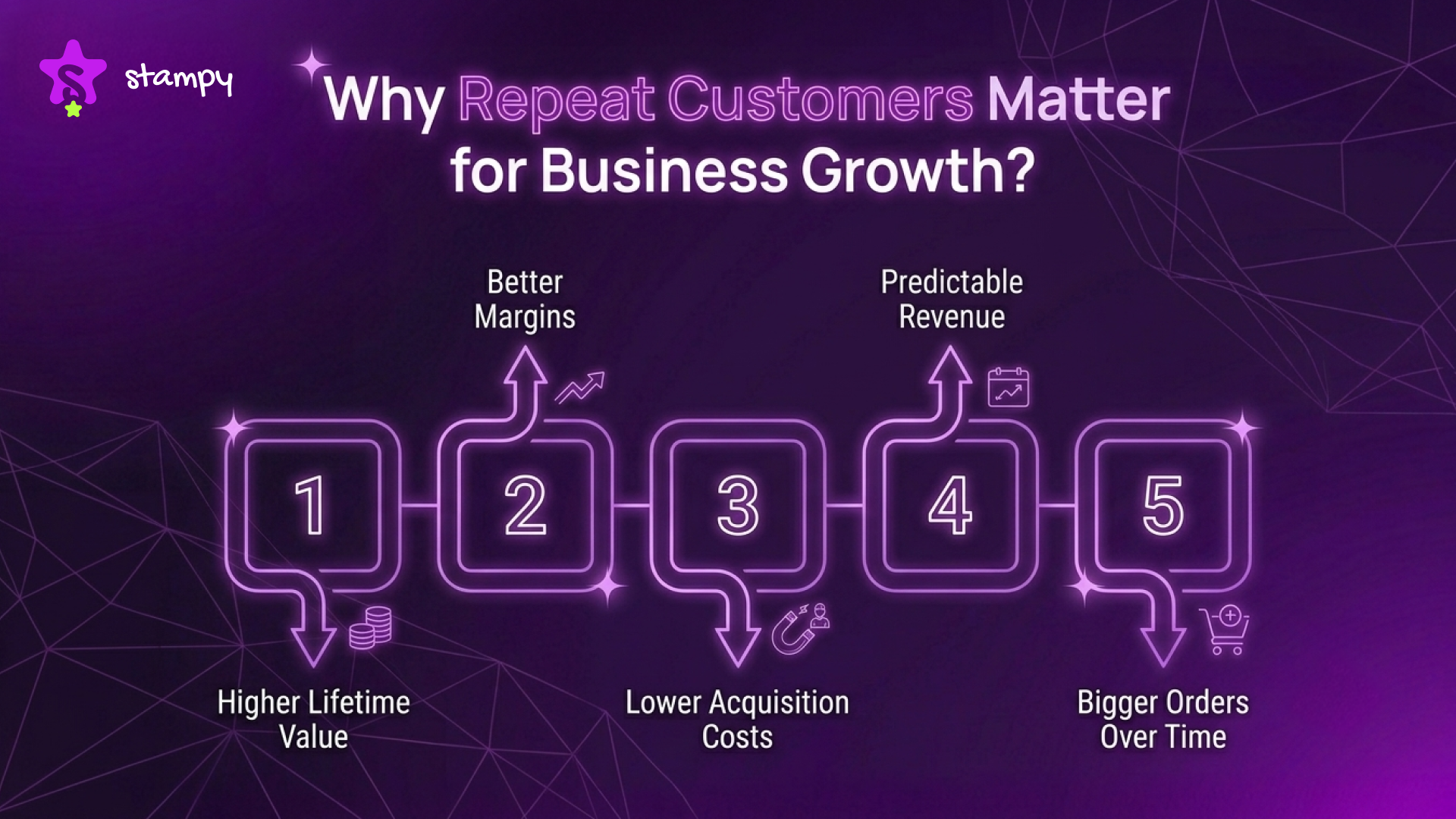
Why the Second Visit Matters
A customer can enjoy their first visit and still never come back. They may have had no problem with the service, product, or price. They simply had no strong reason to choose your business again when dozens of other options were available.
That is why the gap between the first and second visit deserves special attention.
A customer who has already returned once is no longer making the same decision as someone discovering you for the first time. They know where you are, understand what you offer, and have already chosen you twice. The next step is to make returning feel increasingly natural.
The second visit also gives you more useful information. You can start seeing whether the customer is developing a pattern, what they tend to buy, how often they may need the product or service, and what type of reward or reminder is likely to be useful.
That makes first-to-second visit conversion one of the most useful things to watch when you are trying to build a stronger base of regular customers.
Why First-Time Customers Don't Always Come Back
A first visit can go perfectly well without creating another one.
Sometimes the customer simply forgets about the business. In other cases, there is no clear reason to return, the loyalty reward feels too far away, the experience changes from one visit to the next, or another business becomes more convenient.
The problem is often not dissatisfaction. It is a lack of momentum.
Customers are more likely to think about returning when something from the first interaction carries forward into the next one. That could be an unfinished loyalty reward, a booked appointment, a product they need to replenish, a new menu item they want to try, or simply a timely reminder.
Your job is to create that next step before the relationship goes quiet.
How to Turn a First-Time Customer Into a Regular
1. Make the First Experience Worth Repeating
No loyalty program can compensate for an experience customers do not want again.
Start with the basics: consistent quality, friendly service, clear pricing, reasonable wait times, and an experience that matches what the customer expected.
For a coffee shop, that may mean getting the order right and making service quick. For a salon, it might mean understanding what the client wants and making the booking process easy. For a restaurant, food quality matters, but so do service, cleanliness, timing, and the overall experience.
You do not need to create an extraordinary moment for every new customer. You need to give them enough confidence to think, "I would come here again."
2. Give Them a Reason to Return Before They Leave
Do not wait until a customer disappears to start thinking about retention.
Give them a clear next step while the first experience is still fresh.
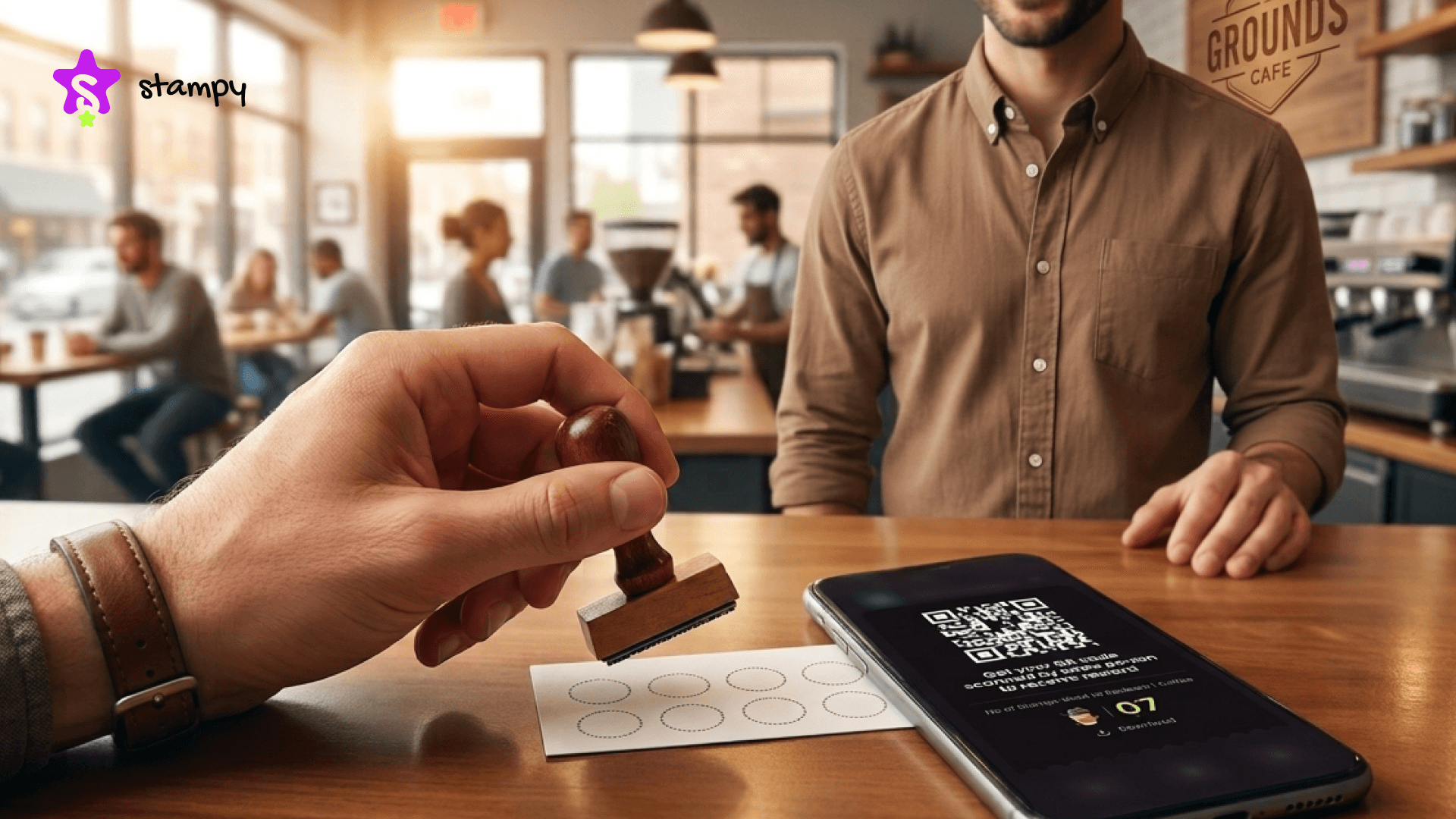
A salon can suggest when the next appointment should be booked. A coffee shop can give the customer their first loyalty stamp. A restaurant can mention an upcoming menu item or member reward. A retailer can point out a product that complements what the customer just bought.
The reason to return should be specific rather than vague.
"Come back sometime" has very little pull.
"You have already earned your first stamp toward a free drink" creates visible progress.
"You will probably need your next appointment in six weeks" creates a natural return window.
Small details like these make a second visit easier to imagine.
3. Invite Customers Into Your Loyalty Program at the Right Moment
A loyalty program can create continuity between the first and second visit.
Instead of the relationship ending when the transaction is complete, the customer leaves with progress toward something they can earn next time.
Keep joining simple and explain the benefit clearly. Customers should understand what they earn, how they earn it, and what the reward is without needing a long explanation.
If loyalty-program participation is low, see our guide on how to get more customers to join your loyalty program. It covers signup incentives, staff prompts, QR codes, visibility, and other ways to remove friction from enrollment.
4. Make Progress Visible From the First Visit
Customers are more likely to remember a loyalty program when they can see that they have already started.
For example:
1 of 8 stamps collected
is more useful than simply telling someone that your business "has a rewards program."
Visible progress gives the next visit a purpose. The customer is no longer starting from zero.
The reward also needs to fit how often customers normally visit. A coffee customer who visits several times per week can work toward a reward differently from a salon client who returns every six weeks.
If the reward takes so long that customers stop thinking about it, the program loses much of its value. Read the guide on why customers stop using loyalty cards covers reward effort, forgotten progress, friction, and other reasons customers disengage.
5. Follow Up Around the Natural Return Window
Not every customer should receive the same follow-up three days after buying.
Think about when they are naturally likely to need you again.
A regular coffee customer may return the next morning. A restaurant customer might return next week. A salon client may not need another appointment for a month or more. A car wash customer may depend on weather, driving habits, and season.
Use the normal buying cycle to guide your timing.
A well-timed reminder can simply bring the business back to mind at the point when the customer is already considering another purchase.
The message does not always need a discount. You can remind customers about loyalty progress, a new product, an upcoming appointment, a campaign, or something relevant to what they previously bought.
6. Make the Second Visit Feel Easier Than the First
A returning customer should not feel like a stranger starting again from zero.
Where appropriate, use what you learned from the first visit.
That might mean remembering an appointment preference, making loyalty progress easy to find, recognizing the service they previously booked, or helping them reorder something they already liked.
Personalization does not need to be complicated. The goal is simply to make the customer feel that their previous interaction matters.
This is where the difference between a satisfied customer and a genuinely loyal one begins to become clearer. Our guide to happy customers vs loyal customers explains why a good experience alone does not automatically create loyalty.
7. Keep the Experience Consistent
Customers build habits around businesses they trust to deliver roughly the same experience each time.
If the product is excellent one week and disappointing the next, or staff apply loyalty rewards differently depending on who is working, customers have more reason to reconsider their choice.
Consistency matters across:
service, product quality, loyalty earning, reward redemption, opening hours, booking, communication, and customer support.
A loyalty program should support the customer experience, not introduce new confusion into it.
8. After the Second Visit, Start Building the Habit
The second visit is a milestone, not the end goal.
Once a customer has returned, the focus moves from earning one more visit to building a pattern.
That might involve ongoing loyalty rewards, useful reminders, occasional member benefits, relevant campaigns, strong service, referrals, and consistent recognition.
At this stage, move the customer into your broader retention strategy rather than continuing to treat them like a brand-new visitor.
For more ideas at this stage, read how to get repeat customers: 10 strategies that work.
What Should You Offer to Encourage a Second Visit?
You do not always need a large discount.
A good second-visit incentive gives customers enough value to return without making the business dependent on permanent price cuts.
Examples include a first loyalty stamp, bonus progress toward a reward, a free add-on after a future qualifying visit, early access to something new, appointment rebooking, a member-only benefit, or a relevant offer connected to the customer's first purchase.
The right choice depends on the business.
A free add-on might work well for a café. A salon may benefit more from easy rebooking. A retailer might use loyalty progress or a related-product offer. A restaurant could encourage another visit through a visit-based reward.
What matters is that the incentive supports the behavior you actually want: another visit, not simply another discounted transaction.
First-Time Customer Retention Examples by Business Type
Business | First Visit | Reason to Return | Useful Loyalty Trigger |
Coffee shop | Customer buys their first drink | Progress toward a free item | First digital stamp |
Restaurant | Customer visits for a meal | Reward progress or another relevant offer | Visit-based reward |
Hair salon | First appointment | Next service is due | Rebooking + loyalty progress |
Nail salon | First treatment | Next appointment cycle | Visit reward |
Car wash | First wash | Vehicle needs another clean | Digital stamp |
Retail store | First purchase | Related purchase or future need | Spend or visit reward |
How to Measure First-Time Customer Retention
Overall repeat customer rate is useful, but it does not tell you everything about what happens immediately after acquisition.
For this article's goal, three measurements are particularly useful.
Metric | What It Tells You |
First-to-second visit rate | How many new customers return at least once |
Time to second visit | How long it normally takes customers to come back |
Repeat customer rate | The share of customers who buy more than once |
For example, if 200 people make their first purchase this month and 60 eventually return, your first-to-second visit rate for that group is 30%.
Time to second visit tells you something different. If customers normally return after 20 days, sending a reminder after two days may be unnecessary. If the typical gap starts growing, that may be an early sign that customers are losing interest.
Shopify's current retention guidance also identifies repeat purchase rate and time to second purchase as useful metrics for deciding where retention activity should focus.
Do not focus on finding one universal benchmark. A coffee shop, salon, restaurant, gym, and seasonal service business naturally have very different buying cycles.
Measure your own baseline, make an improvement, and compare results over time.
What If a First-Time Customer Still Doesn't Return?
Not every first-time customer will become a regular.
Some people were visiting from another area. Some only needed the product once. Others may choose a competitor or simply forget.
The important thing is to know when a normal return gap has turned into inactivity.
Do not treat every absent customer as lapsed after the same number of days. Base the decision on the typical buying cycle for your business.
If a customer moves beyond their normal return window, that is when a more specific re-engagement strategy becomes useful.
Check out our guide on how to win back inactive and lapsed customers covers customer segmentation, win-back offers, loyalty rewards, messaging, and reactivation in more detail.
How Stampy Helps Turn a First Visit Into a Repeat Visit
Stampy gives local businesses a simple digital way to carry loyalty from one visit into the next.
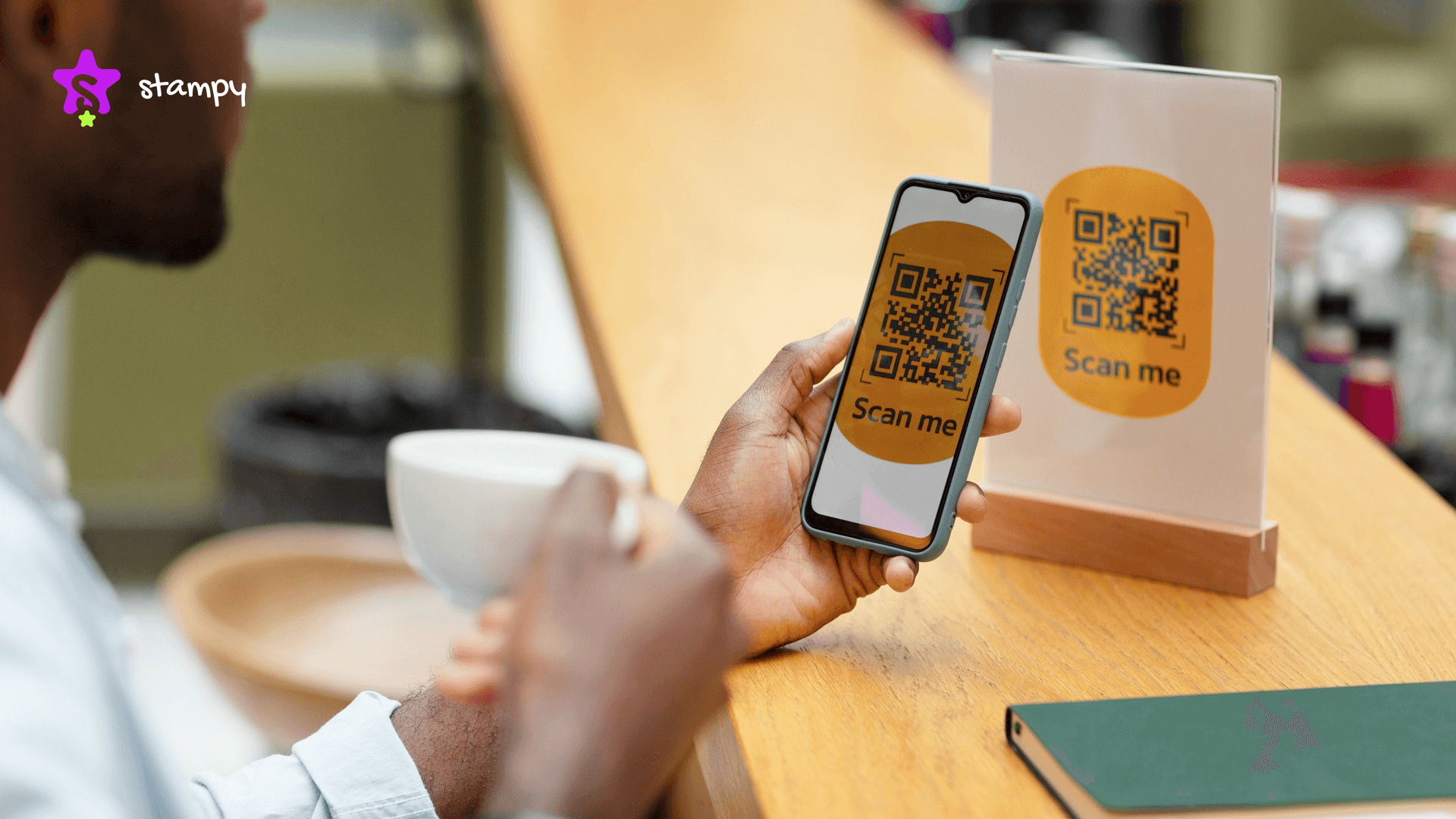
When a customer joins a Stampy loyalty campaign, they can collect stamps through a QR scan, see their progress toward a reward, and keep their loyalty activity on their phone. Businesses can create campaigns and rewards, send customer notifications, and track visits, rewards, redemptions, and other customer activity from the business dashboard.
That creates a simple journey:
First visit → first stamp → visible progress → reason to return → next stamp → reward
Instead of relying on the customer to remember a paper card or hoping they happen to return, the loyalty experience carries forward after the transaction.
Explore Stampy Features to see how digital stamps, campaigns, QR scanning, notifications, customer insights, and multi-location management work together.
Conclusion
Turning first-time customers into regulars does not happen through one big promotion. It happens by making the next visit easier to choose.
Give customers an experience worth repeating, create a clear reason to come back before they leave, make loyalty progress visible, and follow up when another visit naturally makes sense.
Then measure what happens between the first and second visit.
Once customers return, the relationship changes. They already know the business, they have more experience with what you offer, and you have another opportunity to make returning part of their normal routine.
Frequently Asked Questions
How do you turn a first-time customer into a regular?
Give the customer a good first experience, a clear reason to return, and an easy next step before they leave. Loyalty rewards, visible progress, timely follow-ups, and consistent service can all help move someone from a first visit to a second one.
Why don't first-time customers come back?
Customers may not return because they forget about the business, have no clear reason to choose it again, find another option more convenient, or do not see enough value in returning. A good first experience helps, but businesses still need to create a reason for the next visit.
How do you encourage a second purchase?
Connect the first purchase to something useful that comes next. This might be loyalty progress, an appointment reminder, a relevant product, a member benefit, or a reward available after another qualifying visit.
What is a good first-to-second purchase rate?
There is no single percentage that applies to every business. Purchase frequency varies widely by industry. A coffee shop naturally expects customers to return more frequently than a salon or high-ticket retailer. Track your current first-to-second rate and work on improving it over time.
How soon should you follow up with a first-time customer?
Follow up around the customer's natural return or repurchase window. A café may have a very short cycle, while a salon or service business may need to wait several weeks. Timing should reflect how customers normally use your product or service.
Do loyalty programs help bring customers back?
A loyalty program can give customers a structured reason to return by making progress toward a reward visible. It works best when the program is simple, the reward is relevant, and customers can understand how to earn it.
Should you offer a discount for the second visit?
Not necessarily. Discounts can work, but other incentives such as loyalty progress, free add-ons, early access, rebooking, or member benefits can also encourage another visit without reducing the price of every purchase.
How do you measure repeat customers?
Repeat customer rate measures the percentage of customers who buy more than once. For first-time customer retention, also track how many first-time customers make a second purchase and how long that second purchase normally takes.