
 10 min read


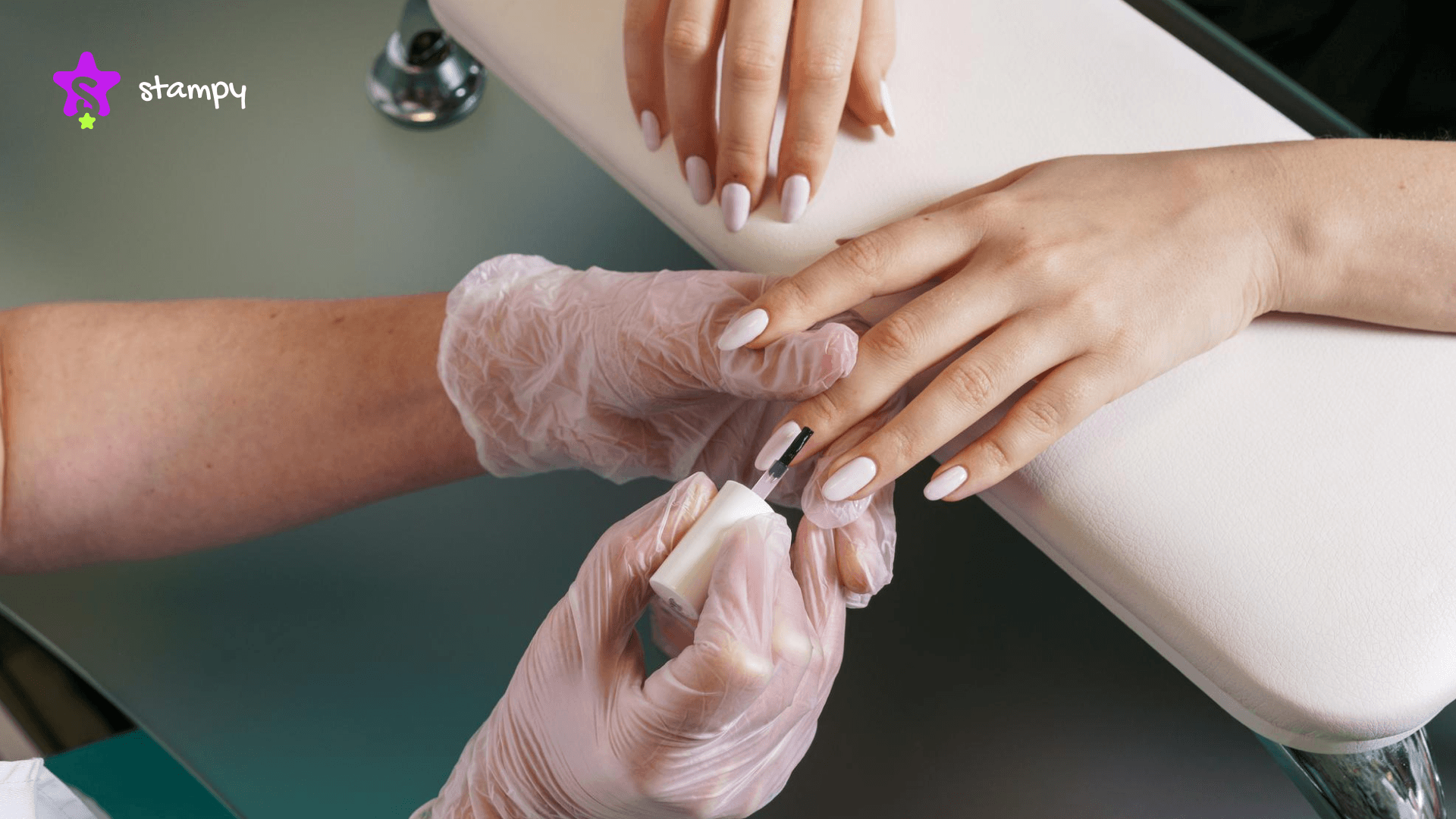

Every nail tech knows the feeling. A new client sits in your chair, you do a great set, they leave happy, snap a photo for their story, tag your salon, and then you never see them again.
It's one of the most frustrating parts of running a nail business. You're not short on talent, or you're not short on new faces walking through the door. What you're short on is the thing that actually pays the bills long-term: regulars.
Here's the truth nobody likes to admit. A full appointment book doesn't come from constantly chasing new clients. It comes from keeping the ones you already have, which is often where most businesses struggle due to patterns explained in why customers quietly stop engaging with loyalty systems in the first place.
So how do you actually get clients to stop "trying out" salons and start calling yours home? Let's get into it.
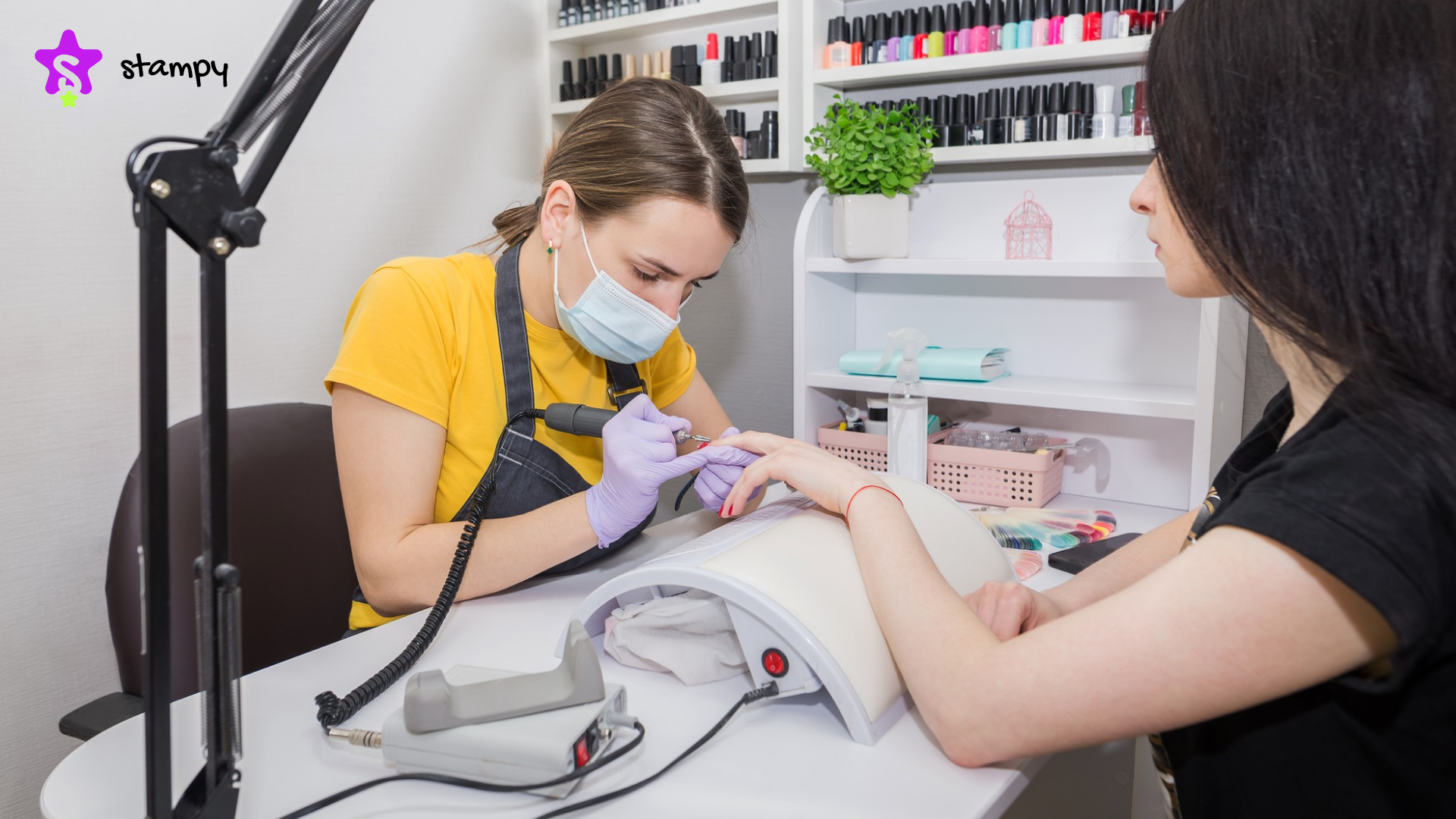
Why Clients Don't Come Back?
Before fixing the problem, it helps to understand it. Most salon owners assume people leave because of bad service. In reality, that's rarely the reason. Clients usually drift away because they simply forget you exist. No bad memory, no falling out, just out of sight, out of mind.
Other common reasons clients don't return:
- Booking felt like a hassle (no online option, slow text replies, unclear availability)
- They didn't feel remembered or personally cared for
- There was no real reason to come back versus trying somewhere new
- They never got a nudge to rebook before leaving
None of these is about your nail art. They're about the experience of nail art.
Make the First Visit Feel Personal, Not Transactional
A first-time client is sizing up your salon the entire time they're sitting in your chair, even if they don't realize it. Small moments matter way more than people assume.
Learn their name and actually use it. Ask what brought them in, what they usually go for, and whether they have a special event coming up. Jot down notes after the appointment, their preferred shape, their go-to color family, and whether they mentioned a wedding, a new job, or a vacation. Most booking systems let you store client notes, so use that feature.
Then, next time they book, greet them as you remember them. "Hi Sarah, how was the trip you mentioned last time?" lands completely differently than "Hi, what are we doing today?" One says you're a number, and the other says you're a person worth remembering.
Research on salon loyalty consistently shows that in-person personalization matters to the vast majority of salon regulars, and it's one of the cheapest retention tools you have, since it costs nothing but attention.
Make Rebooking Almost Effortless
Here's an uncomfortable truth: a lot of clients genuinely intend to come back, then life happens, and they forget. By the time they remember, they've already booked somewhere else out of convenience. Don't let "I'll book later" be the plan. Instead:
- Offer to book their next appointment before they leave your chair, especially if their nails typically need a refill in 2 to 3 weeks
- Use online booking so clients can grab a slot at 11 pm without texting you
- Send automated appointment reminders to cut down on no-shows and last-minute cancellations
- If they don't rebook on the spot, follow up with a friendly message a few weeks later
The goal isn't to be pushy. It's to remove every tiny bit of friction between "I liked this" and "I'm booked again."
Stay in Touch Without Becoming Annoying
There's a sweet spot between "this salon ghosted me" and "this salon won't stop texting me." Aim for that middle ground.
A simple thank-you message within a day of their visit goes a long way. Something like "Thanks for coming in today, hope you're loving your new set" does more than people expect. It reminds them you exist, shows you care beyond the transaction, and keeps the door open for next time, all without sounding like a sales pitch.
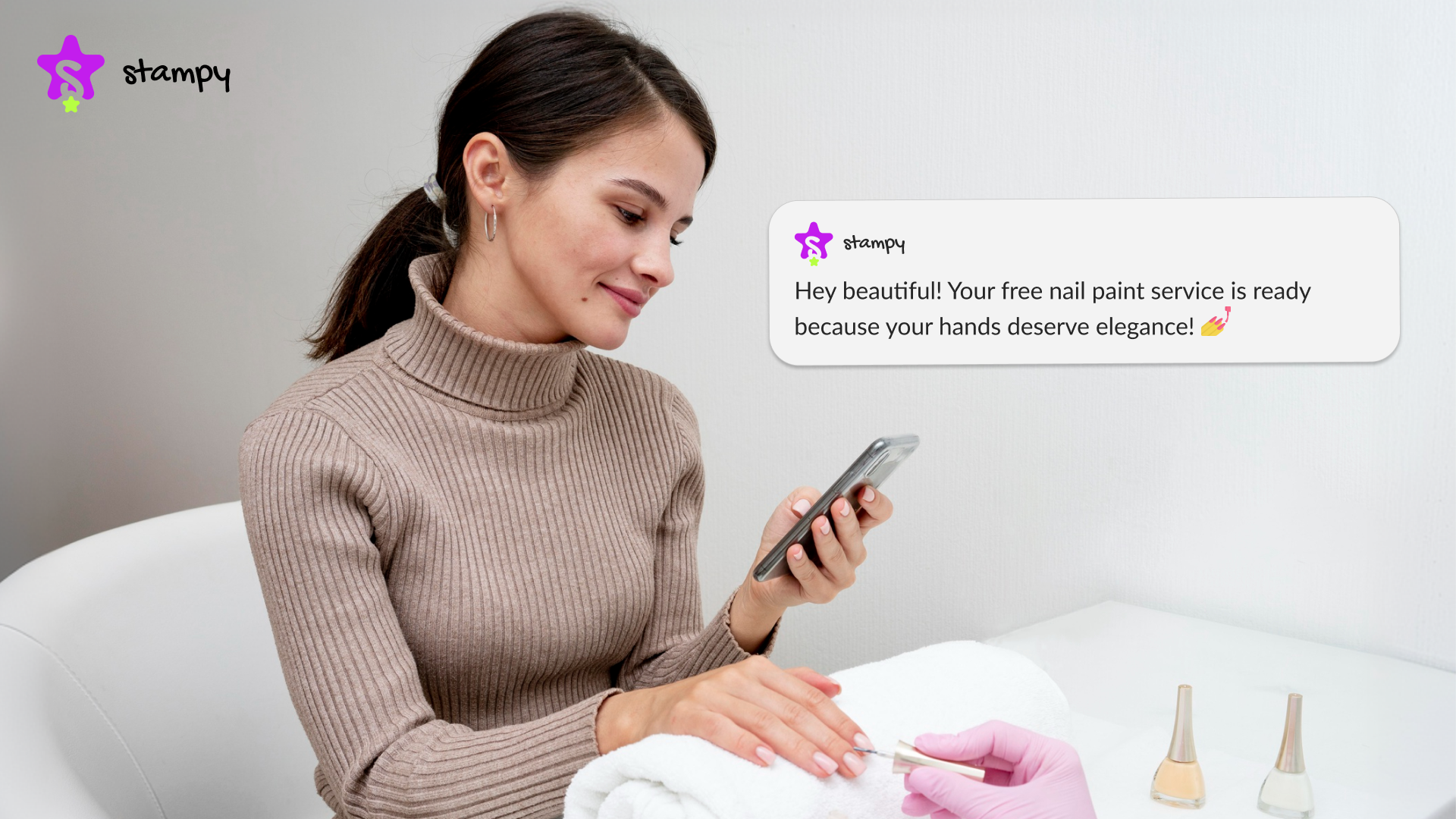
Save the discounts and promos for separate messages. When every text from you includes a coupon, clients start to feel like a sales target instead of a guest. Mix in genuinely useful messages too, aftercare tips, gentle reminders about when their next fill is typically due, or a heads-up about a new color collection. It keeps your salon on their radar in a way that feels helpful rather than salesy.
Build a Loyalty Program People Actually Want to Use
Loyalty programs work, but only if they feel achievable. The same principles apply across beauty businesses, especially when designing systems like a well-structured nail salon loyalty program that clients actually enjoy using long-term.
Keep it simple:
- A stamp card where a free add-on or discount comes after 5 or 6 visits
- A small birthday treat, like a complimentary nail art accent or a discount that month
- An occasional "regulars only" perk, like first access to new seasonal designs
The point of a loyalty program isn't really the reward. It's the psychological nudge, and once someone's three stamps are in a card, they're far less likely to switch salons, because switching means starting over.
What Kind of Rewards Should You Actually Offer?
Once you've decided to build a loyalty program, the next question is what to actually give clients. Not every reward works for every salon, so it helps to mix a few types depending on your budget and the kind of clients you serve.
1: Discount-based rewards: These are the easiest to set up and the most familiar to clients. A percentage off after a certain number of visits, or a flat dollar amount off their next set. Keep the math simple, something like 10% off the 6th visit works better than a confusing tiered system nobody bothers to track.
2: Free add-ons or upgrades: Instead of cutting your price, give something extra. A free nail art accent, a paraffin wax dip, a longer hand massage, or an upgrade from regular polish to gel. These feel more like a treat than a discount, and they let clients experience services they might not normally pay for, which can turn into a future paid upsell.
3: Free full service after a set number of visits: A classic "book 5, get the 6th free" structure. This works especially well for clients who already come in regularly, since it rewards a habit they were going to keep anyway rather than trying to create a new one.
4: Birthday and anniversary perks: A small free add-on, a discount valid during their birthday month, or a handwritten note when it's their salon anniversary. These don't need to be expensive. The point is that it feels personal and unexpected, which sticks in someone's memory far longer than a generic coupon.
5: Referral rewards: Give something to both sides of the referral, not just the new client. A discount for the friend who's trying you for the first time, and a reward for the regular who sent them your way. This doubles as a marketing tool and a loyalty perk at the same time.
6: Exclusive or early access perks: Let your most loyal clients book new seasonal designs, limited color drops, or holiday slots before anyone else gets the chance. This costs you nothing extra to offer, but it makes regulars feel like insiders rather than just another appointment on the books.
7: Surprise, unannounced rewards: Occasionally, skip the formal program altogether and just surprise a regular with something extra, no card to fill, no points to track. A free accent nail "because we loved doing your set today" can do more for loyalty than a planned reward ever could, simply because it feels genuine rather than transactional.
A good mix usually includes one structured reward like a stamp card alongside a few unstructured surprises sprinkled in. The structure gives clients something to work toward, while the surprises keep the relationship feeling human instead of mechanical.
Turn Your Regulars into Your Marketing Team
Loyal clients are walking advertisements, but only if you give them a reason to talk about you. Word-of-mouth and referrals remain some of the most trusted forms of marketing precisely because they come from someone the new client already trusts.
A few ways to encourage this naturally:
- Offer a referral perk, such as a discount for both the regular and the friend they bring in
- Ask happy clients for a quick Google or Instagram review right after a set they love
- Feature their nails on your salon's social page (with permission) and tag them. People love being shown off
This works two ways: it brings in new clients who arrive already warmed up by a friend's recommendation, and it makes your existing regulars feel like part of something, not just a paying customer.
Create Small Moments That Feel Like a Treat
Sometimes the difference between "fine" and "I'm obsessed with this salon" comes down to tiny extras. A quick hand massage during the appointment. A surprise accent nail nobody charged extra for. A genuinely comfortable chair and good music instead of dead silence.
These little touches don't cost much, but they shift how a visit feels in someone's memory. A regular manicure becomes something they look forward to, almost like a small ritual, rather than just a chore on their to-do list.
Keep Your Online Presence Active and Inviting
Even loyal clients check social media before deciding where to book next, especially if it's been a while since their last visit. This behavior is closely tied to how modern reward systems are evolving beyond traditional setups like paper punch cards that often fail to keep customers digitally engaged over time
Post your actual work regularly, behind-the-scenes moments, and the occasional client shoutout. Respond to comments and DMs quickly. Keep your booking link visible everywhere: bio, story highlights, and Google Business profile. The easier it is to find you and book in under a minute, the fewer clients slip away simply out of inconvenience.
The Bottom Line
Turning one-time clients into regulars isn't about a single trick. It's a mix of small, consistent habits: remembering details, making rebooking effortless, staying in touch without overdoing it, and rewarding loyalty in ways that actually feel rewarding. None of it requires a huge budget. Most of it just requires attention and consistency.
Do this well, and you stop chasing new clients to fill gaps in your schedule. Instead, your regulars fill it for you, month after month, while bringing their friends along too.
Frequently Asked Questions
How long does it usually take to turn a new client into a regular?
It varies, but most clients form a habit after 3 to 4 visits with the same tech or salon. That's roughly the point where they stop "trying out" places and start defaulting to you, especially if their experience has been consistent each time.
What's the single most effective thing a nail tech can do for retention?
Remembering personal details and following through on rebooking. Clients return to people who make them feel known, and they stay because booking again is easy, not because of any one flashy gesture.
Do loyalty programs actually work for small or independent nail salons?
Yes, even a simple paper stamp card can work well for solo techs or small salons. The key is keeping the reward achievable, around 5 to 6 visits, so clients feel real progress instead of giving up halfway.
How often should I message past clients without being annoying?
A good rule is one helpful or personal touchpoint between visits, like a thank-you note or a rebooking reminder, rather than frequent promotional texts. Save discount-heavy messages for occasions like birthdays or slow seasons.
Is it worth offering discounts to get clients to become regulars?
Discounts can help attract first-time bookings, but they rarely build loyalty on their own. Clients become regulars because of how they're treated, not because of a one-time price
