13 min read



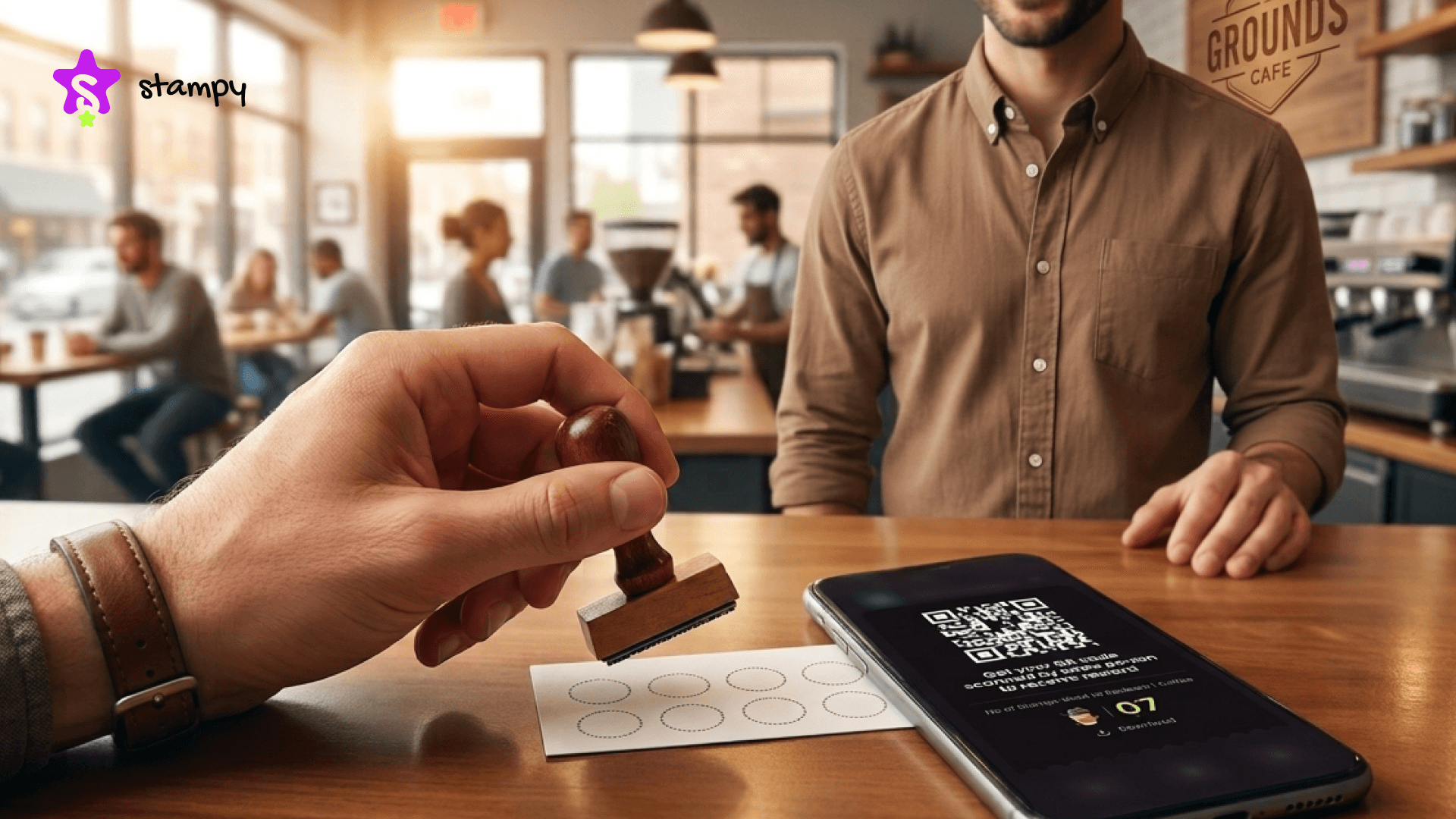
Loyalty Is No Longer Optional; A small cafe owner spent three months running paid ads, first-visit discounts, and social media campaigns to pull in new customers every week. New faces came in, bought coffee, looked around, and quietly disappeared. Meanwhile, thirty-two regulars were walking in three or four times a week with zero incentive. Nobody had tracked them, or nobody had thanked them. Nobody had said a word when they came in for the fourth time in a row.
Those thirty-two people were quietly generating most of the cafe's monthly revenue. When the owner finally sat down with the numbers, it hit like a cold glass of water: not a single dollar of the marketing budget was pointed at the people who had already decided to stay.
Growth doesn’t come from constant new traffic. It comes from people who have already chosen you to come back more often.
He stopped chasing strangers and started paying attention to the regulars. He introduced a simple stamp program, started remembering names, and sent a birthday offer to anyone who had visited three or more times. Within two months, revenue steadied, referrals picked up, and the café felt different, like a place with actual regulars rather than a revolving door of one-time visitors.

Some version of that story plays out in businesses across every industry, usually for longer than anyone wants to admit. It always starts with the same blind spot: paying more attention to strangers than to the people who have already chosen you.
The Ground Has Shifted, Loyalty Changed With It
The importance of customer loyalty has always been real, and in 2026, it has become impossible to ignore.
Old loyalty tools don’t work the way they used to:
- Generic points programs feel forgettable
- Mass email rewards get ignored
- One-size-fits-all discounts don’t build attachment
Customers don’t want “programs.” They want recognition that feels real
The Numbers That Make the Case
This is the one section where the data deserves to be front and center, because it changes how you think about almost every other business decision.
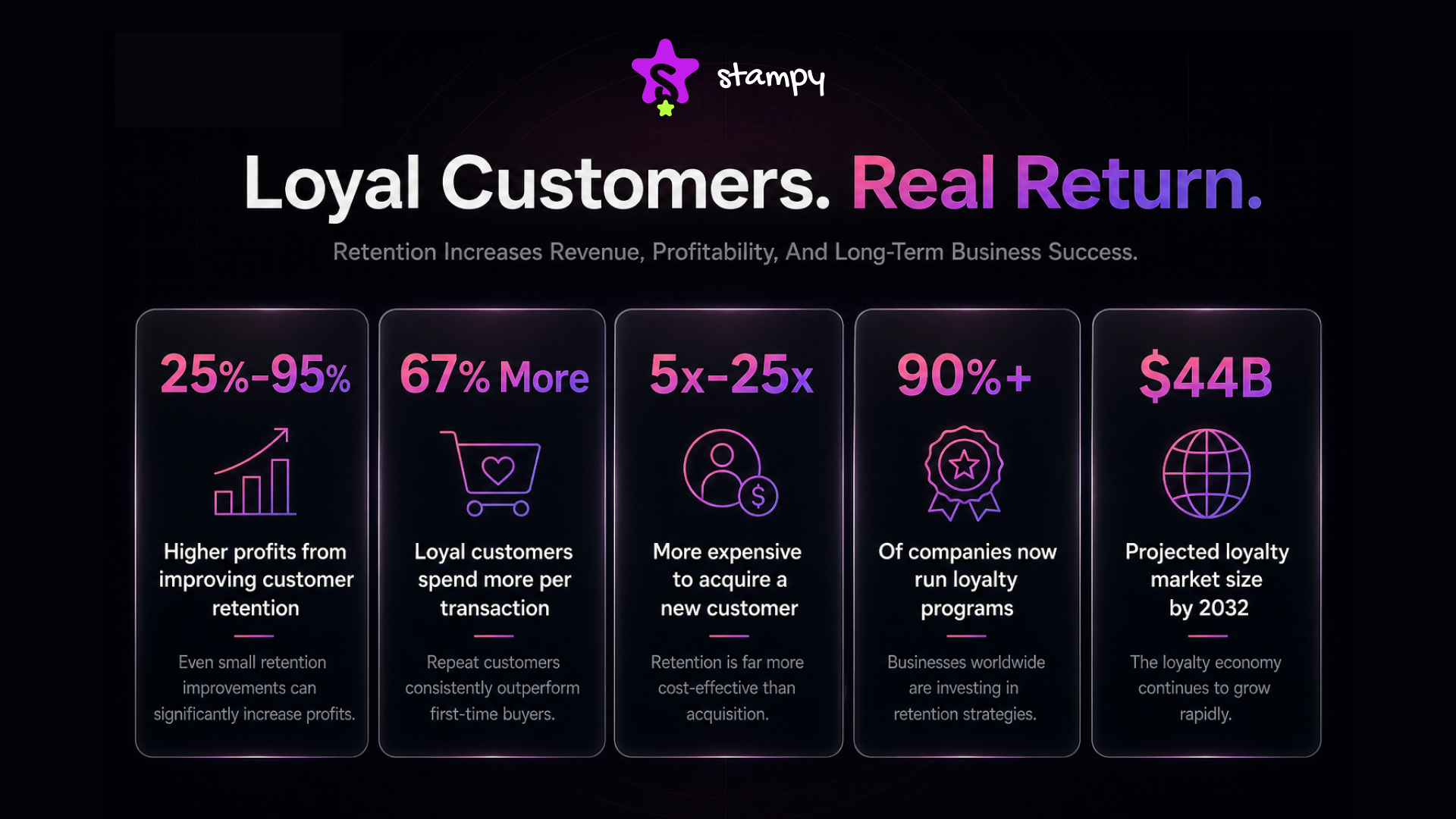
A five percent improvement in customer retention can grow profits anywhere from 25% to 95%, depending on the industry. Existing customers account for around 65% of total company revenue for most businesses. Loyal customers spend approximately 67% more per transaction than a first-time visitor. Loyalty program members specifically spend up to 40% more than customers who are not enrolled in any program at all.
On the cost side, acquiring a new customer costs five to twenty-five times more than keeping an existing one. The probability of converting an existing customer into a repeat purchase sits between 60% and 70%, compared to just 5% to 20% for a brand-new prospect. Companies focused primarily on retention rather than acquisition are, on average, 60% more profitable.
The loyalty program market itself reflects how seriously this is being taken globally. The global loyalty management market is projected to hit $44 billion by 2032. More than 90% of companies worldwide now run some form of rewards program. The investment is happening because the returns are real, not because it sounds good in a strategy presentation.
Why Loyal Customers Are Your Best Marketing Channel
Every loyal customer who tells a friend, leaves a review, or sends someone your way is doing marketing work you did not pay for and cannot easily replicate through any campaign. Word of mouth has always been powerful. In a world where people trust people far more than they trust ads, it has become the most reliable growth channel available to most businesses.
The customers that regulars bring in arrive differently. They come pre-warmed, already trusting you because someone they respect made the introduction. They convert more easily, stay more forgiving when something minor goes wrong, and are more likely to become regulars themselves.
This is one of the most underappreciated customer loyalty benefits and the compounding effect of people who genuinely advocate for your business. You cannot manufacture that with a bigger ad budget. You earn it by doing right by the people already in your corner.
The Problem With Points Nobody Redeems
Here is something most loyalty program operators do not want to look at too closely. More than half of all loyalty points earned globally go unredeemed. Customers sign up for programs, collect a few points, and then quietly stop engaging. The program exists, technically, but it is not actually changing behavior or building any real relationship.
The reason is that most loyalty programs are still built around big milestones. Spend two hundred dollars, get a reward. Visit ten times, earn a free item. These structures are not wrong on their own, but they miss something important: the journey between milestones is where loyalty habits actually form.
What loyalty thinking in 2026 is calling "minorstones" is worth understanding here. The idea is that small, meaningful moments along the customer journey deserve recognition, not just the big ones. These include moments like:
- Signing up for your loyalty program for the first time
- The first visit after joining, when the relationship is still fragile and needs reinforcement
- A third or fifth consecutive visit, not just the tenth
- A birthday or anniversary signals that you are paying attention to them as a person
- Sharing a referral or leaving a review, which deserves acknowledgment beyond just the points it earns
When these smaller moments are acknowledged, even modestly, customers stay connected to your business between the major rewards. They feel seen rather than merely processed. The businesses that are getting loyalty right are not necessarily running the most sophisticated programs. They are the ones recognizing customers more often, at more points along the journey, in ways that feel personal rather than automated.
What Actually Drives Customers to Stay
Most businesses assume price is the primary driver of loyalty. The research consistently tells a more nuanced story. Three things matter most, and they build on each other in a specific order.
- Rewards and recognition come first. Customers want to feel that their continued business is noticed and valued. A well-timed reward, a surprise upgrade, or even a simple acknowledgment of a return visit communicates that you are paying attention. Small gestures, delivered at the right moment, land better than large rewards delivered impersonally
- Trust compounds everything over time. A customer who trusts your brand does not check competitor prices before every visit. They extend goodwill when something goes slightly wrong. They come back even when a discount is available elsewhere, because the relationship has built a kind of inertia that a better deal alone cannot disrupt. Trust is slower to build than a points balance, but it is also far harder for a competitor to take away.
- Consistency is the foundation underneath both. Loyalty is built on predictability. Customers return when they know what to expect, and when what they expect is genuinely good, every time, across every visit, every location, every interaction. A single inconsistent experience can quietly undermine months of relationship-building without the customer ever telling you why they stopped coming back.
Personalization threads through all three. Sending the same generic message to every customer on your list is increasingly ignored. What actually moves the needle is recognition that reflects someone's actual history with you, their preferences, their visit frequency, delivered at the right moment rather than at whatever cadence is most convenient for your schedule.
How Platforms Like Stampy Make This Practical
Understanding the importance of customer loyalty is one thing. Having a practical way to act on it without a marketing team, without a loyalty analyst, without a complicated setup, is a different problem.
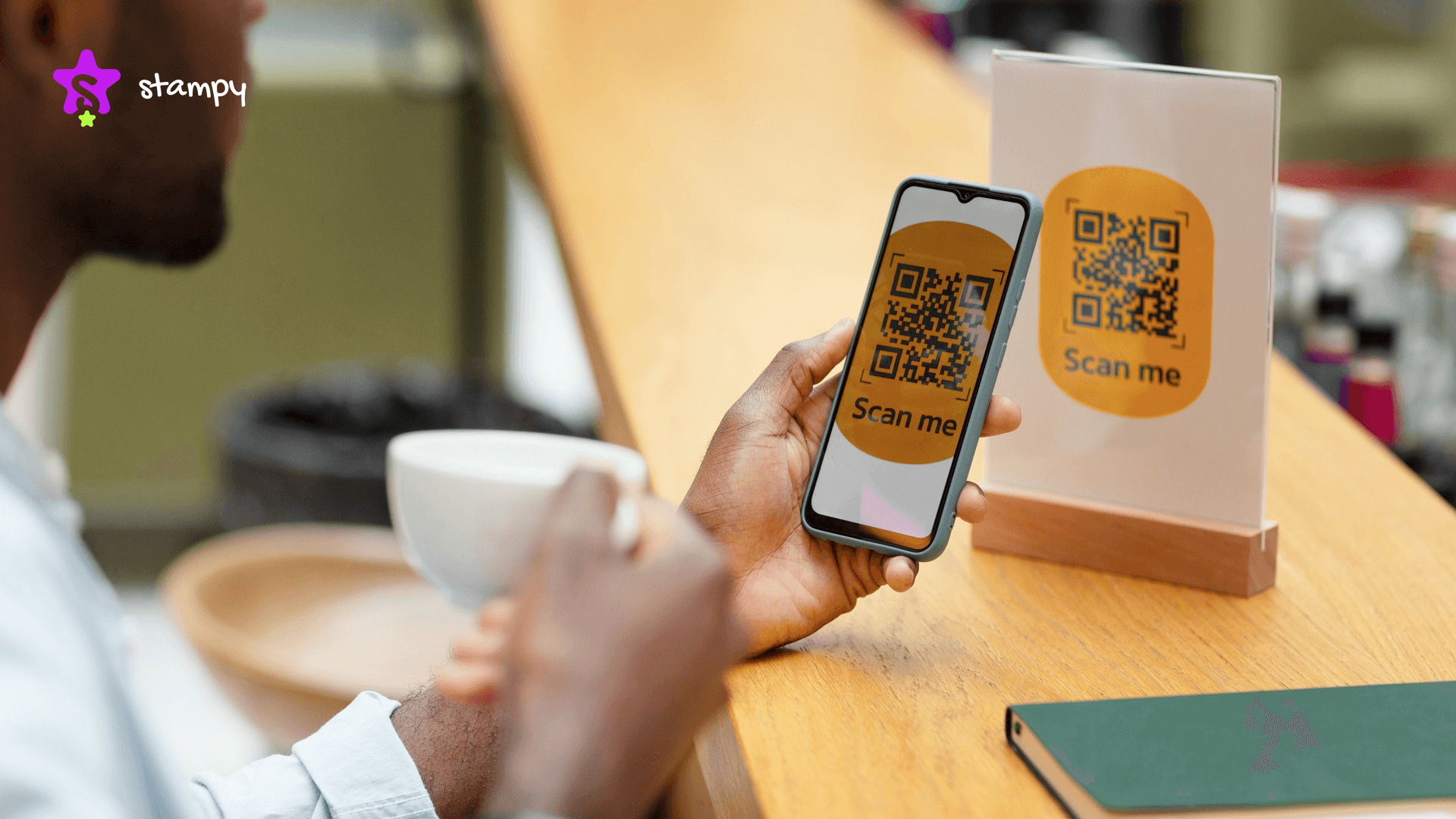
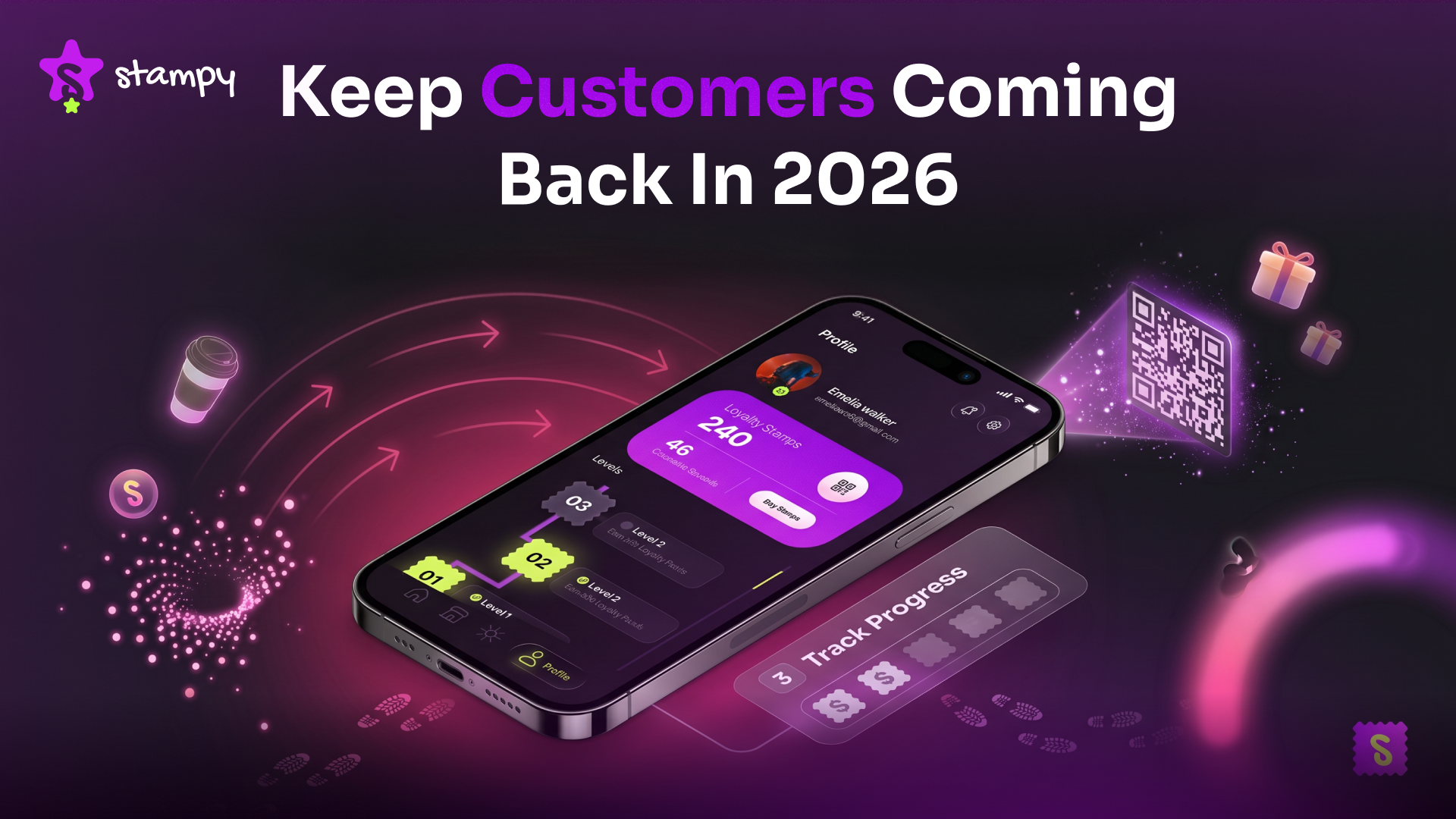
Stampy is a mobile-based digital loyalty and rewards platform built to connect customers with local and chain businesses through location-based discovery and QR-code-enabled campaigns. It replaces the paper stamp card, which customers lose in their wallets and forget about by Tuesday, with a trackable digital experience that lives on their phone and updates in real time.
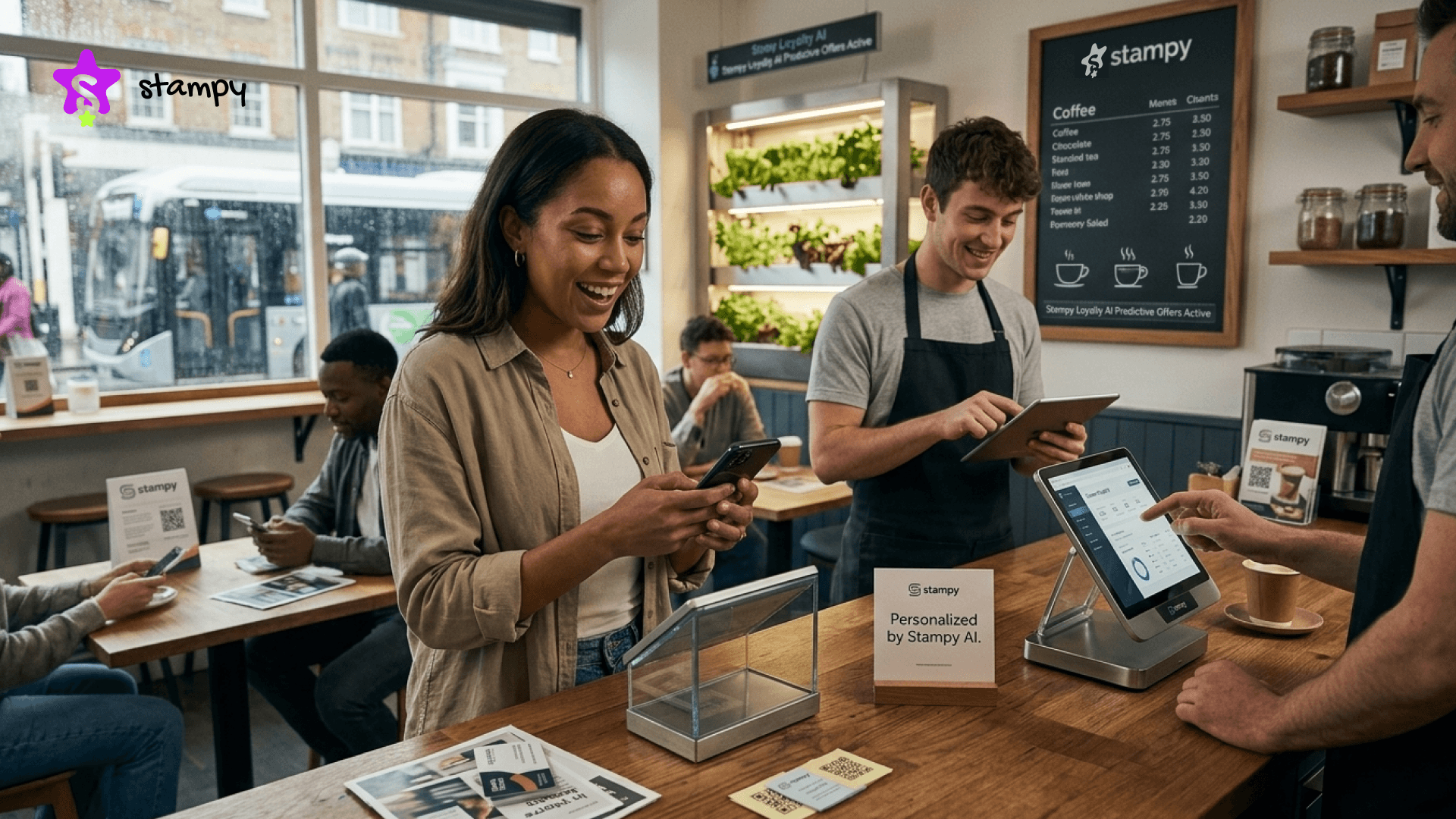
Coffee shops, restaurants, salons, and retail stores can run reward-based campaigns without any technical expertise. Customers find nearby participating stores through the app, browse active campaigns, and collect stamps when a salesperson scans their unique QR code at the point of purchase. Progress updates automatically. Redemption history is stored. The friction that normally kills loyalty programs at the execution stage is removed before it can do damage.
Want to build customer loyalty without a marketing team or a big budget? Stampy was built for businesses facing exactly this challenge.
The Metrics Worth Watching
The two numbers most worth tracking are simpler than most businesses expect.
Retention rate, the percentage of customers who return within a defined window, is the clearest signal of how your experience and reward structure are working together. When it is climbing, something is connecting. When it starts dropping, the relationship has begun breaking down before any customer says a word about it directly.
Customer lifetime value tells you what a single customer is actually worth across the full span of their time with your business. When loyalty improves, that number goes up, and the improvement flows directly into profitability in a way that is hard to argue against once you see it tracked over time.
Businesses using platforms like Stampy have access to real-time campaign data, scan histories, and redemption tracking across all branches simultaneously. That turns loyalty measurement from a quarterly estimate into a daily operational signal, the kind that lets you catch a problem early rather than only after a customer has already left.
How Small Businesses Can Improve Customer Retention in 2026
Knowing why customer loyalty matters is one thing. Knowing what actually to do on Monday morning is another. The good news is that the businesses winning at retention in 2026 are not doing anything wildly complicated. They are doing a handful of things consistently and doing them better than their competitors.
1. Make it easy to come back
Friction is the quiet killer of loyalty programs. If joining your rewards program requires downloading a separate app, filling out a lengthy form, or carrying a physical card that gets lost in a wallet, most customers will not bother, and the ones who do will quietly stop engaging within a few weeks. The simpler the experience, especially on mobile, the more customers will actually use it. Every unnecessary step between a customer and their reward is a step where you lose them. Remove those steps before they become reasons to stop coming back.
2. Reward customers more often, not just at the finish line
Most programs are built around big milestones: spend a certain amount, unlock a reward. That structure is fine, but it leaves long stretches of the customer journey completely unacknowledged. The first visit after signing up, the fifth consecutive visit, a birthday, a referral, these moments matter, and they deserve recognition even when they do not hit a major threshold. Small, frequent rewards build the habit of returning. Waiting too long between meaningful touchpoints gives customers plenty of time to forget you exist.
3. Stay in their minds between visits
Out of sight genuinely is out of mind, especially when a competitor is actively sending offers to the same customer. A well-timed message, a gentle reminder after two weeks of inactivity, a birthday treat, a limited-time offer on something they have bought before, does not feel intrusive when it is relevant. What feels intrusive is the generic blast that every single customer on a list receives at the same time, regardless of their history. Personalized communication, even simple personalization, consistently outperforms generic marketing in both open rates and actual spend driven by loyalty members.
4. Make consistency non-negotiable
Loyalty is fundamentally built on predictability. Customers return when they know what to expect and when what they expect is reliably good across every visit, every team member, every location. One inconsistent experience does not always end a relationship immediately, but it introduces doubt. And doubt, once planted, tends to grow quietly until the customer finds a reason to test whether a competitor is more dependable. Consistency is not exciting. It does not make headlines. But it is the single thing most responsible for whether a customer becomes a regular or a one-timer.
5. Use your data instead of just collecting it
The businesses pulling ahead on retention in 2026 are not necessarily the ones with the most sophisticated tools. They are the ones actually looking at the data they already have. Visit frequency, response to offers, drop-off points in the loyalty journey, campaign redemption rates, these signals tell you exactly where relationships are strengthening and where they are quietly cooling. Even basic data collected through a loyalty platform like Stampy can transform how you engage with customers, if you treat it as a decision-making tool rather than a reporting formality.
Loyalty Is the Strategy, Not the Afterthought
The businesses that come out ahead this year are not necessarily the biggest or the best-funded. They are the ones that genuinely invest in the customers who already chose them, building something that makes coming back feel worth it, visit after visit, month after month.
Loyalty in 2026 is not a paper card. It is not a points balance nobody checks. It is not a birthday email sent to a list of fifteen thousand people who cannot remember signing up. It is the accumulated experience of being consistently treated well by a business that remembers you, and that turns a one-time visitor into someone who tells five other people where to go.
The tools to build are more accessible than they have ever been. The only question is whether the customers who already chose you are getting the attention they actually deserve.
With inflation reshaping how consumers spend globally, repeat customers are no longer a marketing nice-to-have; they're how businesses survive and grow.
Frequently Asked Questions
Why is customer loyalty important?
Loyal customers spend more, cost less to retain, and bring in new customers without being asked. They create stable, predictable revenue that does not disappear the moment a competitor runs a sale. For any business trying to grow without burning through acquisition budgets, loyalty is the foundation, not an afterthought.
What are the benefits of customer loyalty?
Higher revenue per customer, lower marketing spend, stronger word-of-mouth, and a more resilient business during slow periods. Loyal customers also provide honest feedback that helps businesses improve in ways that attract even more returning customers over time.
How does customer loyalty affect business?
It shows up in purchase frequency, average spend per visit, and referral volume. The effect compounds quietly over time, which is why businesses that take retention seriously tend to look dramatically different financially from those that chase acquisition month after month without ever looking back at who is already in the room.
Why is customer retention more important than acquisition?
Because every customer you keep is one you do not have to find and convince all over again. Existing customers convert more easily, spend more, and cost far less to serve. Retention builds revenue you can count on. Acquisition builds a treadmill that requires you to start over every time.
How do you measure customer loyalty?
Retention rate, customer lifetime value, purchase frequency, and redemption rates inside a loyalty program are the most useful indicators. Platforms like Stampy give businesses real-time visibility across all of these for every branch and campaign simultaneously, turning measurement from a quarterly exercise into a daily signal.
What drives customer loyalty?
Consistent good experiences, genuine recognition at meaningful moments, and trust built across multiple interactions over time. Customers who feel seen and appreciated come back without needing to be bribed into it. Those who feel like just another transaction start looking for alternatives the moment something slightly better appears.