11 min read





Key Takeaways
- A lapsed customer is someone who has stopped purchasing or visiting after a period of regular activity with your business.
- Winning back inactive customers can be more cost-effective than acquiring entirely new customers through paid channels.
- Segmenting lapsed customers by how long they have been inactive determines which approach and offer is most appropriate.
- Loyalty rewards are one of the most effective tools for reactivating customers without relying entirely on discounts.
- Customers who do not respond to a structured win-back sequence should be removed from active lists to protect deliverability.
Every business loses customers over time. Some leave for a competitor, some simply get busy and drift away, and others stop engaging without any obvious reason that shows up in the data. The instinct is usually to focus on finding new customers to replace the ones who have gone quiet.
But that instinct is expensive. Winning back a lapsed customer can be more cost-effective than acquiring a new one because the relationship and trust already exist from their previous experience with the business.
This guide covers everything a business needs to know about identifying inactive customers, understanding why they left, and running a win-back campaign that actually brings them back rather than simply going through the motions of sending a generic discount email that gets ignored.
Whether you run a café, a salon, a gym, or any other small business that depends on repeat visits, the strategies here give you a practical framework for turning lapsed customers back into regulars.
What Are Inactive and Lapsed Customers?
Inactive and lapsed customers are people who have previously purchased from or visited a business but have not done so within a defined period that falls outside their normal purchase cycle.
The definition of lapsed varies by business type. A café customer who has not visited in six weeks might be considered lapsed when that person typically visited twice a week. A seasonal service business might not consider a customer lapsed until they have missed an entire annual cycle. What matters is identifying the gap between a customer's typical behaviour and their current silence rather than applying a fixed time period to every customer regardless of their individual pattern.
Why Do Customers Become Inactive?
Customers become inactive for reasons that are not always visible in transaction data but are worth understanding before deciding how to respond to the absence.

Some customers leave because a competitor offered something better or more convenient at the right moment. Others simply formed a new habit and stopped thinking about the previous business without any strong negative feeling attached to the decision. Price sensitivity, a single poor experience that was never addressed, a change in personal circumstances, or simply forgetting that the business exists are all common reasons that show up repeatedly when lapsed customers are actually asked why they stopped coming back.
One way to prevent customers from drifting away is to make your loyalty program easy to join and give them a clear reason to participate from their first visit.
How Do You Identify Inactive Customers?
Inactive customers are identified by comparing each customer's last visit or purchase date against their historical visit frequency and flagging anyone who has exceeded their normal gap without returning.
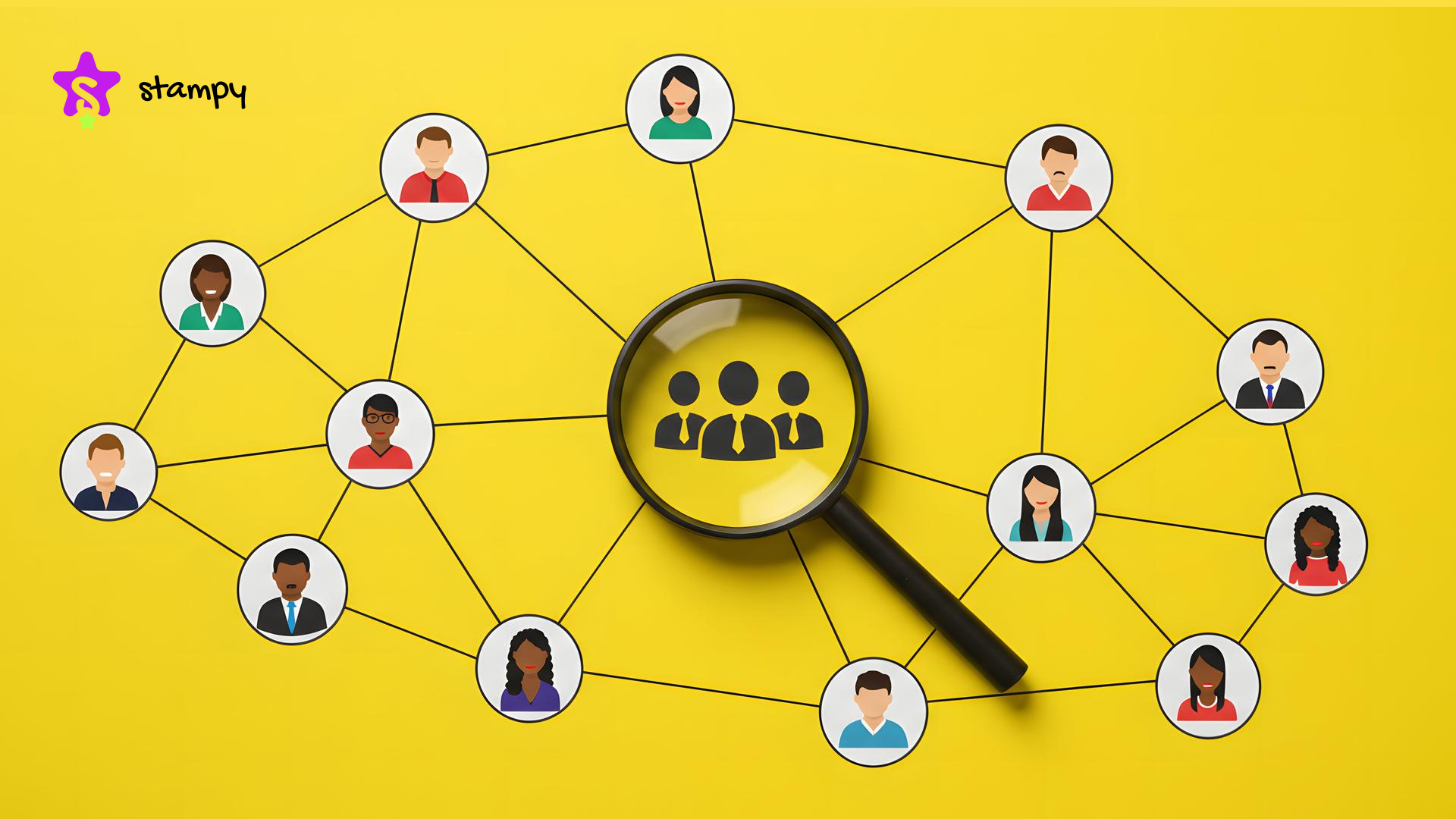
A Stampy loyalty program makes this considerably easier because it records every visit and purchase automatically. The data produced by a loyalty system allows a business to see exactly which customers are approaching the inactive threshold, which have already crossed it, and which have been gone long enough to require a different approach from someone who lapsed only recently.
How to Win Back Inactive and Lapsed Customers
Reactivating lapsed customers requires a structured approach that matches the offer and message to where each customer actually is in their inactivity rather than treating every lapsed customer as a single uniform group.
Getting lapsed customers to return is part of a broader repeat customer strategy, especially for businesses that depend on regular visits and purchases.

1. Segment Customers Based on How Long They Have Been Inactive
Customers lapsed for six weeks need a different message from those who have been gone for six months. Recent lapsed customers are warmer and require less of an incentive to return. Long-term lapsed customers need more compelling reasons and a different framing to reconnect with the business effectively.
2. Use Previous Customer Behaviour to Personalise the Win-Back Offer
A customer who always ordered the same item or used the same service should receive an offer connected to that specific behaviour rather than a generic promotion sent to everyone. Personalisation signals that the business actually remembers who they are and what they valued, which is a stronger pull than any discount applied without context.
3. Give Customers a Reason to Come Back
The win-back offer needs to provide a specific, concrete reason to return rather than simply reminding the customer that the business exists. A limited-time offer, a new product or service they have not tried, or a reward milestone they are close to completing all give the customer something to act on rather than something to acknowledge and ignore.
4. Use Loyalty Rewards to Reactivate Inactive Customers
A loyalty reward is one of the most effective win-back tools because it ties the return to progress the customer has already made rather than an external discount that could be offered by any competitor. Telling a lapsed customer they are two visits away from a reward they have been building creates momentum that a simple discount message does not produce in the same way.
5. Send the Win-Back Message Through the Right Channel
The channel that worked for regular communication may not be the right channel for a win-back message. Push notifications through a loyalty app, SMS, and email each reach customers differently and perform differently depending on the customer's engagement history with each format. Test which channel produces the best response from lapsed segments before committing to one approach for the full campaign.
6. Write a Win-Back Message That Gives Customers a Clear Reason to Return
A good win-back message acknowledges the gap without being dramatic about it, offers something specific and time-limited, and makes the next step obvious and easy to take. It should feel personal rather than automated even when it is part of a larger campaign sequence running across thousands of contacts simultaneously.
7. Use a Short Win-Back Sequence
A single message is rarely enough to win back a lapsed customer who has developed a habit of not visiting. A short sequence of two or three messages spaced several days apart gives the campaign multiple chances to land at a moment when the customer is receptive without becoming repetitive or irritating enough to prompt an unsubscribe.
8. Give Long-Term Lapsed Customers a Different Approach
A customer who has been inactive for twelve months or more needs a fresh introduction rather than a nudge. Position the message around what has changed, what is new, and why now is a good time to return rather than simply referencing their previous visits as if nothing significant has passed since they last engaged.
9. Ask Inactive Customers What Would Bring Them Back
Improving lapsed customer engagement can start with a short, direct question asking inactive customers what would make them return. This produces genuinely useful information and can encourage re-engagement simply by demonstrating that the business values their opinion. Customers who feel heard are more likely to give the relationship another chance than those who only receive promotional messages.
10. Remove Customers Who Are No Longer Engaged
Customers who do not respond to a structured win-back sequence after multiple attempts should be suppressed from active campaign lists. Continuing to send messages to unresponsive contacts damages deliverability, skews campaign performance data, and wastes send volume on people who have effectively ended the relationship regardless of whether they have formally unsubscribed.
How to Set Up a Loyalty-Based Win-Back Campaign
A loyalty-based win-back campaign uses the data and communication tools built into a loyalty program to identify lapsed members and send targeted reactivation messages automatically without requiring manual list management for each campaign cycle.
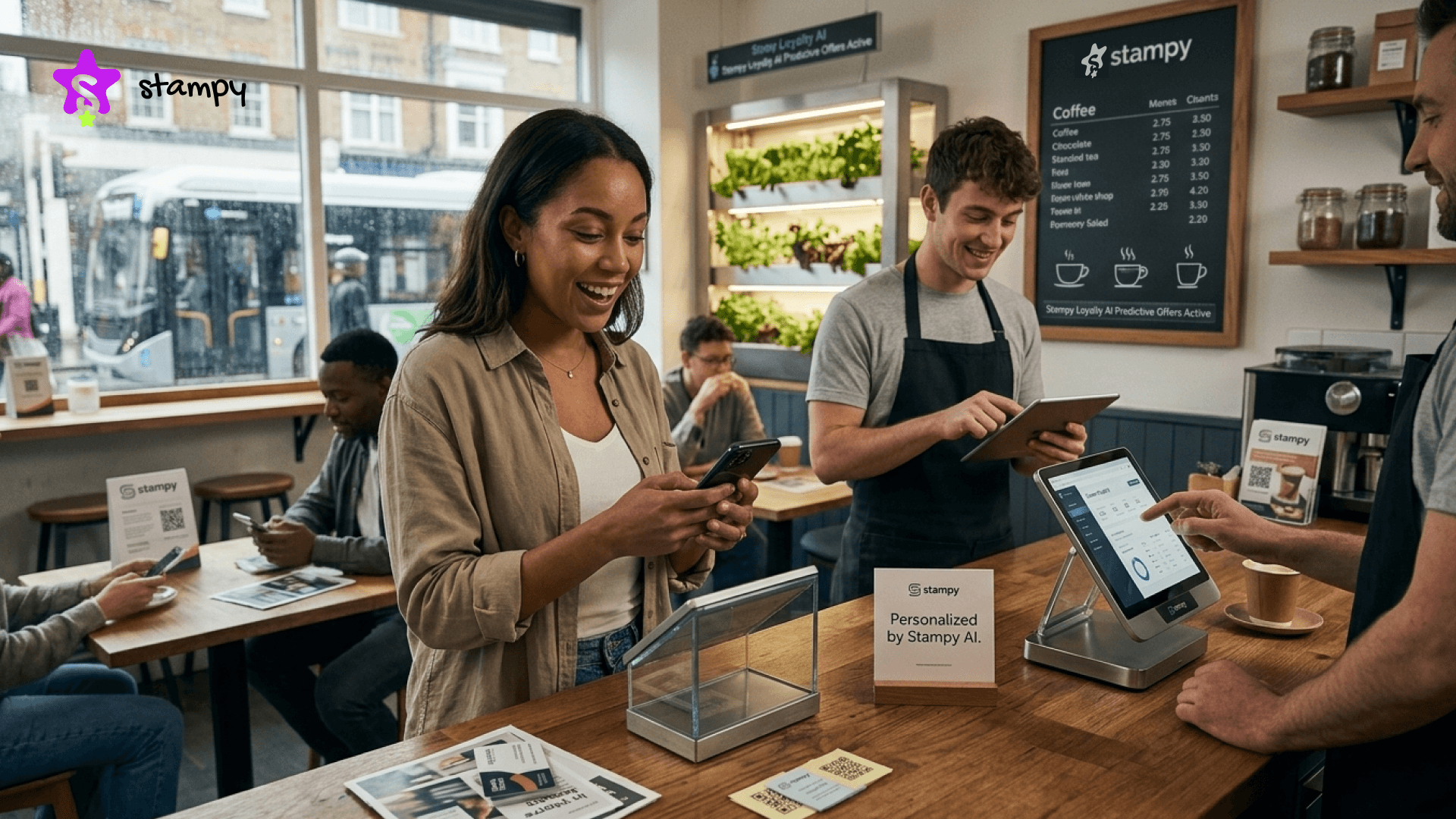
Businesses can first launch a loyalty program to start collecting the customer data needed for these campaigns. The setup involves defining the inactivity threshold that triggers a customer to be flagged as lapsed within the loyalty platform, selecting the offer that will be sent to that segment, and configuring the message sequence that delivers the offer across the chosen channels at timed intervals. Platforms like Stampy allow businesses to automate this entire process so that lapsed customer outreach runs continuously in the background rather than requiring a manual campaign build each time a customer drifts past the inactivity threshold.
The most effective loyalty-based win-back campaigns combine a near-reward notification, which tells the customer they are close to a reward they have been building, with a time-limited bonus offer that gives them an additional reason to act before the opportunity expires. This combination addresses both the emotional pull of progress already made and the rational pull of a specific, time-sensitive incentive that makes returning feel worthwhile right now rather than at some undefined future point.
Conclusion
Lapsed customers are not lost customers. They are existing customers who already know the business, have spent money there before, and can be reactivated at a fraction of the cost of acquiring someone new with no prior relationship to build on. The businesses that recover the most revenue from lapsed customers are the ones that identify inactivity early, respond with a message that feels personal and relevant, and use a loyalty program to automate the outreach so that no lapsed customer slips through without a structured attempt to bring them back.
Frequently Asked Questions
What is the best way to win back lapsed customers?
Segment lapsed customers by how long they have been inactive, personalise the offer based on their previous behaviour, and send a short message sequence through the channel they are most likely to engage with rather than a single generic campaign sent to all lapsed contacts at once.
How long before a customer is considered lapsed?
A customer is lapsed when they have exceeded their normal visit or purchase gap without returning. For a weekly visitor, that might be four weeks. For a quarterly purchaser, it might be six months. The definition should be based on each customer's individual pattern rather than a fixed time period applied to everyone.
What should I offer inactive customers?
A near-reward notification tied to progress they have already made in a loyalty program, a time-limited bonus offer, or a personalised promotion connected to their previous purchase behaviour can be more relevant than a generic discount because each option is connected to the customer's history with the business.
What is lapsed customer?
A lapsed customer is someone who has previously purchased from or visited a business but has stopped returning for longer than their normal purchase cycle. Identifying these customers helps businesses create targeted win-back campaigns before they become completely disengaged.
How do you write a win-back message?
Acknowledge the gap briefly, offer something specific and time-limited, and make the next step obvious and easy to take. Keep the tone warm and direct rather than apologetic or overly formal, and personalise the message with a reference to something specific about the customer's previous visits or purchases whenever the data makes that possible.
Should I offer discounts to lapsed customers?
Discounts can work, but they are not always necessary and they can train customers to wait for a deal before returning. Loyalty rewards tied to progress already made, exclusive access, or a time-limited new product offer often produce comparable reactivation rates without the margin cost that a blanket discount applies to every customer who responds.
How can a loyalty program help win back customers?
A loyalty program records every visit and purchase, flags customers who have exceeded their normal return gap, and allows automated win-back messages to be sent to lapsed segments based on real behavioural data rather than assumptions. It also provides the reward currency needed to make a win-back offer feel genuinely valuable to a customer who already has progress built up in the program.
What is a win-back campaign?
A win-back campaign is a structured sequence of messages sent to customers who have become inactive, intending to give them a specific reason to return to the business before they drift further into disengagement or establish a permanent habit of visiting a competitor instead.
How do I reactivate inactive customers?
Identify inactive customers using visit or purchase frequency data, segment them by how long they have been away, send a personalised message with a relevant and time-limited offer through the channel most likely to reach them, and follow up with one or two additional messages before deciding whether to suppress them from active campaign lists.