12 min read


Key Takeaways
- Repeat customers often spend more when they visit and are less expensive to retain than new customers, who require more effort and marketing to attract.
- A simple loyalty program is one of the fastest and most reliable ways to bring people back on a regular basis.
- Small, consistent efforts like reminders, rewards, and asking for feedback add up over time and build lasting habits.
- Digital loyalty tools give you customer data and insights that paper punch cards were never able to provide.
- The right strategy depends heavily on your type of business, so there is no single one-size-fits-all approach that works everywhere.
A customer buying from you once is a good start, but it doesn't tell you whether they'll come back. What really helps a business grow is turning first-time buyers into repeat customers who choose your business again without needing to be convinced from scratch.
Getting customers to return doesn't always require complicated strategies. Small things like giving them a reason to return, rewarding their loyalty, and staying connected after a purchase can make a real difference.
In this guide, you'll learn 10 practical strategies for getting repeat customers, from creating a loyalty program people actually want to use to giving customers timely reasons to return.
What Are Repeat Customers And Why Are They Important?
Repeat customers are people who make another purchase from your business after their first one. They matter because you already have their trust, so you don't have to start from zero every time you want them to return.
For a business, this can create more sales without requiring the same effort needed to acquire a new customer. Instead of constantly finding new people and convincing them to try your products or services, you can focus on keeping the customers who already know and like what you offer.
Repeat customers can also become more valuable over time. When they have a good experience, they may buy more often, try other products, or recommend your business to friends and family. This helps turn a single purchase into a longer customer relationship.
This is especially useful for small businesses because loyal customers can create a stronger and more consistent customer base. The better the experience you give them, the more likely they are to remember your business and choose you again.
What Are the Most Effective Strategies to Get Repeat Customers for a Small Business
Knowing how to increase repeat customers starts with a combination of good timing, useful rewards, and making customers feel remembered rather than treated like just another transaction.
Here are ten practical strategies that can help businesses across different industries increase repeat purchases and visits.
Make the First Visit Worth Repeating
The first visit can have a major impact on whether a customer considers returning to your business. If that first experience isn't good, there usually isn't going to be a second chance to make it right.
Focus on the basics, including friendly service, consistent quality, and removing unnecessary friction from the experience. A customer who leaves happy is far more likely to think of your business the next time they need what you offer.
Give Customers a Reason to Keep Coming Back
Seeing progress toward a reward can keep customers engaged and give them another reason to return.
Whether you use stamps, points, or simple visit counts, showing customers exactly how close they are to earning a reward taps into their natural desire to finish what they've already started. That small psychological pull is often enough to bring someone back sooner than they otherwise would have.
Reward the Behaviors That Matter to Your Business
Not all rewards need to be tied directly to how much money a customer spends with you. Think carefully about which specific actions actually help your business grow the most.
- Referrals that bring in new customers you wouldn't have reached otherwise
- Reviews that build and strengthen your online reputation
- Repeat visits that happen within a certain, clearly defined time frame
- Purchases or upgrades that support higher customer value
Rewarding these specific actions directly supports your broader business goals, not just your short-term sales numbers alone.
Give Loyal Customers Exclusive Benefits
Your top customers want to feel recognized for their loyalty, not treated the same as someone walking in for the first time. Give them small perks that regular customers simply don't get.
This can include early access to new products or menu items, members-only offers, free add-ons, birthday rewards, or products reserved just for repeat customers. None of this requires building a private community or membership platform. It simply means giving loyal customers a reason to feel valued every time they choose you over a competitor.
Keep Customer Information Up to Date
Getting a customer to return should feel simple and natural. If they have to go through extra steps or think too much about what to do next, they may choose another business instead.
Give customers a clear reason to visit again, such as a reward they are close to earning, a useful offer, or a reminder about something they already enjoyed. The easier you make the next visit, the more likely a first-time customer is to become a repeat customer.
Make Loyalty Feel Like a Treat
Not every loyalty interaction needs to follow the usual points-and-rewards routine. An unexpected but relevant gesture, such as a free add-on, bonus points, birthday treat, or personal thank-you, can make a regular customer feel genuinely recognized.
The key is to keep these gestures occasional and meaningful rather than turning them into another predictable promotion. Research suggests that surprise can strengthen customer delight and loyalty, particularly when customers see the gesture as something the business did for them rather than simply another marketing tactic.
Use Customer Feedback to Improve the Experience
Customer feedback is useful because it shows you where the experience is falling short. A simple question after a purchase or visit can reveal problems that may otherwise go unnoticed, from confusing rewards to poor service or an offer that customers do not find useful.
But asking for feedback is only the first step. Look for repeated issues, make practical changes, and let customers know when their feedback has led to an improvement. This turns feedback from a routine survey into a way of making the experience better, which can give customers another reason to stay with your business.
Automate Re-engagement
Every business loses some percentage of its customers eventually, even the ones with great service. The key is noticing this early and reaching out before those customers forget about your business entirely.
Set up win-back emails or SMS reminders that trigger when a customer has been inactive longer than their usual buying or visit cycle. Automating this process means you never accidentally miss the best window to bring a lapsed customer back.
Build a Simple Loyalty Program
A loyalty program gives customers a clear, ongoing reason to keep choosing your business over every competitor nearby, especially when the choice would otherwise come down to convenience alone.
Keep the program simple enough that customers can understand exactly how it works within a few seconds of hearing about it. Complicated point systems or confusing rules tend to discourage participation before it even has a real chance to start.
Measure What Drives Repeat Visits
You can't improve what you never bother to track in the first place. Keep a close eye on visit frequency, reward redemption rates, and which specific rewards actually get used by customers.
This data shows you clearly what is working and what still needs adjusting, so you're never simply guessing which strategies are worth your continued time and effort.
How to Turn a First-Time Customer Into a Regular
Turning a first-time customer into a regular is less about one big incentive and more about giving them an experience worth repeating. When customers consistently find value in choosing your business, coming back starts to feel like the obvious choice.
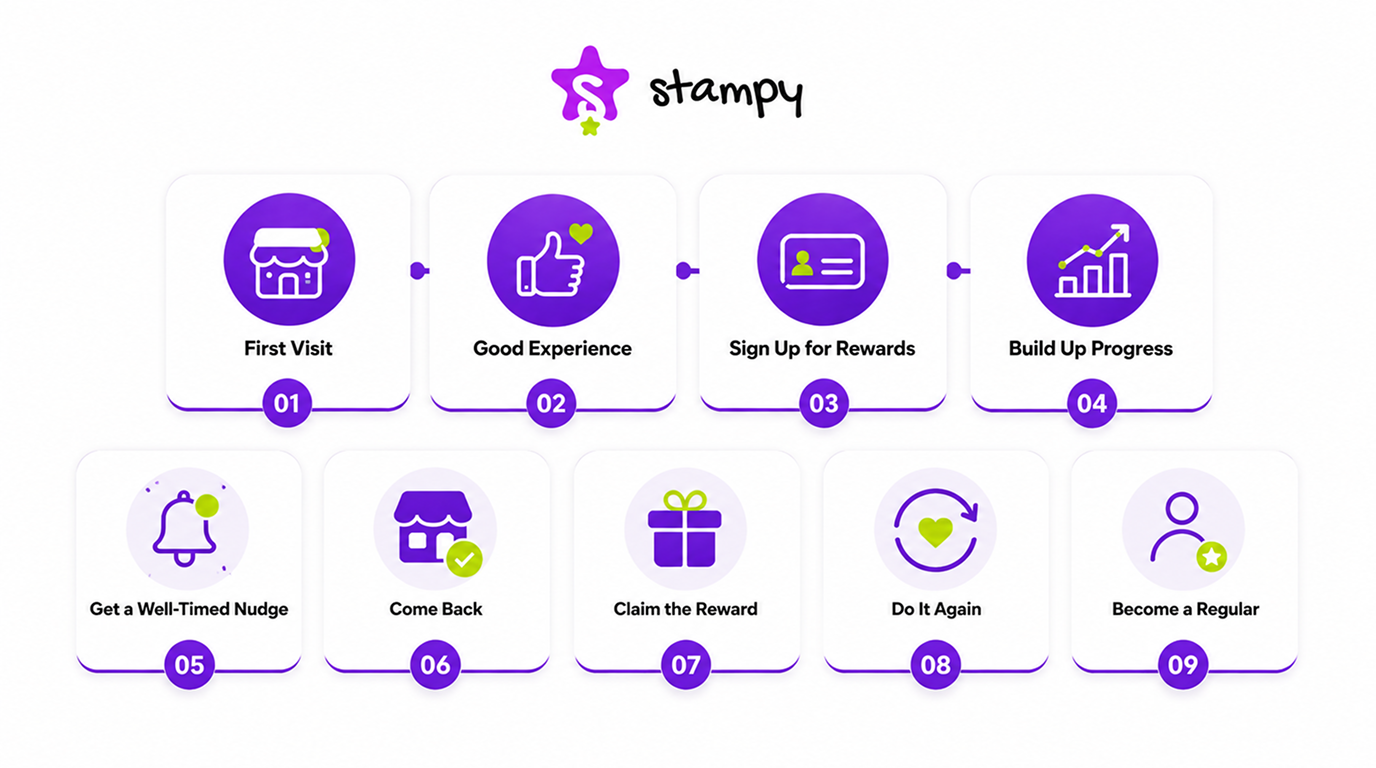
This flow works because each step gives customers a small reason to take the next one. A good first visit builds trust, joining the rewards program gives them something to work toward, and a well-timed reminder brings them back before they forget about you. Together, these small moments make the next visit feel natural, turning a one-time customer into someone who keeps coming back.
What Makes a Loyalty Program Successful?
A loyalty program succeeds when it is simple to understand, worth the customer's effort, and easy to redeem without unnecessary hassle. Customers should understand how the program works within a few seconds. They should also be able to see their progress and redeem rewards without unnecessary steps. If even one of these elements is missing, the entire program starts to feel like a chore instead of a genuine benefit, and people gradually stop using it altogether.
These five factors can have a major impact on whether customers continue using a loyalty program or simply ignore it.
Keep Rewards Simple
Your loyalty program does not need to be complicated to be effective. Customers should be able to quickly understand how they earn rewards, how much they need to do to get one, and how they can use it. Whether you use stamps, points, visits, or spending-based rewards, keep the rules clear and avoid unnecessary conditions that make the program difficult to follow.
Make Rewards Worth Earning
The reward itself has to feel worth the effort a customer puts in to earn it. If the reward feels too small or takes too long to earn, customers may lose interest before reaching it.
Make Progress Visible
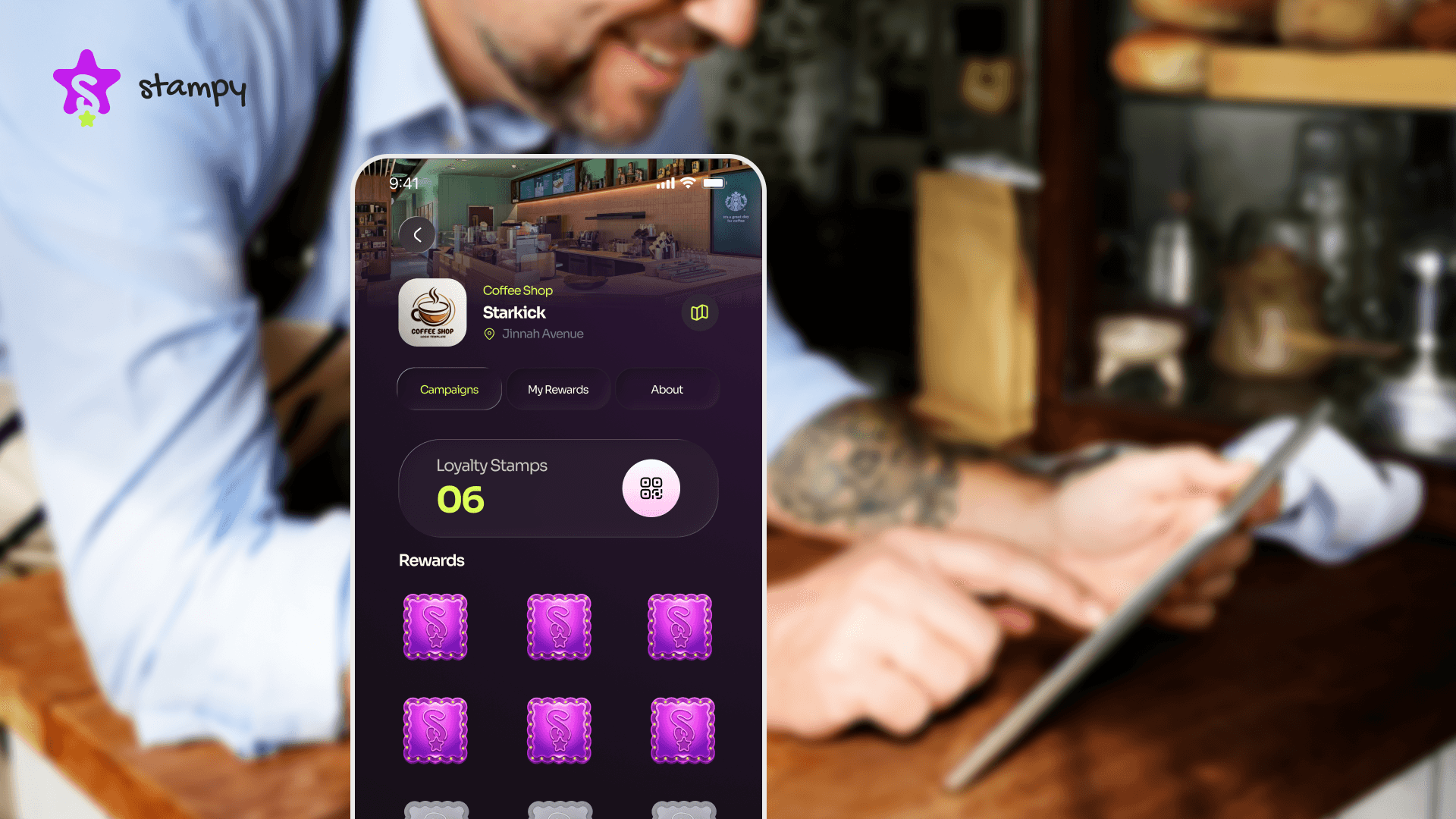
Customers are more likely to continue toward a reward when they can see how much progress they have already made and how much remains. Showing that progress makes the next purchase feel more valuable because it moves them closer to a specific reward. For example, showing “6 of 10 stamps” tells a customer they are four visits away from the reward. That small piece of information can make the next visit feel like progress rather than just another purchase.
Make Redemption Easy
If claiming a reward turns out to be complicated or time-consuming, customers will simply choose not to bother with it at all. Redemption should take only a few seconds. Without requiring extra steps, approvals, or unnecessary back-and-forth.
Keep the Program Relevant
Update the rewards based on what customers actually want, instead of what was convenient to set up in the beginning. A program that never changes eventually starts to feel stale, and customers tend to stop paying attention to it as a result.
Digital Loyalty vs. Traditional Loyalty Cards
Paper cards were the industry standard for decades, but digital loyalty programs now solve most of their biggest and most persistent problems.
Traditional Loyalty Cards | Digital Loyalty Programs |
Easy to lose | Stored digitally |
Manual tracking | Digital tracking |
Limited customer data | Customer insights |
Difficult to communicate | Supports campaigns |
Basic reward system | Flexible rewards |
Harder to measure | Performance can be tracked |
Digital programs remove the everyday hassles that come with paper cards, while also giving business owners a much clearer and more detailed picture of overall customer behavior.
How Stampy Helps Businesses Get More Repeat Customers
Getting repeat customers is not about using one reward or sending more promotions. It is about giving customers enough reasons to return and making those reasons easy to act on. The challenge for many small businesses is keeping that experience consistent without having to manage every customer interaction manually.
A digital loyalty approach can help bring those efforts together. Customers can earn something from each visit, see their progress, and have a clear reason to return, while businesses can keep the process running without adding another time-consuming task to their daily routine. This makes loyalty a more natural part of the customer experience rather than something the business has to constantly manage.
Stampy is designed around this kind of repeat-customer journey, helping businesses turn simple loyalty strategies into an ongoing process that encourages customers to return. The aim is not simply to reward customers, but to create a reason for the next visit and make it easier for that habit to continue.
Conclusion
Getting repeat customers isn't really about complicated systems or the biggest possible discounts. It's about staying consistent. A good first experience, a simple loyalty program, timely reminders, and real appreciation all go a long way toward turning one-time buyers into loyal regulars.
Start small, track what actually works for your specific business, and adjust your approach as you go along. Over time, these habits gradually build a customer base that keeps coming back to your business with very little extra effort.
Frequently Asked Questions
Why are repeat customers more valuable than new customers?
Repeat customers already trust your business, so you don't need to spend extra time or money convincing them to buy again. That trust usually means they spend more per visit than a first-time buyer would.
What's the fastest way to start bringing customers back?
A simple loyalty program is usually the quickest way to see results, since it gives customers a clear reason to return. Something as basic as a digital stamp card, where progress is visible, works well because people naturally want to finish what they've started.
Do loyalty rewards have to be based on how much a customer spends?
Not at all, rewards can also be tied to actions like leaving a review, referring a friend, or visiting again within a set time frame, since these directly support business growth too.
How is a digital loyalty program different from a paper punch card?
Paper cards are easy to lose and give you no real data on customer behavior. Digital programs track everything automatically and let you run targeted campaigns based on actual customer insights.
What makes a loyalty program actually succeed instead of getting ignored?
A program succeeds when it's simple to understand, worth the effort, and easy to redeem without extra steps. Visible progress toward a reward also keeps customers engaged rather than forgetting about it.
How do you get repeat customers online?
To learn how to get repeat customers online, focus on staying connected after the first purchase through email, SMS, loyalty programs, personalized offers, and timely reminders. Make it easy for customers to see their rewards, discover relevant offers, and have a clear reason to return.