12 min read




Getting someone through the door once is a marketing problem. Getting them to come back is a psychological problem. And most businesses are so focused on the first one that they never seriously solve the second.
Customer loyalty is not a reward card. It is not a birthday email or a referral discount. It is a psychological state, one that builds quietly over time through recognition, habit, trust, and the feeling that a business actually gives a damn whether you come back or not.
Most businesses chase acquisition and assume retention will sort itself out. It rarely does. Understanding what is actually happening in a customer's head when they decide to become a regular and what makes them leave is the starting point for building something worth staying for.

What Actually Drives Customers Away
Understanding departure matters as much as understanding loyalty. The reasons people leave are mostly predictable and mostly preventable.
1: They Felt Ignored
Across decades of customer research, the most common reason people give for leaving a business is not price, not quality, not a competitor's offer. It is perceived indifference. They felt the business did not notice whether they stayed or left. Nobody used their name after twenty visits. The cancellation was not followed up. The complaint was handled adequately but coldly.
This one is almost entirely preventable. A simple, personal outreach at the right moment recovers a significant percentage of customers who are in that window.
2: They Were Retained by Discounts, not by Value
Customers who come back primarily because of promotions are loyal to the discount, not to the business. When the discount ends or a competitor matches it, they leave.
Discount dependency is a trap. It trains customers to wait for deals, erodes margins, and creates no genuine attachment. A customer who returns for a 20% off offer is not the same thing as a customer who returns because they trust you.
3: They never connected with anyone
Customers who visited but remained anonymous have no social or emotional barrier to leaving. No relationship was formed. No community was joined. Switching is painless because nothing meaningful was built.
The Decision to Come Back Starts Before You Leave
Most businesses think the loyalty question kicks in somewhere between the second and third visit; it doesn't. It starts the moment someone walks out the door after their first interaction.
What a person carries with them after that first experience isn't a rational scorecard. It's a feeling: did this go the way I hoped, did I feel like I mattered, did anything surprise me (good or bad), and most importantly: do I want to do that again?
The brain is constantly running a background process that decides which experiences get filed under "worth repeating" and which ones get filed under "probably won't bother." Most experiences don't make a strong case either way, which is why so many businesses hover in a forgettable middle ground where customers return occasionally but never feel particularly attached.
This is also why businesses that consistently turn first-time visitors into regulars tend to focus on those early interactions rather than assuming loyalty will develop on its own.
What pushes someone from "occasional" to "regular" is usually one of a few things stacking on top of each other. Consistency that makes the experience feel safe. A moment where they felt genuinely noticed. The quiet realization that switching would cost them something they've already built up.
The Psychology Behind Why People Stay
Loyalty is not one thing. There are several things happening at the same time, each reinforcing the others.
1: Habit
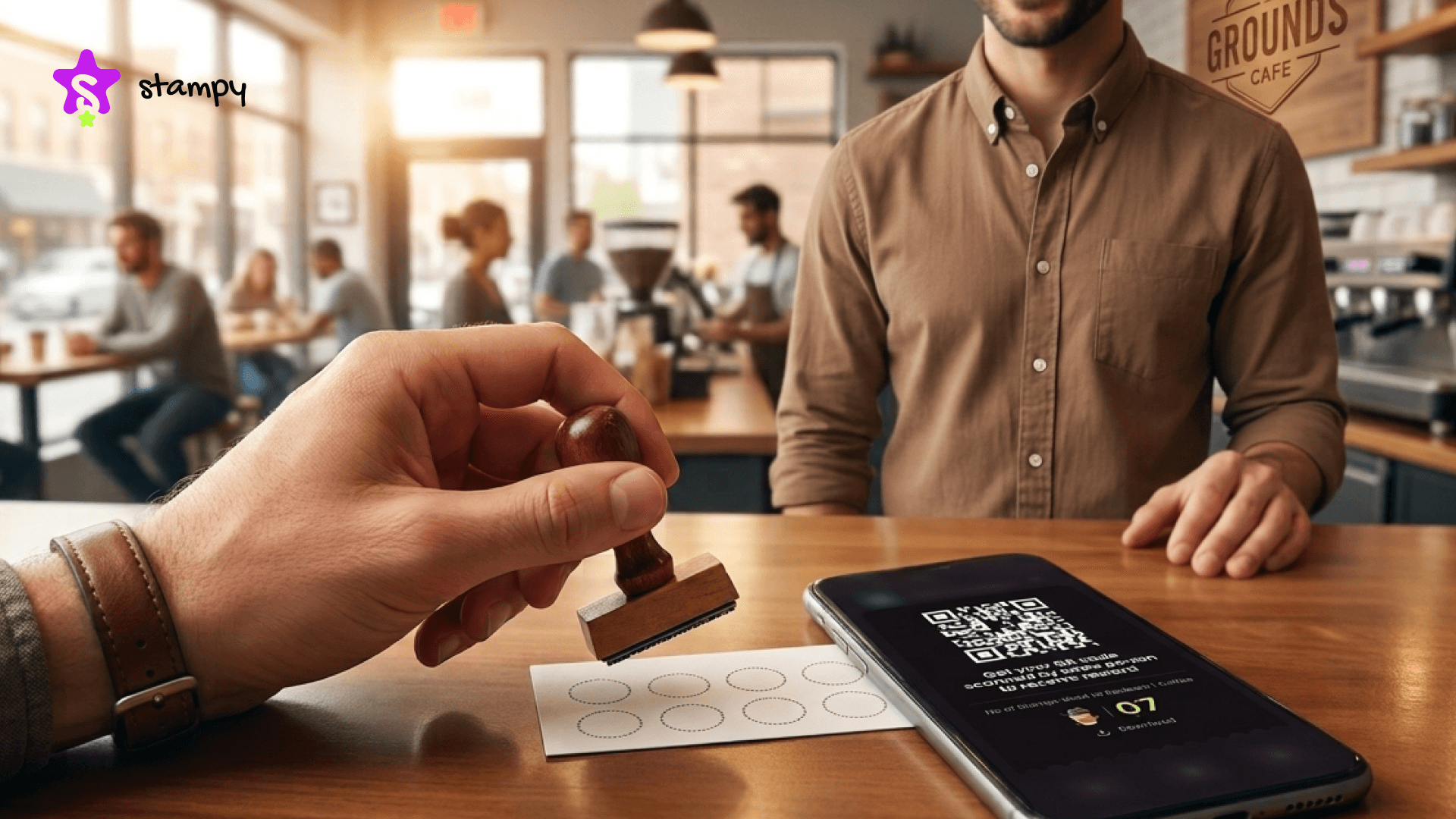
The most underestimated driver of repeat business is habit. Most loyal customers are not consciously choosing you every time. They are following a routine they formed early in the relationship and never had a reason to break.
The Thursday appointment, the Saturday morning stop, the same order, the same seat and the same familiar sequence of interactions.
Habits are powerful because they operate below the level of active decision-making. A habitual customer does not compare shops before each visit. They just show up. The business that understands this focuses its energy on the first 30 to 60 days of a new customer relationship, because that is when the habit either forms or doesn't. Everything after is maintenance.
The vulnerability with habits is disruption. A customer who moves house, changes jobs, or goes through a major life event is suddenly in a window where the old habit is broken and a new one hasn't formed yet. Businesses that reach out during those windows keep those customers. Businesses that don't lose them to whoever is easiest to reach first.
2: Emotional Connection
A transactional customer comes back because it is convenient. An emotionally connected customer comes back because it feels like their place.
That distinction is enormous.
Emotional connection forms through accumulated moments of being treated like a person rather than a number. It is the staff member who remembers your name on the third visit. The business that follows up after something went wrong. The small gesture nobody asked for that signals genuine care.
Customers with emotional connection spend more, complain less, refer to people unprompted, and are far more forgiving when things occasionally go sideways. Customers without it leave the moment something better or cheaper comes along.
3: Identity and Status
People organize their self-image around the brands and businesses they choose. The gym member who has been coming for four years and has their name on the leaderboard is not just a customer. That relationship is part of how they think about themselves.
When your business becomes woven into someone's identity, leaving is no longer just switching service providers. It feels like giving something up about themselves. That is a completely different psychological barrier to exit than a loyalty points balance.
Status works in a similar way. When customers earn recognition that is genuinely meaningful, visible to others, and based on real tenure or achievement, they develop a stake in keeping that status. It becomes something worth protecting.
4: Community
The businesses with the deepest loyalty almost always have one thing in common: their customers know each other.
When people feel they belong to a community at a business, leaving means a social loss, not just a practical one. This is why boutique gyms retain members better than big-box chains. Why the local café where the regulars know each other is nearly impossible to compete with on price alone.
Community is not a marketing claim. It is a real thing that either exists or doesn't. Creating it takes deliberate effort: group experiences, shared challenges, spaces where customers can actually connect rather than just coexist.
Digital Loyalty: What the Technology Actually Does
The last decade has changed what a loyalty program looks like. Punch cards gave way to apps, behavioral tracking, tiered memberships, and personalized push notifications. Some of it genuinely works. Some of it just looks like it works.
Where Digital Loyalty Adds Real Value
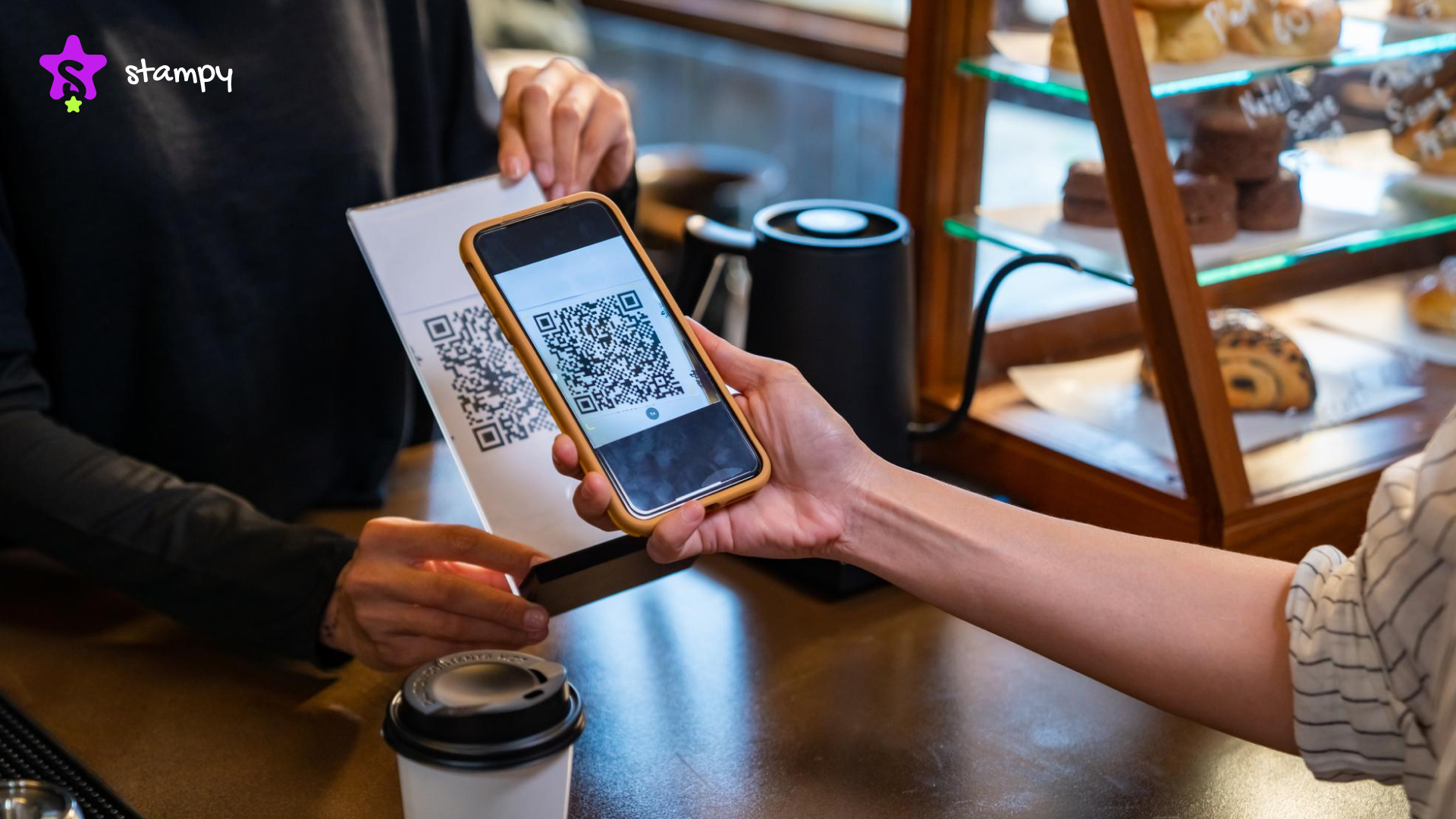
Points systems and digital progress trackers do one specific thing well: they create a psychological cost to leaving. A customer who is 200 points away from a reward is not thinking about that reward. They are thinking about the 800 points they would be walking away from if they switched. That is loss aversion doing its job, and a well-designed program uses it honestly.
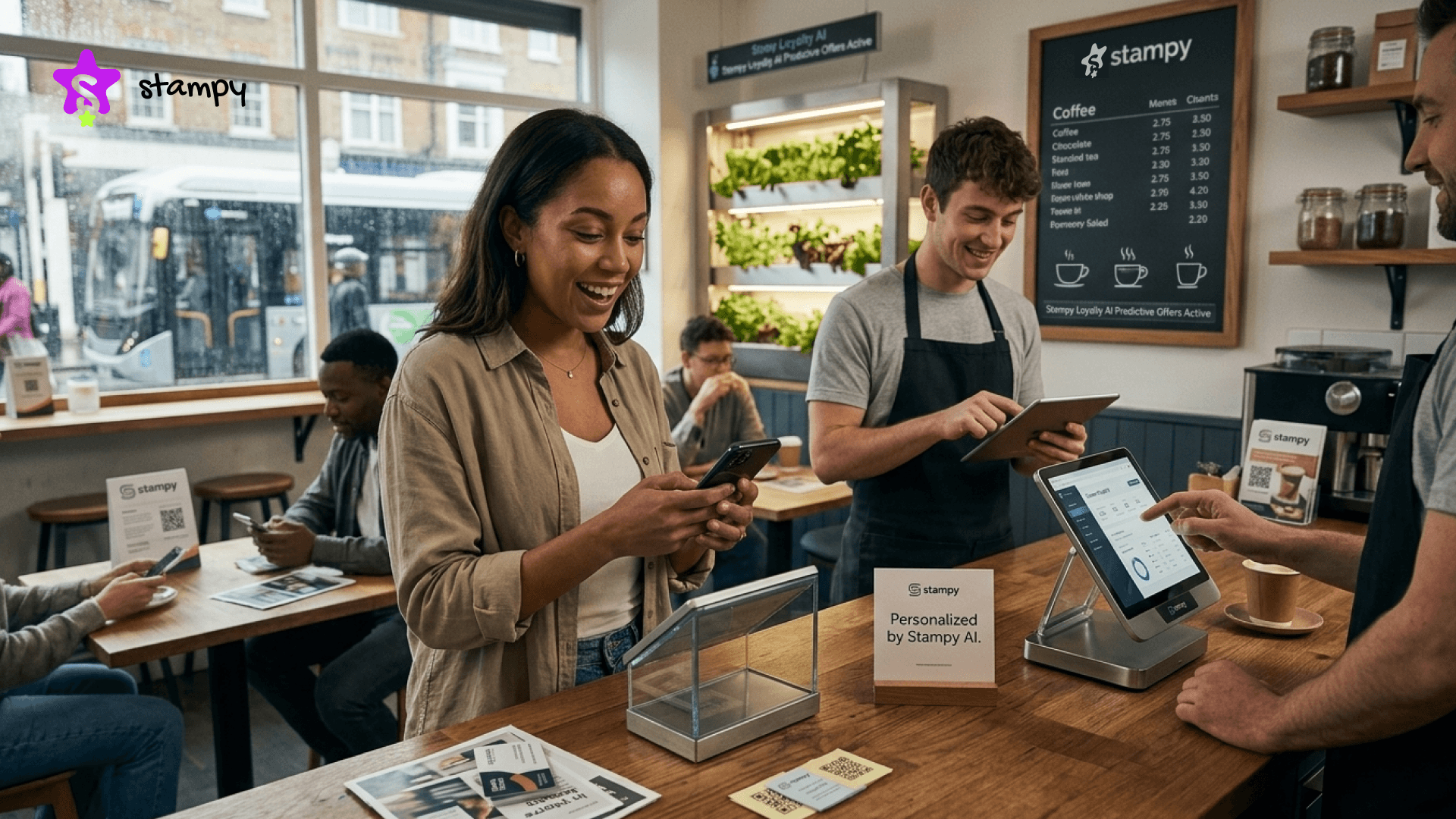
Personalization is the other genuine advantage. When a system knows that a specific customer visits on weekend mornings, always orders the same thing, and has not been in for three weeks that information can produce communication that feels personal rather than automated. The gap between "We miss you!" and a message that references something real about the customer's actual behavior is the gap between something that gets deleted and something that gets acted on.
Where Digital Loyalty Goes Wrong
When the app becomes a relationship instead of supporting it. A customer who earns points but never feels genuinely known is not building emotional loyalty. They are building transactional loyalty, which lasts until a competitor launches a better sign-up offer.
The other failure mode is complexity. If redeeming a reward requires navigating four screens, remembering a PIN from two years ago, and visiting during specific hours on specific days, the program has become more friction than it is worth. Good loyalty mechanics are nearly invisible. Earn without thinking about it, redeem without fighting the system.
Why the Unexpected Reward Hits Harder
The unpredictable win is neurologically more potent than the guaranteed one. Your brain releases more dopamine in response to an unexpected reward than to one it anticipated receiving. This isn't a personality quirk. It's how we're all wired.
Customer loyalty programs mostly operate on the anticipated reward model. You know the points are accumulating, you know what you'll get when you hit the threshold, and while that creates retention, it doesn't create the same emotional response as something completely unexpected.
The surprise matters more than the size of the gesture. A customer who receives a small complimentary item they didn't know was coming will talk about it more than a customer who received a planned 20% discount, even if the 20% discount was worth more money. The unexpectedness is the thing. It signals that someone was paying attention and chose to do something nice without being prompted by a program.

Those small moments of unexpected care often become the stories customers remember and share long after the reward itself has been forgotten.
What does this look like practically? It looks like a cafe that occasionally composes a drink for a regular without explaining why. A subscription box that throws in an extra item once in a while with a handwritten note. A hotel that upgrades a room for a guest who stayed there twice last year and mentioned in an old review that they loved the view. A clothing shop that mails a new-season lookbook to a customer who spent heavily the previous year, before they've been back this season, just because someone thought they'd appreciate it.
None of these things are expensive relative to what they produce. The customer's reaction to each is wildly disproportionate to the cost. That's the whole point. The emotional ROI on a genuine, unexpected gesture almost always beats the ROI on the same amount spent in a predictable loyalty structure.
The Everyday Behaviors that Actually Build Regulars
Grand gestures get talked about. The boring stuff done consistently is what actually keeps people.
- Using names genuinely: Not the call-centre version where someone reads a name off a screen every ninety seconds. The actual version, where a staff member catches a returning customer's name and addresses them like a familiar person rather than a record in a system.
- Solving problems once: Nothing accelerates departure faster than having to explain the same issue three times to different people. Businesses that give frontline staff the authority to fix things on the spot, without escalation, retain customers through problems in a way that scripts and processes never will.
- Giving useful information without being asked: A mechanic who mentions something worth watching. A pharmacist who flags a potential issue. A stylist who recommends a product that actually helps rather than the most expensive one on the shelf. These moments build trust faster than ten smooth, unremarkable transactions.
- Reaching out when something changes: Price increase, hours change, product discontinuation; customers who hear it directly from the business feel respected. Customers who discover it themselves on arrival feel like an afterthought. One is a small loyalty deposit. The other quietly costs you.
- Consistency across every channel: Warm in person, robotic online, different again on the phone this sends a confusing signal about who a business actually is. Customers experience a business across multiple touchpoints. The tone and quality should feel like the same company everywhere.
Conclusion
At the end of the day, customers are just people. They want to feel like they are known, that their loyalty is noticed, and that the business they choose would genuinely care if they stopped showing up.
That is not a complicated task. It is also not something any app or program can manufacture on its own.
The businesses that understand this build something competitors struggle to copy not a product or a price point, but a relationship. And relationships, when they are real, are remarkably hard to replace.
Frequently Asked Questions
Do you need a formal loyalty program to build regular customers?
No. The most deeply loyal customer bases often belong to small businesses that have never run a formal program: a neighborhood bakery, a trusted plumber, a local bookshop. Loyalty programs can reinforce and reward an existing relationship, but they don't create one. The emotional connection comes from the experience. The program just gives people a reason to quantify what they already feel.
How long does it take to turn a new customer into a regular?
Sometimes one visit, if something genuinely memorable happens. More often it takes four or five consistently good experiences before someone starts to think of a place as "their" place. There's no fixed timeline. What matters is that each interaction adds to the case for coming back rather than introducing doubt.
Do surprise rewards need to cost a lot?
No. The value of a surprise gesture is almost entirely emotional, and emotional impact doesn't scale linearly with cost. A handwritten note, a complimentary item worth next to nothing, or a staff member who remembers something personal from a previous visit can produce more loyalty than a formal discount twice the monetary value. The unexpectedness is the ingredient that matters. The cost is almost beside the point.
What's the most common mistake businesses make with digital loyalty apps?
Building them and then assuming the work is done. An app that tracks points doesn't make customers feel known. It makes them feel tracked. The businesses that get the most out of digital loyalty tools are the ones that use the data to make communication feel personal rather than automated. The technology is only as good as the thinking behind how the information gets used.
What happens to loyalty after a bad experience?
It depends entirely on how the business responds. A bad experience that gets handled well, fast, and with genuine care can leave a customer more loyal than before, because now they have evidence that the business shows up when things are difficult. A bad experience that gets ignored, minimized, or passed around between departments tends to end the relationship permanently. The experience itself is almost less important than the response.