12 min read



Key Takeaways
- Slow-day loyalty rewards customers for visiting during quiet days or hours.
- Bonus stamps and challenges can shift visits to weekdays and off-peak hours.
- Member rewards and referrals can increase repeat visits and bring in new customers.
- Win-back and targeted offers can re-engage customers who have stopped visiting.
- Simple, time-limited rewards can increase traffic while helping protect margins.
- Tracking visits, orders, redemptions, and reward costs shows whether a campaign works.
Restaurant loyalty program ideas for slow days help restaurants increase visits during quiet periods, such as weekday lunches, Tuesday dinners, or late afternoons. Instead of discounting every order, restaurants can offer an extra reward only during the day or time they want to improve. National Restaurant Association research from 2025 found that roughly 8 in 10 off-premises customers would take advantage of discounts offered on less-busy days or times.
A well-designed restaurant loyalty program can turn this interest into targeted repeat visits. Bonus stamps, challenges, member-only rewards, referrals, and win-back offers can give customers a reason to visit when traffic is normally lower.
The key is to match each reward with a specific traffic problem and keep the offer simple. Restaurants can then measure visits, order value, redemptions, and reward costs to see whether the campaign brings additional business without relying on constant discounts.
Start With the Slow Period You Actually Want to Fix
Knowing how to increase restaurant traffic on slow days starts with finding the exact gap in your week. Most restaurants have one or two clear gaps that show up in sales data every single week.

- Slowest day: Look at your weekly sales and find the one day that consistently brings the fewest covers.
- Meal periods: Compare lunch and dinner traffic, since many restaurants fill one meal period much better than the other.
- Quiet hours: Notice the gaps between normal meal periods, such as the stretch from mid-afternoon until early evening.
- Rainy days: Track how much weather affects walk-in traffic, since bad weather often keeps regulars at home.
- Pickup demand: Check whether takeaway and pickup orders drop on the same days that dine-in traffic drops.
- Weekend only: Some customers visit every Saturday but rarely appear during the week, which is a chance to grow.
Turn that finding into a specific goal, such as increasing Tuesday dinner visits, rather than getting more customers. A goal this specific tells you which restaurant loyalty ideas to choose and how to judge success.
10 Restaurant Loyalty Program Ideas for Slow Days
These loyalty ideas target different traffic gaps, from slow weekdays and quiet hours to lapsed customers and weak pickup demand.
1. Give Bonus Stamps on Your Slowest Day
Choose your quietest day and turn it into a double-stamp day, such as Double Stamp Tuesday. Customers who would normally visit later in the week now have a reason to move their visit earlier. Bonus stamps often beat a menu price cut, because the reward is earned later and protects your margin today. This is one of the simplest restaurant rewards program ideas to launch, since it needs no new menu items.
2. Create an Off-Peak Visit Challenge
Challenges reward the missing behavior instead of every visit, which keeps your costs focused on new traffic. For example, ask customers to visit twice on weekdays this month to unlock a bonus reward. Another option is three lunch visits before month-end, rewarded with a free side or drink. Challenges make strong weekday restaurant promotions because they build a habit instead of a one-time visit.
3. Offer a Member-Only Reward on Quiet Days
Give loyalty members something nobody else can get, and attach it to the day you want to fill. Ideas include a free dessert with a Tuesday entree or a complimentary side at weekday lunch. You could also offer a bonus stamp after 3 PM or a member-only menu item. Exclusivity gives people a reason to join the program as well as a reason to visit on that day. To grow that membership, use strategies to get more customers to join your loyalty program.
4. Use a Bounce Back Reward for the Next Slow Day
Give customers who visit today a reward that can only be redeemed during a quiet period. For example, visit this weekend and earn a free appetizer that is valid Monday through Wednesday. This shifts some existing demand into slow periods instead of rewarding a visit that was already going to happen.
5. Create a Weekday Lunch Club
A lunch club suits restaurants near offices, universities, shopping districts, and business parks with steady weekday foot traffic. Lunch clubs are simple restaurant rewards for repeat customers who already visit on predictable weekdays. For example, five weekday lunches could earn a free add-on with the next lunch order. Keep the earning window limited to the daypart you actually want to grow, so rewards support that goal.
6. Reward Customers for Bringing a Friend on Slow Days
Invite regulars to bring a new guest on Wednesday, and give both people a bonus stamp. This combines retention with acquisition, which does more than simply discount an existing regular's meal. New guests also see your program in action and can join it before they leave.
7. Give Loyalty Members Early Access to New Menu Items
Use a slow evening to preview new dishes, seasonal items, limited desserts, chef specials, or new drinks. For example, loyalty members can try the new menu every Tuesday before the public launch. The incentive here is access, not a discount, so your margins stay healthy while curiosity fills seats.
8. Add a Slow Day Bonus for Pickup or Direct Orders
This works well when dine-in is not the only weak channel on your quiet days. Offer an extra stamp for Tuesday pickup, or double progress on weekday direct orders during quiet hours. National Restaurant Association research also shows strong demand for value offers in takeout and other off premises channels.
9. Send a Targeted Win Back Offer for a Quiet Day
Target customers who have not visited recently with a message tied to your slowest day. For example, say you have not seen them lately and offer two bonus stamps for visiting this Wednesday. Do not send the offer to everyone, since only a smaller group of customers needs the extra nudge. Targeted offers cost less than blanket discounts because you only reward people who were likely to stay away.
10. Run a Surprise Slow Day Bonus
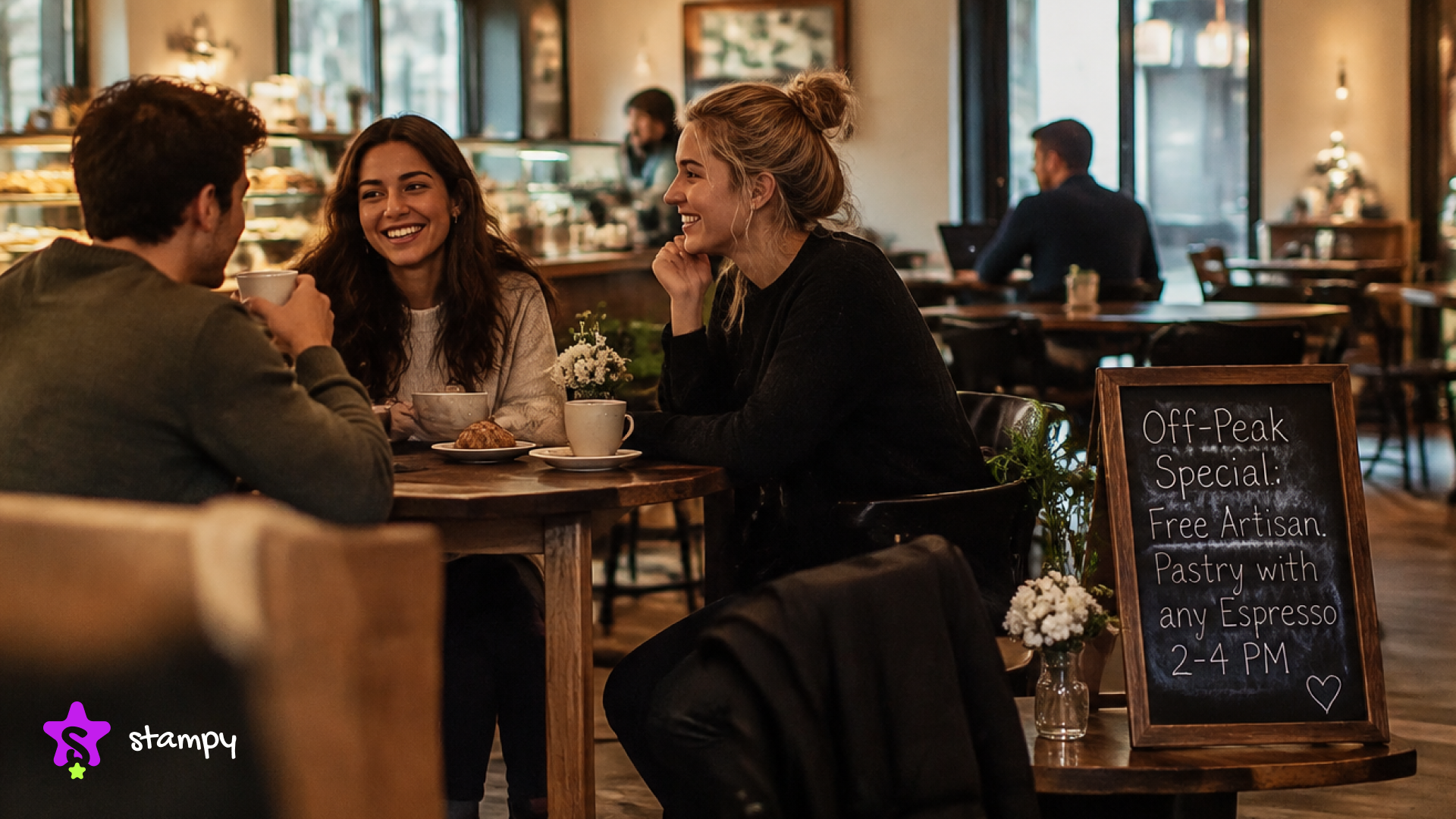
Instead of advertising an offer all the time, notify members of a short bonus window when traffic drops. Examples include an extra stamp between 2 and 5 PM or a free side tonight. It gives you flexibility on unexpected quiet afternoons, which makes it one of the more flexible restaurant off-peak promotions.
Which Slow Day Loyalty Idea Should Your Restaurant Use?
Match the loyalty reward to the traffic problem you want to solve, then start with the option that best fits your slow period.
Restaurant Problem | Loyalty Idea | Example |
Slow weekday | Bonus stamps | Double Stamp Tuesday |
Weak lunch traffic | Lunch club | 5 weekday lunches = reward |
Empty afternoon hours | Time-based bonus | Bonus stamp 2 to 5 PM |
Low new customer traffic | Bring a friend | Reward both guests |
Lapsed customers | Win-back offer | Return Wednesday for bonus |
Low direct orders | Direct order reward | Extra stamp for pickup |
New menu launch | Member preview | Loyalty-only tasting |
Irregular slow periods | Flash reward | Same-day member bonus |
How to Reward Slow Day Visits Without Discounting Too Much
The right reward should encourage an extra visit while keeping the cost of the campaign under control.
Reward the Behavior, Not Every Order
Make the incentive apply only to the targeted day or time so regular visits stay at full price. That keeps the cost of your restaurant loyalty rewards tied directly to the traffic you are trying to create.
Use High Perceived Value Rewards
Choose rewards that feel generous to customers but cost you little to make or serve. Good options include a dessert, a drink, a side, an upgrade, a bonus stamp, or early access.
Make the Reward Easy to Reach
A campaign that takes months to complete will not solve next month's Tuesday traffic problem. Aim for rewards customers can earn within a few visits, so the benefit feels close.
Keep the Rules Simple
Customers should understand three things right away: when to visit, what they earn, and what they get. Complicated rules and slow rewards can weaken customer participation, so understanding why loyalty programs fail can help you avoid common mistakes.
Turn Your Idea Into a Slow Day Loyalty Campaign
A simple campaign structure helps you turn a loyalty idea into a focused test. Choose the slow period, define the behavior you want, select the reward and audience, promote the offer, and measure the results.
Choose One Slow Day or Time Window
Use sales or booking data to identify your quietest period. Start with one specific day or time, such as Tuesday dinner or weekday lunch, so you can measure whether the campaign improves traffic.
Choose the Customer Behavior You Want
Decide what you want customers to do differently, such as visit on weekdays, place pickup orders, bring a friend, try lunch, or return after a period of inactivity. This keeps the reward focused.
Choose One Reward
Select one simple reward that matches the behavior and fits your costs. A bonus stamp, free side, drink, dessert, or extra loyalty progress can incentivize without making the campaign unnecessarily expensive.
Decide Who Should Receive the Offer
Choose the audience based on the traffic gap. Regular customers may need a reason to shift their visit, while lapsed customers may need a stronger reason to return. Avoid sending every offer to everyone.
Promote It Before the Slow Period
Give customers enough notice to plan their visit. Use loyalty notifications, receipts, social posts, email, text messages, table signs, or staff reminders to make the offer visible before the target period begins.
Run It for a Defined Test Period
Run the campaign for two to four weeks and compare results with your normal baseline. Track visits, orders, and reward costs to judge the impact. For the full process, follow our guide on how to launch a loyalty program.
How to Tell Whether Your Slow Day Campaign Worked
Look beyond reward redemptions to see whether the campaign actually increased traffic and generated worthwhile sales.
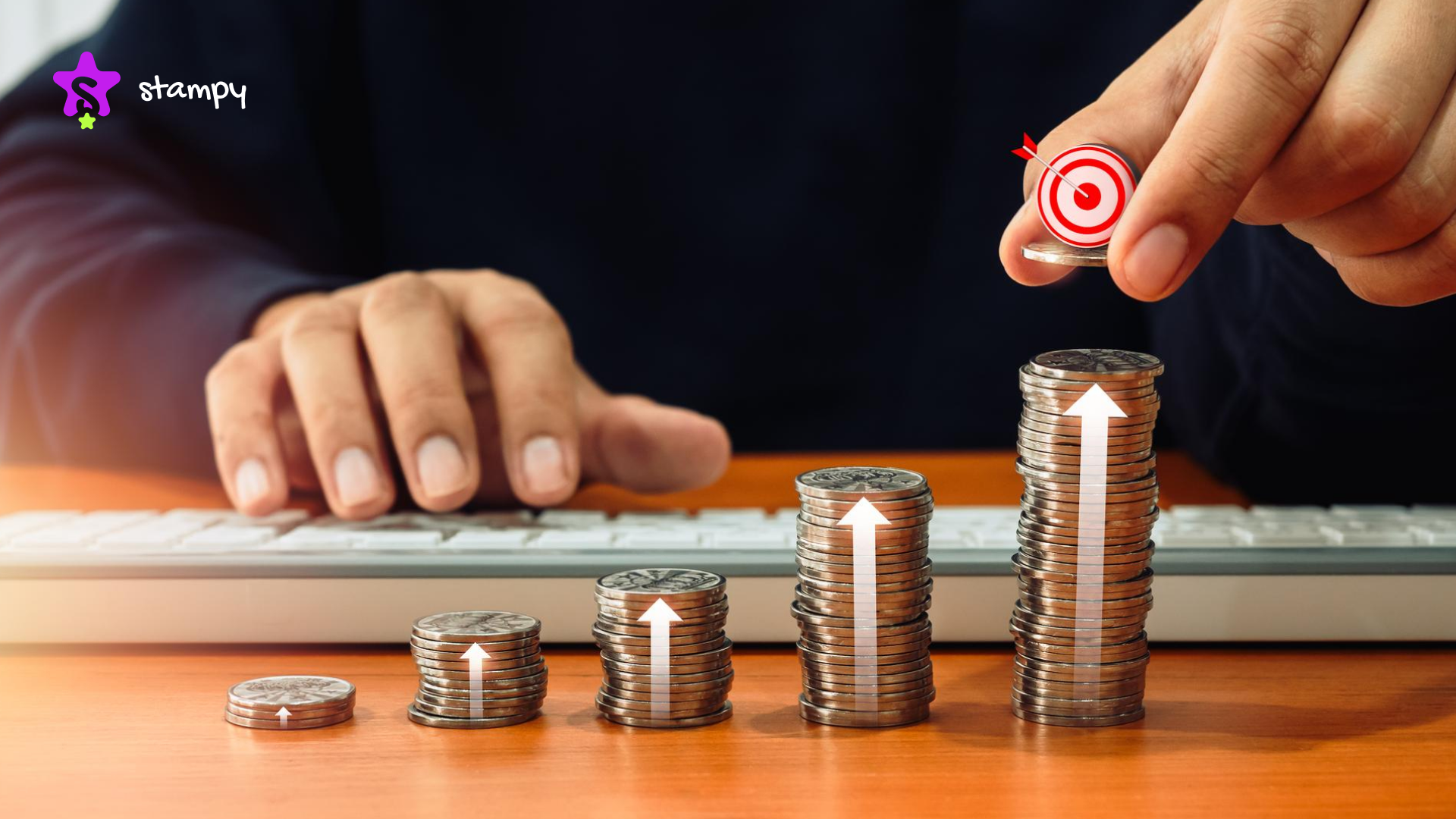
- Target visits: Count visits or covers during the slow period and compare them with the weeks before.
- Redemptions: Track how many loyalty rewards were redeemed and how many members actually took part in the campaign.
- Repeat visits: Check whether the same customers returned more than once during the campaign window, not just once.
- Order value: Compare average order value, since a reward should not shrink the size of each check.
- New members: Count how many new loyalty members joined because of the offer, especially through referrals and friend visits.
- Reward cost: Add up the cost of rewards redeemed and compare it with revenue from the target window.
How Stampy Helps Restaurants Fill Slow Days
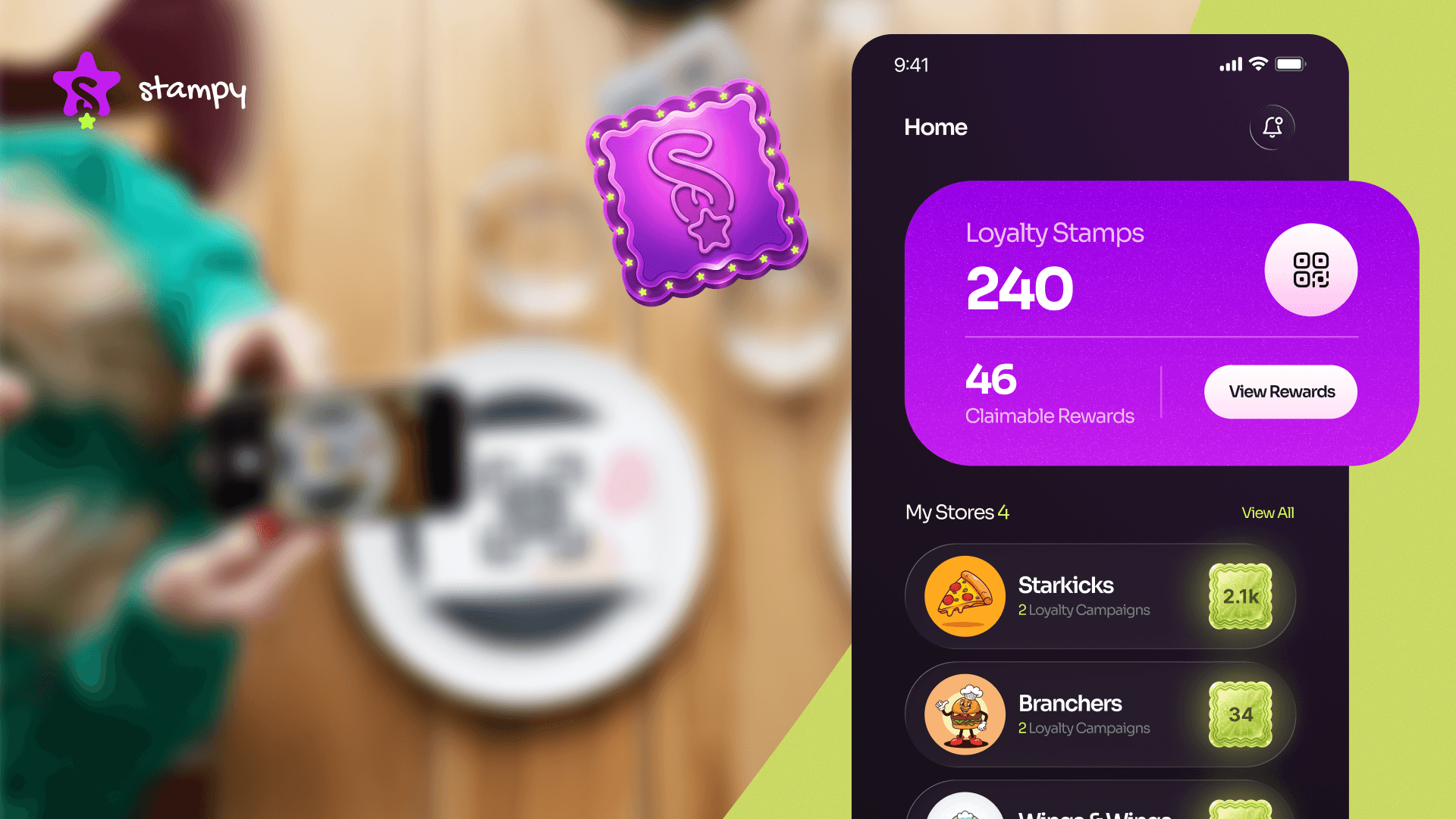
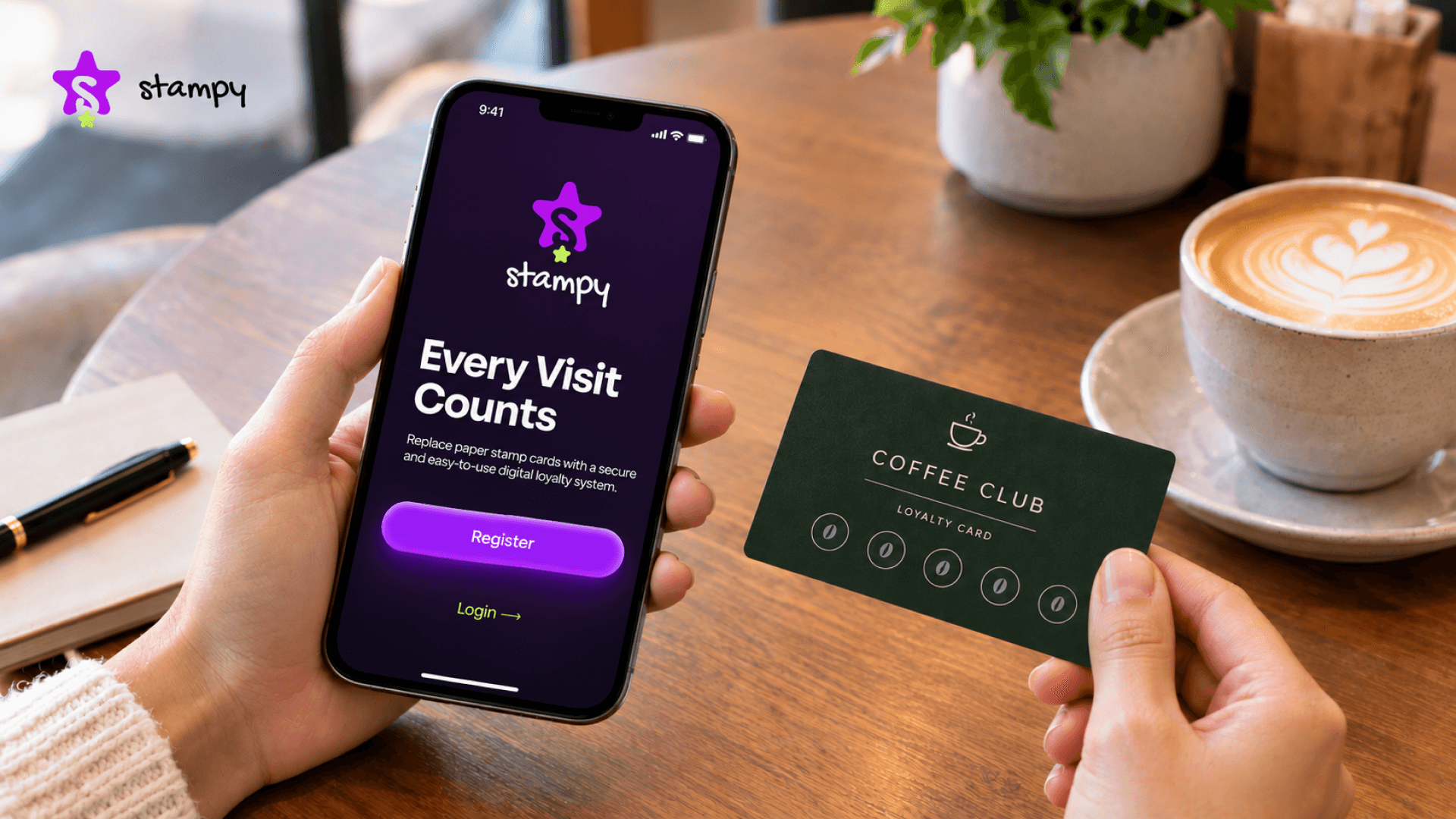
A digital loyalty platform can simplify slow-day campaigns by letting restaurants create targeted rewards and manage them from one place. Stampy is a digital loyalty platform that lets restaurants set up stamp campaigns and rewards from one portal. Its setup steps even use a Slow Tuesdays example, where you pick a product and choose the stamp count.
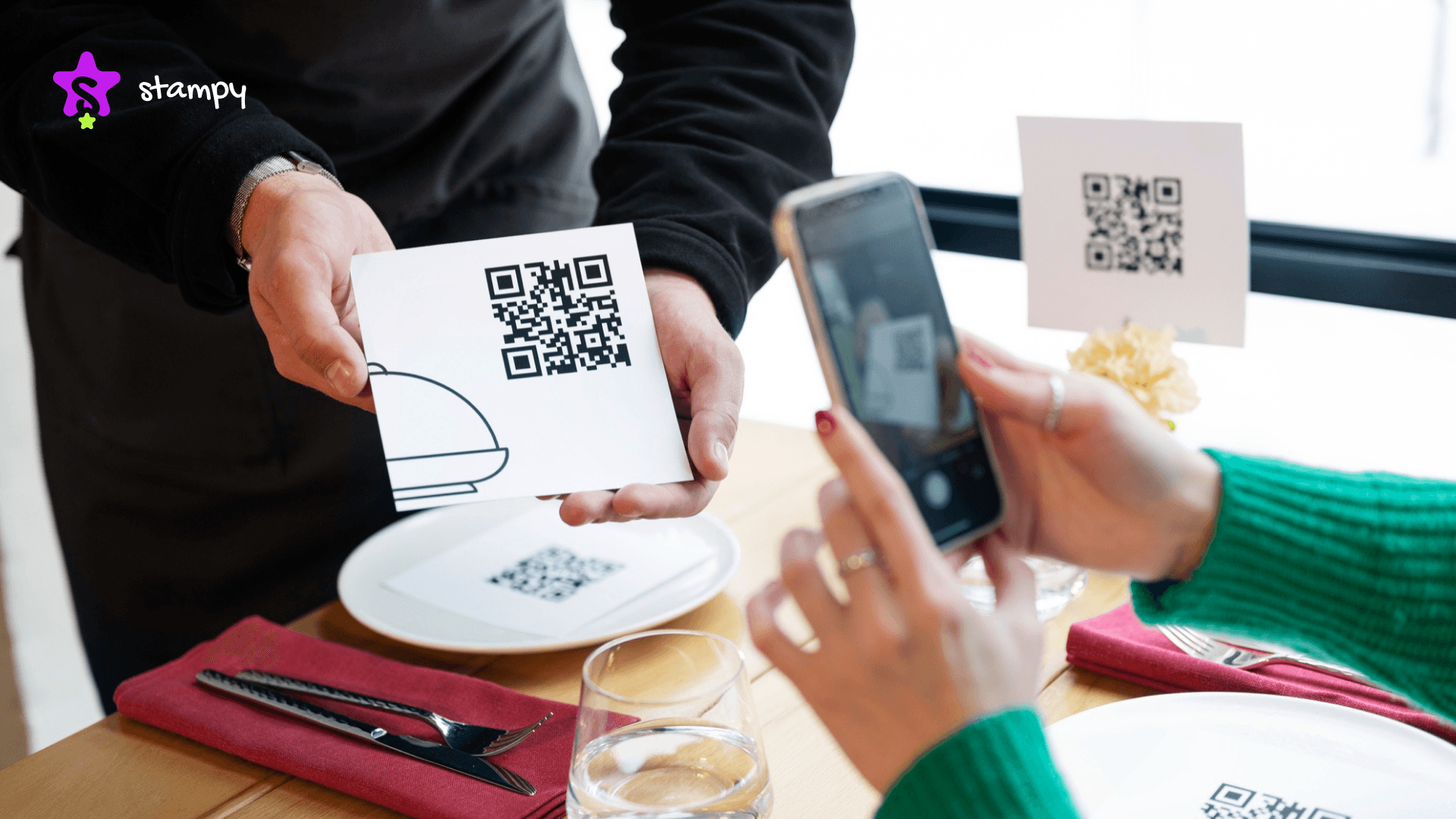
You can run several campaigns at once and change them anytime, with no reprinting or wasted cards. Staff scans the customer's QR code, and the stamp lands in seconds, which suits a busy service. It works as a restaurant repeat customer program with no hardware to buy and no POS integration. Explore the full Stampy features, see the restaurant loyalty program, or compare plans and pricing.
Conclusion
Slow restaurant days do not always require broad discounts to bring customers back. Targeted loyalty rewards can give customers a reason to visit on the exact days or during the hours when traffic is lowest. Bonus stamps, challenges, member rewards, referrals, and win-back offers can help shift visits into these quieter periods while keeping the offer relevant to the behavior you want to encourage.
Start with one slow period and one clear goal, then keep the reward simple and time-limited. Track visits, order value, redemptions, repeat visits, and reward costs to see whether the campaign creates additional business. The goal is to use loyalty rewards strategically to increase slow-day traffic without training customers to expect constant discounts.
Frequently Asked Questions
What is a good restaurant loyalty promotion for a slow day?
A double stamp day on your quietest weekday is a simple and easy starting point for most restaurants. It rewards visits only when you need them, so your regular menu prices and margins stay protected.
Do double points or double stamps work for restaurants?
They can work when limited to a specific day or time, because customers get a reason to shift their visit. Test the offer for a few weeks and compare visits against normal weeks before making it permanent.
Should restaurants use discounts on slow days?
Discounts can help, but they work best when limited to one day or daypart and paired with loyalty tracking. Extra stamps, add-ons, and early access often cost less than cutting menu prices for everyone.
How long should a slow day loyalty campaign run?
Run a first test for two to four weeks so you can compare results against a normal baseline. If visits rise on the target day and costs stay reasonable, extend it or try a second idea.
How can a restaurant promote a slow day loyalty offer?
Tell members before the quiet period through app notifications, table signs, receipts, social posts, and staff mentions. Repeat the message a day or two ahead so regulars can plan their visit around it.
How do you measure whether a restaurant loyalty promotion worked?
Compare visits, revenue, average order value, and new members during the campaign against the weeks before it started. Also subtract reward costs, and ask whether the visits would probably have happened without the offer.
Can restaurant loyalty programs work for takeaway and pickup?
Yes, you can add extra stamps or bonus progress for pickup and direct orders during quiet hours. This helps when takeaway demand drops on the same days that dine-in traffic is weak.