12 min read



Key Takeaways
- Define one measurable goal before you decide on rewards or platforms.
- Match the loyalty model to how customers already buy from you.
- Keep rewards simple enough to explain in a single sentence.
- Promote the program at every checkout, not just at launch.
- Measure actual behavior, like redemptions and repeat visits, not just sign-ups.
Getting a customer to buy from you once is only the first step. The bigger challenge is giving them a reason to come back instead of choosing a competitor the next time they need the same product or service.
A loyalty program can help by giving customers a clear benefit for returning. That benefit could be a free product, discount, points, or another reward. The best loyalty programs don't need to be complicated or expensive. A cafe might reward customers after several visits, while a salon could offer a discount after a certain number of appointments. An online store might give customers points they can use toward future purchases.
The key is to choose a program that fits your business, matches your customers' buying habits, and offers a reward they actually value. In this guide, you'll learn how to plan, launch, promote, and improve a loyalty program for your small business.
What Is a Loyalty Program?
A loyalty program is a system that rewards customers for continuing to buy from a business. The reward could be a free product, discount, points, exclusive offer, or another benefit.
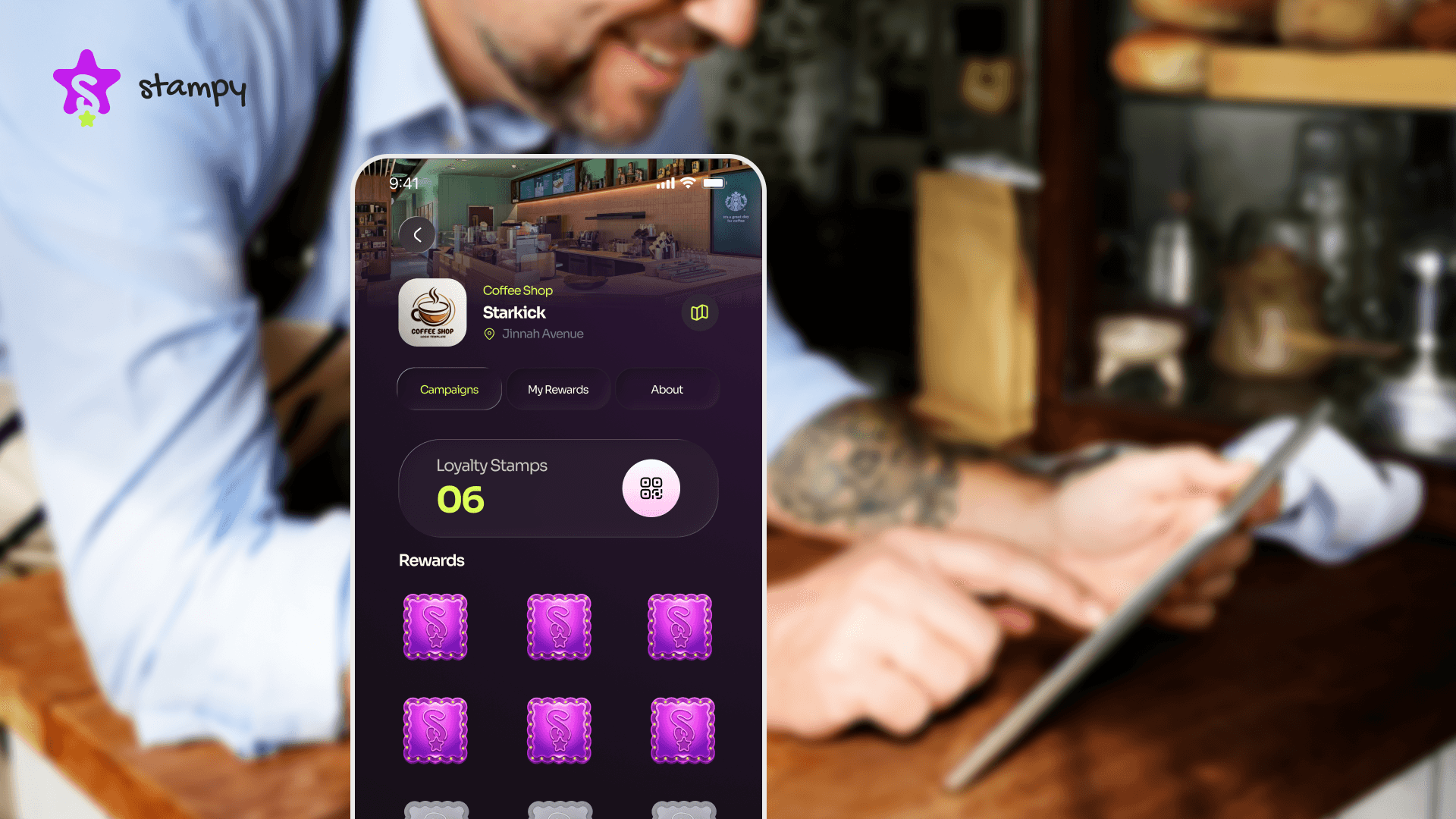
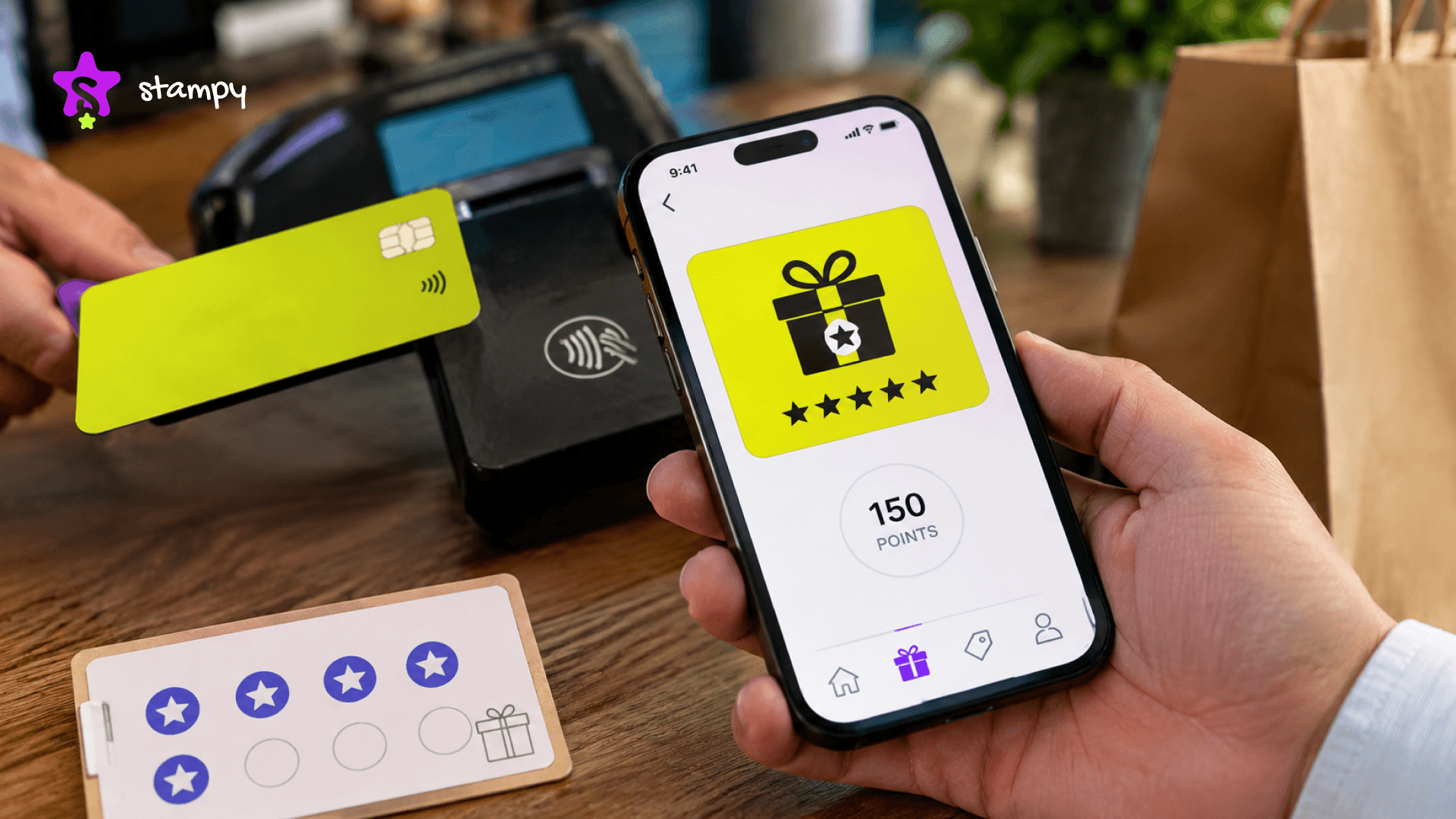
Traditional loyalty programs often used paper punch cards. Digital programs work in a similar way but can track purchases, visits, points, and rewards electronically. For example, customers might buy nine coffees and get the tenth free.
The technology is only part of the program. The real purpose is to encourage customers to return and make your business part of their regular buying habits.
Why Should Small Businesses Launch a Loyalty Program?
Keeping existing customers is usually cheaper than finding new ones. A loyalty program is a simple way to encourage customers to come back and buy from you again. Research on customer retention and recent loyalty program surveys support this approach.
Metric | Finding | Source |
Program ROI | 92.7% of program owners report positive ROI, averaging 5.3x | Antavo, Global Customer Loyalty Report 2026 |
Program satisfaction | 83% of program owners are satisfied with performance, up from 69.2% the prior year | Antavo, Global Customer Loyalty Report 2026 |
Retention and profit | A 5% increase in retention rates raises profits 25–95%, depending on industry | Frederick Reichheld, The Loyalty Effect, Bain & Company (1996) |
Acquisition cost | Acquiring a new customer costs 5–25x more than retaining one | Amy Gallo, Harvard Business Review (2014) |
These differences can have a real impact on business growth. A loyalty program can help create these results by giving customers more reasons to return and buy again.
Increase Repeat Purchases
Loyalty programs give customers a reason to make their next purchase sooner. When customers can see that they are getting close to a reward, that progress can give them another reason to return instead of buying from a competitor. For example, a coffee shop might reward customers after ten visits, while a salon could offer a reward after five appointments. A digital loyalty program can make this progress easy to see and give customers a clear reason to keep coming back. Learn more about the psychology behind repeat customers.
Improve Long-Term Retention
Retention is different from getting someone back for their next visit. It's about whether they're still your customer six months from now. A loyalty program builds a habit that's harder to break than a one-time discount elsewhere. Customers with unused rewards rarely leave for somewhere else entirely. That's what keeps customers coming back instead of disappearing for good.
Increase Customer Spending
Someone chasing a reward will often spend a little more to reach it. A customer close to a discount might grab one more item just to qualify. Bonus point days or tiered rewards can push this further without lowering your prices. It's a small push rather than a hard sell, but it adds up over every visit.
Encourage Customer Referrals
A customer who feels appreciated is more likely to talk about your business on their own. A referral reward turns that word-of-mouth into something you can actually see and count. With a referral reward, you can see exactly who's bringing in new customers, and reward them for it. New customers who arrive this way already trust you, since a friend vouched for you first. That built-in trust is what makes referrals one of the cheapest ways to grow.
Build Stronger Customer Relationships
Rewarding someone for simply showing up tells them you noticed, and that matters more than it sounds. A birthday discount or a small "thanks for five visits" gesture goes a long way. These are the details customers remember and mention to friends later. Over time, that builds real loyalty, not just a string of repeat transactions.
How to Set Up a Loyalty Program in Easy Steps
The goal is to create a digital loyalty program for small business that encourages customers to return while being simple enough for your team to manage consistently.
1. Define Your Loyalty Program Goal
Start by deciding what you want the program to achieve. You may want to increase repeat purchases, encourage more frequent visits, raise average order value, generate referrals, or improve customer retention.
Choose one primary goal to begin with. Having a clear objective will make it easier to decide what customer behavior to reward and how to measure whether the program is working.
2. Decide What Customer Behavior to Reward
Once you have a goal, determine which customer actions support it. Depending on your business, you could reward purchases, repeat visits, referrals, reviews, or spending above a certain amount.
Keep the initial program focused. Trying to reward too many behaviors can make the system confusing for customers and difficult for employees to manage.
3. Choose the Right Loyalty Program Type
The structure of your program should match how customers already interact with your business.
For example, a coffee shop with frequent, similar purchases may benefit from a simple stamp system, while a retailer with different product prices may find points more practical. A premium business with high-value customers could use tiers to offer different benefits based on spending.
Choose the model that supports your goal and fits your customers' buying habits rather than simply choosing the most popular option.
Loyalty type | Best for | Example |
Stamp or punch card | Cafes, salons, car washes | Get a free service after 5 visits |
Points | Retail and ecommerce | Earn 1 point for every $1 spent |
Tiered rewards | Businesses with frequent or high value customers | Silver, Gold, and VIP levels |
Referral rewards | Businesses that rely on word of mouth | Give $10, get $10 |
Visit based rewards | Gyms, salons, service businesses | Get a reward after 5 visits |
4. Create a Simple Reward Structure
Your rewards should be easy to understand and worth working toward. For example, a salon could offer a discounted service after several visits, while a retailer might give members early access to new collections or exclusive sales.
Avoid making customers wait too long to receive a reward or requiring them to understand complicated calculations.
5. Choose a Loyalty Program Platform
If you're running the program digitally, choose a platform based on what your business actually needs. A free loyalty program app can be a practical starting point if you want to test digital rewards before committing to paid software.
Knowing how to create a loyalty program for small business starts with choosing a system that is simple for both customers and employees. You want a platform that makes it easy to enroll customers, track rewards, and manage the program without adding extra work for your team.
Stampy provides a simple way to manage digital loyalty programs without relying on paper cards or manual tracking. When choosing the best digital loyalty card app, consider how easily it fits into your current workflow. A good loyalty platform should make it easier to start and run your program, not add another complicated process to your daily operations.
6. Set Up and Test Your Loyalty Program
Before you launch your loyalty program, set up the rules and test the customer experience from start to finish. Make sure customers can join easily, earn rewards correctly, and understand how to redeem them.
If you're ready to start loyalty program, keep the first version simple. Set clear earning rules, choose a small number of rewards, and make sure your staff knows how the program works.
Set clear earning rules, choose a small number of rewards, and make sure your staff knows how the program works. Test the program yourself before promoting it to customers. Check the signup process, reward tracking, notifications, and redemption process to make sure everything works as expected.
7. Launch and Promote Your Loyalty Program
Once your loyalty program is set up and tested, it's time to launch it. Start by introducing the program to your existing customers and explaining how they can join, earn rewards, and redeem them.
When you launch loyalty program, use the channels your customers already interact with, such as your website, email, social media, receipts, packaging, or in-store signage. Make the signup process clear and give customers a simple reason to join.
You don't need a large marketing campaign for your loyalty program launch. Start with your existing customer base, see how they respond, and continue promoting the program as part of your regular customer communication.
8. Give Customers a Reason to Join
Give customers an immediate reason to sign up. You could offer a small discount, bonus points, a free add-on, or credit toward their next purchase.
The incentive doesn't need to be expensive. It simply needs to make joining feel worthwhile and reduce the hesitation customers may have about signing up.
How to Run Your Loyalty Program After Launch
Launching the program is only the beginning. Keep an eye on how customers use it and make small changes over time to keep the program useful and effective.

Track Your Loyalty Program Performance
Once the program is running, measure whether customers are actually engaging with it. Look beyond the number of members and track repeat purchase rate, purchase frequency, reward redemptions, average order value, referrals, and customer retention.
These numbers can also help you identify problems. For instance, high membership numbers with low reward redemptions could mean that rewards are difficult to reach, while low sign-ups may indicate that customers don't know about the program or don't see enough value in joining.
Improve Your Loyalty Program Over Time
Your first version doesn't need to be perfect. Review the results regularly and make adjustments based on customer behavior and feedback.
You might change the reward value, reduce the number of purchases needed to earn it, introduce a limited-time bonus, or add a referral benefit. At the same time, don't keep adding features simply for the sake of making the program more advanced.
The goal is to build a loyalty program that is simple to use, valuable to customers, and sustainable for your business.
Conclusion
The businesses that grow steadily aren't always the ones spending the most on ads or chasing every new customer they can find. Often, they're the ones that got serious about the customers already walking through their door. A loyalty program is how you do that: reward the right behavior, keep it simple, and make it effortless for people to stick around. Don't wait for the perfect setup. Launch something simple, then use what you see happening, like sign-ups, redemptions, repeat visits, to fix what isn't working. If you're ready to move on from paper cards and manual tracking, a digital loyalty app can have you set up in minutes.
Frequently Asked Questions
What is the best loyalty program for a small business?
It depends on how customers already buy from you. A single-product business does well with a simple punch-style reward, while a store with varied pricing usually gets more out of points. Either way, running it digitally beats paper, since a phone rarely gets left behind the way a card does.
How do I start a loyalty program for my small business?
Pick one clear goal, like more repeat visits or bigger orders, before choosing anything else. Then pick a simple reward, set it up through an app, and test the whole flow yourself first.
How much should I reward loyal customers?
Enough to feel worth chasing without eating into your margin over time. A free item or discount after five to ten purchases is a common, safe starting point. If customers lose interest early, the reward is probably set too far away.
Are loyalty programs worth it for small businesses?
Winning a new customer costs several times more than keeping one you already have, so a program that keeps people coming back usually pays for itself.
Should a small business use points or a stamp-style reward?
Both work well, and the right pick depends on what you sell. Stamp-style rewards suit businesses selling one main thing, like coffee or car washes. Points make more sense when prices vary a lot between purchases.
What are good loyalty rewards for small businesses?
Free items, discounts, and early access to new products all tend to perform well. A reward customers didn't want won't drive much engagement, no matter how generous it is.
How do I promote a loyalty program?
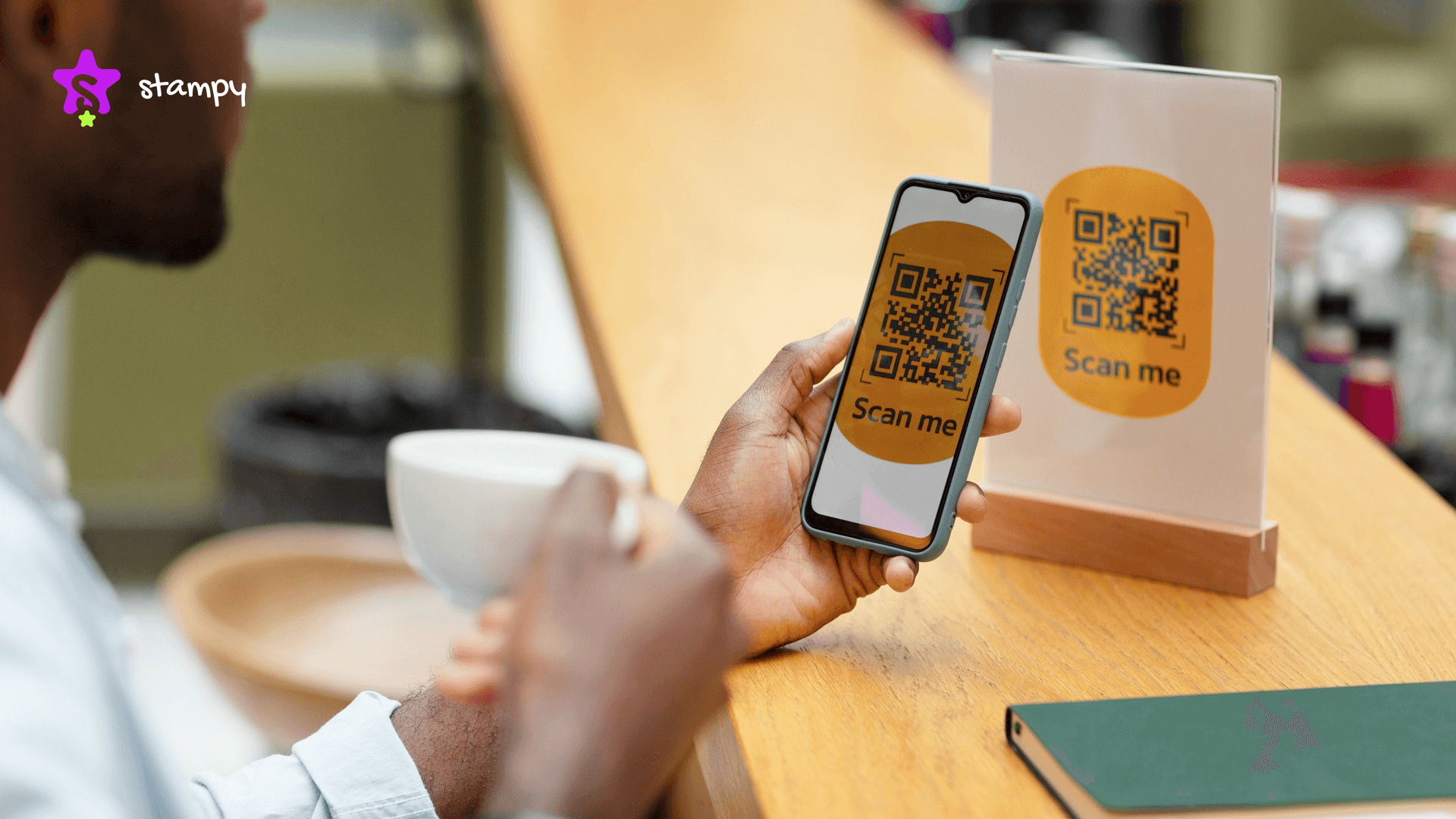
Mention it at checkout, since that's when customers are already thinking about their purchase. A QR code near the register, a line on receipts, and occasional social posts help too.
How hard is it to launch a loyalty program for a small beauty business?
Launching a loyalty program for a small beauty business does not have to be difficult. Start with a simple reward that encourages customers to return, such as a free treatment, discount, or reward after a certain number of visits. A digital loyalty platform can handle customer signups, reward tracking, and redemptions, making the program easier to manage.