10 min read




Is your loyalty program actually keeping customers or just collecting sign-ups? Most businesses run programs that look active but produce little real retention. The digital loyalty system landscape is changing fast, and brands that understand where it's heading are pulling ahead. This guide covers the biggest trends reshaping customer loyalty systems today, backed by real data and practical insight, so you can make smarter decisions about your own program.
Why Digital Loyalty Systems Matter
Not long ago, customer loyalty was a simple transaction. They walk into the restaurant, buy a coffee, get a physical ink stamp on a piece of paper card, and repeat the process until you earned a reward. It was entirely transactional, linear, and predictable. But consumer habits have evolved, and today’s buyers don’t just want a discount; they expect a meaningful relationship with the brands they support.
Most businesses treat loyalty programs as a marketing tool. The smarter ones treat them as a revenue engine. A digital reward system directly shapes how often customers come back, how much they spend when they do, and whether they tell anyone else about you. A customer who feels genuinely rewarded doesn't just return; they refer. That word-of-mouth effect alone makes a well-run customer loyalty system one of the most cost-efficient growth tools a business has.
The deeper reason it matters is emotional, not transactional. Customers who feel connected to a brand behave differently from those who just collect points. They stay longer, forgive mistakes more readily, and advocate louder. That connection doesn't happen by accident; it gets built through consistent, personalized, genuinely rewarding experiences over time. That's what a modern loyalty system is designed to create.
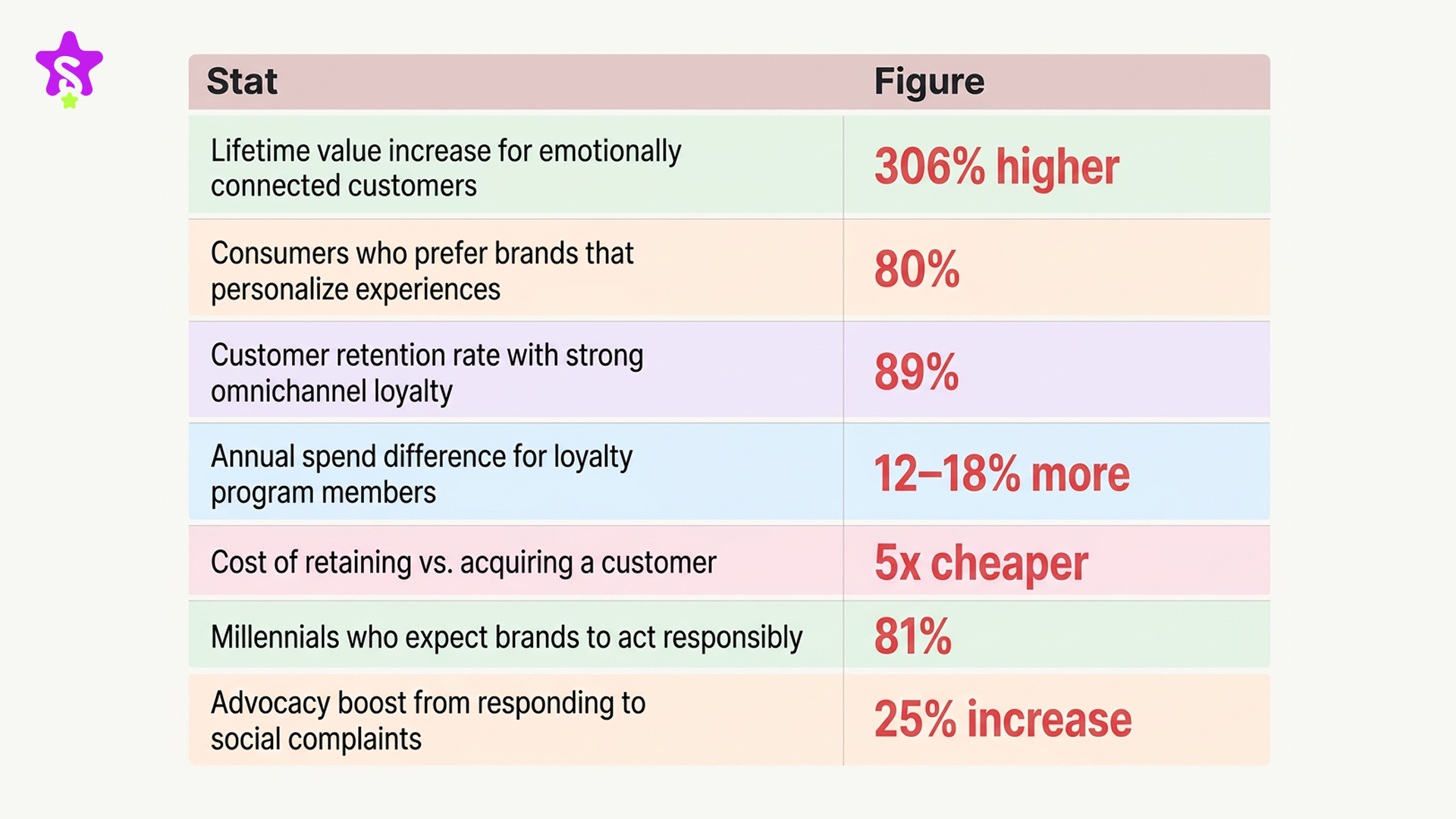
Before diving into the trends, here's what the numbers actually show. These figures aren't projections, and they make a clear case for treating loyalty as a core business function.
Future Trends in Online Loyalty Systems
The loyalty space is shifting faster than most businesses notice. Customer expectations have changed, technology has caught up, and programs that felt modern three years ago now feel dated. Here are the trends defining what works and what doesn't in digital loyalty programs right now.

Here are a few future trends in digital loyalty systems
Trend 1: Your Program Must Live on a Phone
Customers don't carry punch cards anymore; they carry phones. The digital loyalty program that isn't mobile-native, and isn't just inconvenient. It is invisible to the modern buyer. Mobile optimization goes beyond having a responsive webpage. It means:
- Behavior-triggered push notifications that reach the right customer at the right moment
- One-tap reward redemption
- Real-time stamp or points collection
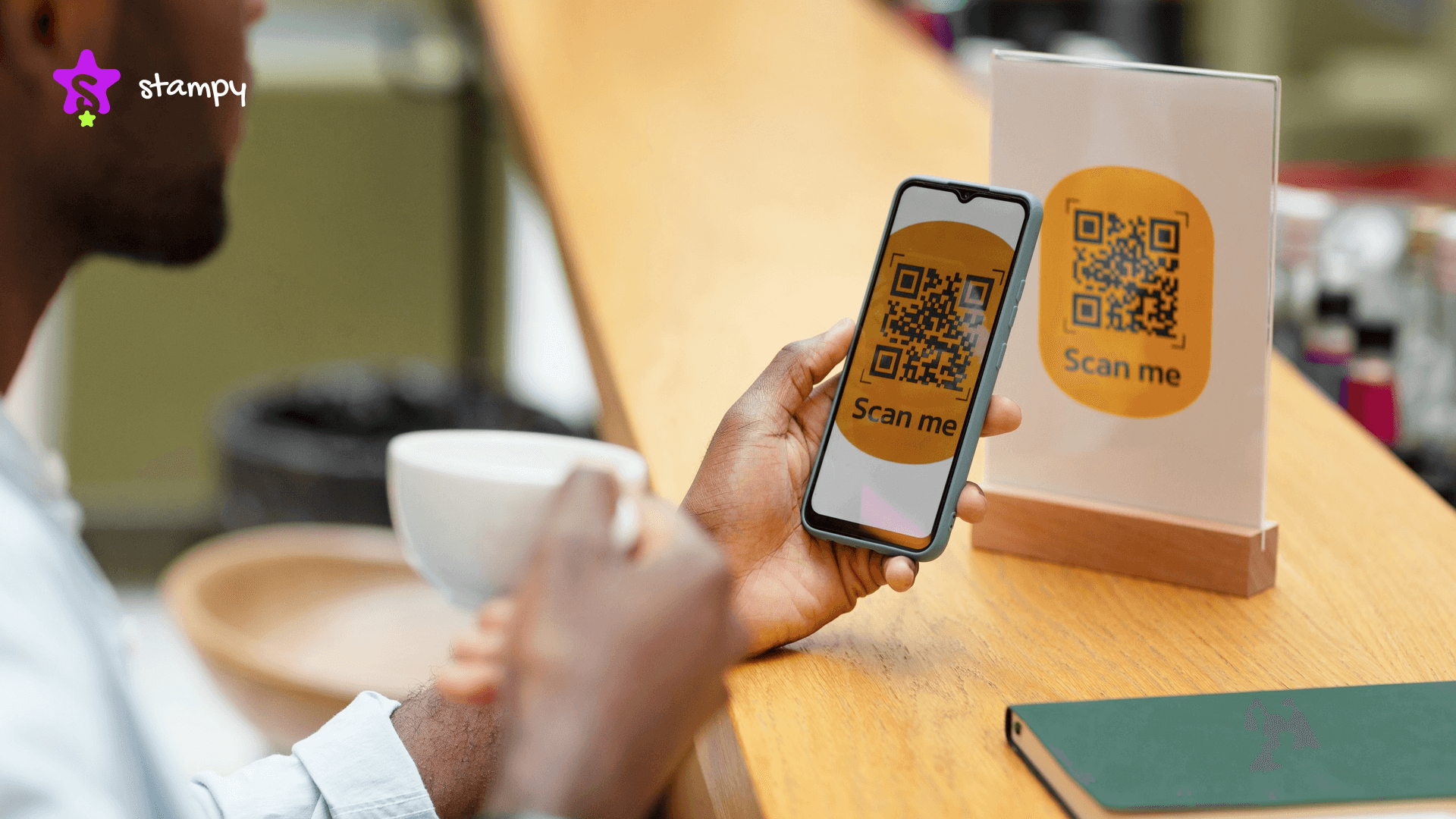
- QR code check-ins printed on packaging, receipts, or delivery orders
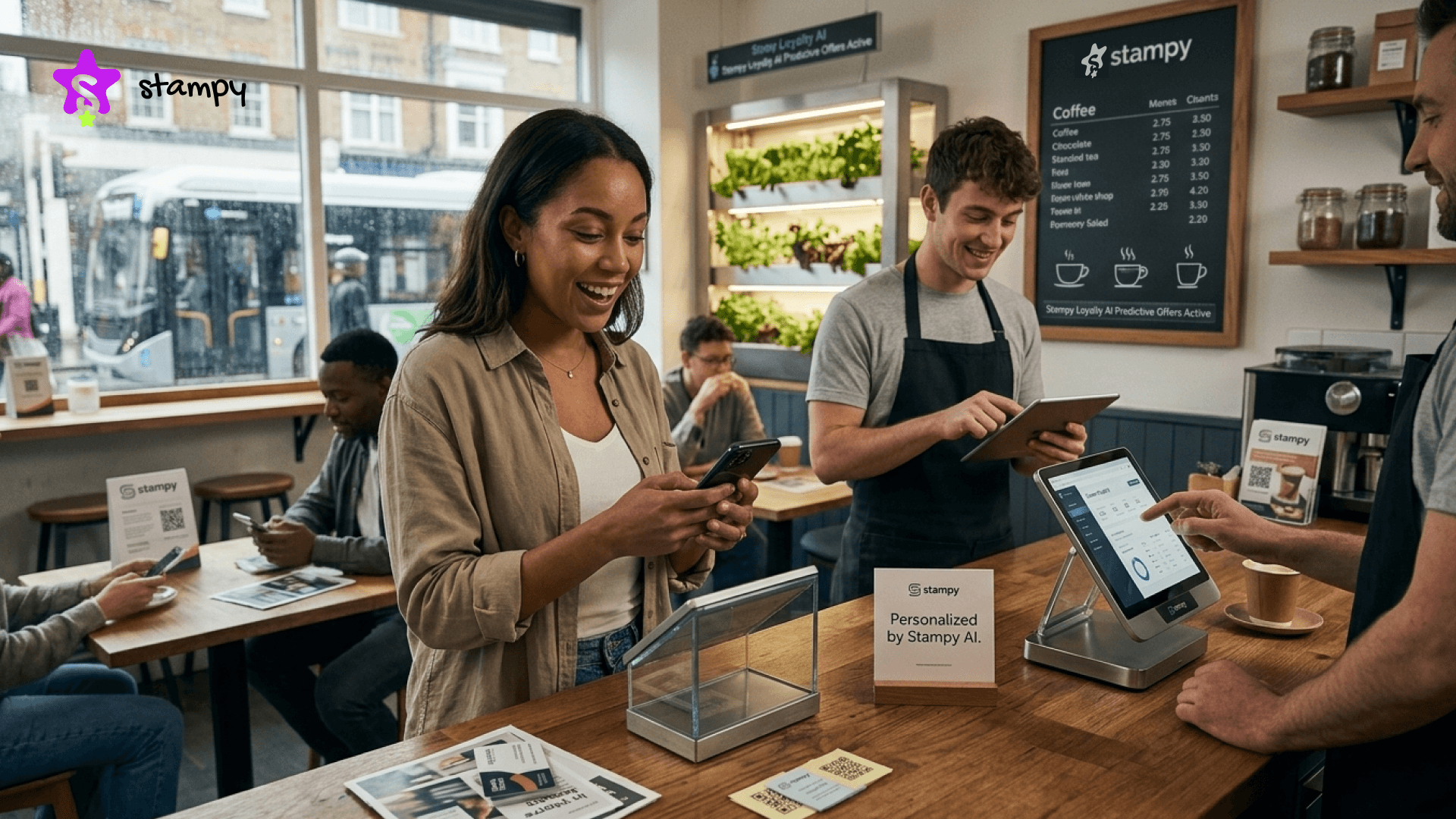
Consider what a well-timed notification does for a café: "You're one stamp away from a free coffee, and we'd love to see you today." That message converts because it's personal, relevant, and timely. No email campaign does that job as well.
Brands still using paper cards or static email blasts are invisible to the mobile-native customer. The gap between them and mobile-first competitors grows every month.
Trend 2: Personalization Has Replaced Generic Rewards
The old formula, spend money, earn points, get a discount, still works at a basic level. Customers have moved well beyond it. Around 80% of consumers say they're more likely to buy from a brand that personalizes the experience using their data.
A strong loyalty management system doesn't send the same offer to 10,000 people. It reads individual behavior and responds to it:
- A frequent buyer gets early access to new products
- A lapsed customer gets a "we miss you" reward with a short redemption window
- A high-value customer gets a surprise upgrade to a premium tier
- A first-time redeemer gets a congratulations message with next-step guidance
What used to require a full marketing team and expensive segmentation software is now built into most quality customer retention systems. The brands still sending a blanket 10% off coupon to their entire list are leaving real retention on the table.
Trend 3: Customers Cross Channels
Crate & Barrel discovered something important about furniture buyers: they never purchase in one touch. They browse on a laptop, revisit on mobile, consult their partner in-store, and complete the purchase through an app three weeks later. A customer engagement platform that only rewards one of those moments misses the entire journey.
Companies with strong omnichannel engagement retain 89% of their customers. Companies without it retain just 33%. That's not a small difference; it's the gap between a loyalty program that drives real revenue and one that quietly fails.
The online loyalty systems winning right now reward behavior across every touchpoint:
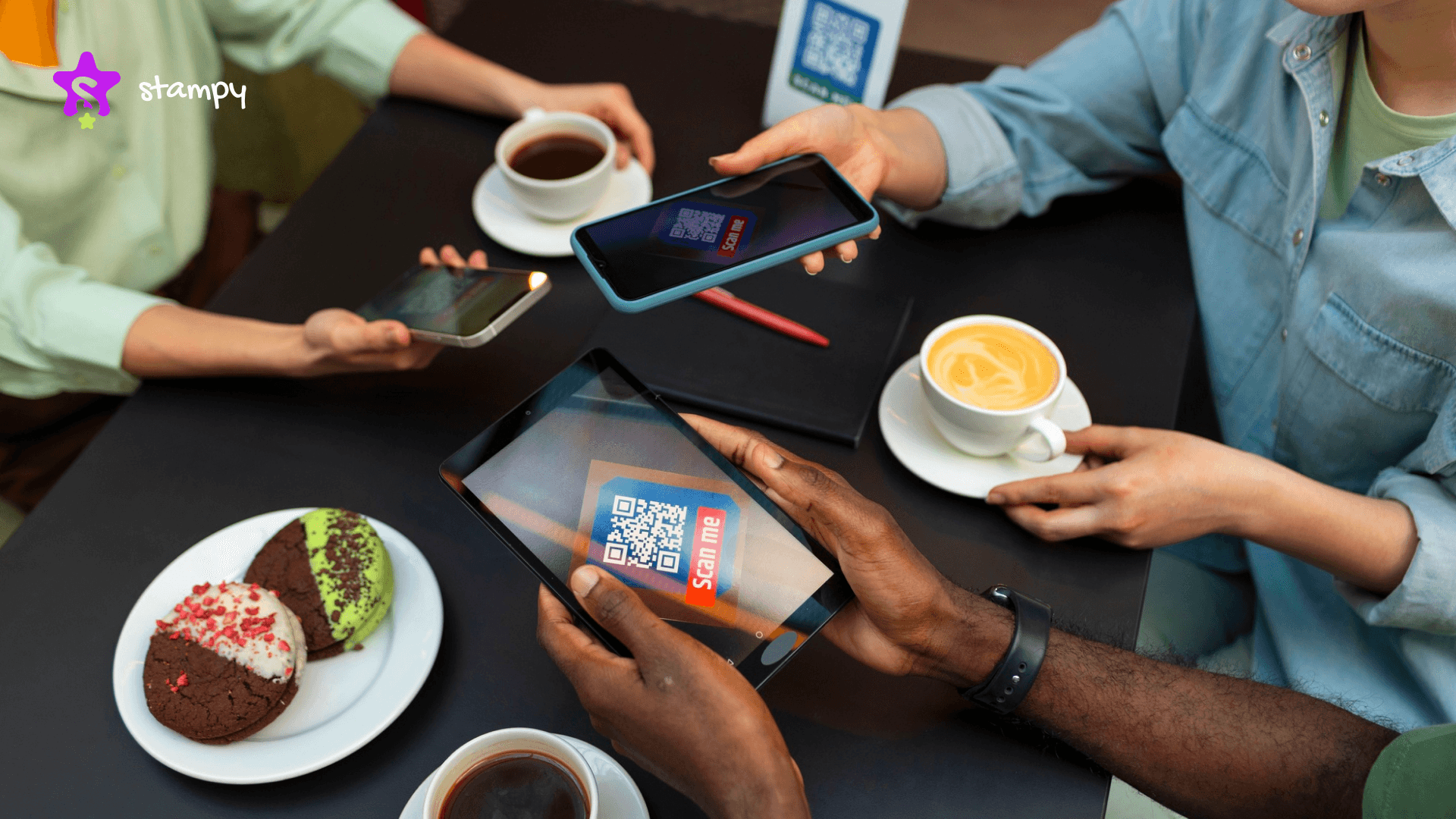
- In-store visits via QR code scans
- Online purchases through the app or website
- Third-party delivery orders via package QR codes
- Social media engagement and referrals
A customer who orders through the online app can scan a code on the packaging, collect their reward, and stay fully inside the brand's online rewards system; no direct transaction is needed. That continuity keeps customers connected between purchases, which is exactly when most programs go cold.
Trend 4: Gamification Turns Transactions Into Experiences
Points that become discounts are functional, and they're also forgettable. Gamification turns a transactional relationship into something customers genuinely look forward to and talk about. The following are the gamification features inside high-performing digital loyalty programs.
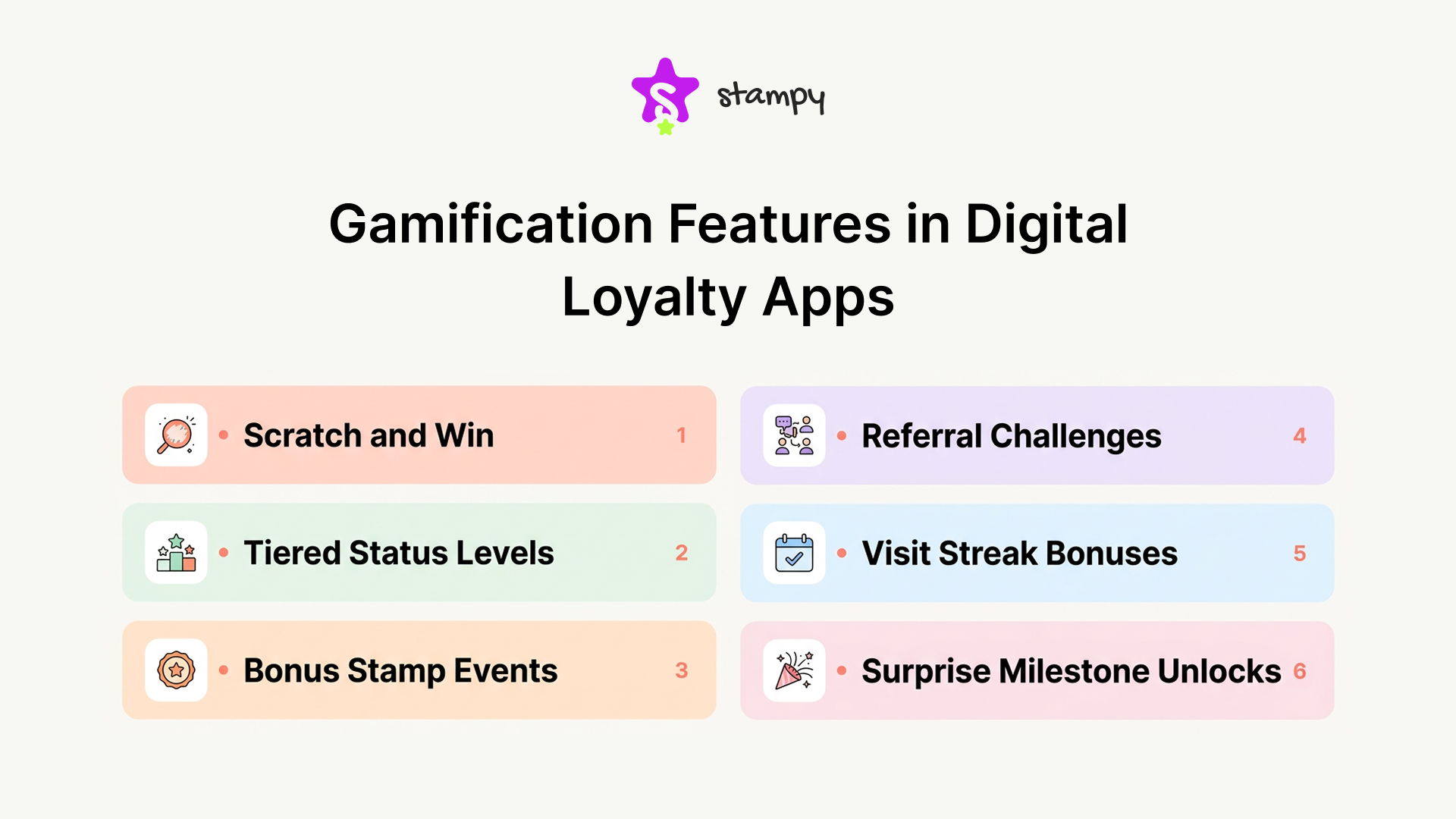
The psychology behind this is well-established. Variable, unpredictable rewards outperform predictable ones every time. A customer who doesn't know exactly what they'll earn next visits more frequently, opens the app between purchases, and shares the experience, creating organic word-of-mouth that no ad campaign can replicate cheaply.
Trend 5: Data Privacy Is Now a Competitive Differentiator
The loyalty management systems collect more behavioral data, the trust question has grown louder, and customers are paying attention in ways they weren't three years ago.
Regulations have tightened across most markets. Data breaches make headlines. Customers read terms and conditions more carefully. As a result, brands that handle data transparently are building trust that competitors treating privacy as a legal checkbox cannot match.
The loyalty platforms that hold their retention numbers over the next several years share three traits:
- They collect only what's genuinely useful, not everything they can
- They explain clearly how customer data is used in plain language.
- They give customers real control over their own preferences, not just an unsubscribe link
Privacy isn't a compliance cost. It's a reason customers choose you and stay.
Trend 6: Brand Partnerships Break the Single-Program Ceiling
Every standalone loyalty program eventually exhausts its novelty. A customer earns their tenth free coffee and wonders whether the program has anything new to offer. Partnership-based customer retention systems fix this by extending the rewards ecosystem beyond what one brand can offer alone.
A recent study found that third-party partnerships ranked among the highest-valued factors for hotel guests. Points redeemable only for hotel nights scored significantly lower than programs offering spa treatments, adventure experiences, and travel packages.
The lead researcher put it directly: variety drives engagement, and engagement drives wallet share.
The same logic applies across industries:
- A café partners with a cinema to offer movie ticket rewards
- A gym pairs with a nutrition brand to offer supplement discounts
- A retailer connects with a travel service to offer booking credits
The customer loyalty system becomes relevant across daily life, not just during visits to one store. Customers stay engaged between purchases because the program follows them further.
Trend 7: AI Is Moving Into the Customer Experience
AI has been running loyalty programs in the background for years, optimizing send times, scoring churn risk, and segmenting customer lists. What's changing now is that AI is appearing in the customer-facing layer of customer engagement platforms, and the difference is significant. The AI-powered loyalty programs deliver:
- Real-time reward recommendations based on the last purchase, not last month's segment
- Predictive re-engagement that reaches at-risk customers before they disengage, not after
- Dynamic tier adjustments based on behavioral trends rather than annual spend totals
- Personalized offer timing optimized by open-rate patterns per individual customer
For a loyalty platform operating at any real scale, this isn't a future upgrade. It's already the difference between programs that keep growing. Reactive loyalty, noticing a customer has gone quiet and sending a generic offer six weeks later, consistently underperforms proactive AI-driven engagement.
Trend 8: Brand Values are Part of the Loyalty Decision
This gets dismissed as soft, and the numbers say otherwise.
81% of Gen Z expect brands to publicly demonstrate responsible corporate behavior. 66% say they'll pay more to shop with brands that do. A customer loyalty system that connects purchasing behavior to something meaningful, a charitable cause, environmental contribution, or community program, reaches the emotional layer of loyalty that discounts and points can't access.
This doesn't mean adding a sustainability page to your website. It means building shared values into how the loyalty program works, so customers feel their spending means something beyond the next free product.
Conclusion
The brands winning at customer retention aren't running better versions of old loyalty programs. They've rebuilt the underlying logic from a system that tracks transactions to one that understands people.
Mobile delivery, real personalization, omnichannel reach, gamification, data trust, brand partnerships, AI-driven engagement, and shared values all reinforce each other inside a well-built digital loyalty program. None of them works in isolation, but together, they create an experience customers actually value rather than one they tolerate until something better comes along.
The question worth asking about your own program: are customers engaged because of it, or despite it? Ready to upgrade your online loyalty system? Start by auditing which of these eight trends your current program already covers and which ones it's missing.
Frequently Asked Questions
What is an online loyalty system?
An online loyalty system is a digital platform that rewards customers for repeat purchases, visits, or brand engagement. Customers earn stamps, points, or rewards through an app or website and redeem them for products, discounts, or exclusive experiences. Modern systems also personalize offers using behavioral data and trigger communications based on individual customer activity, not just calendar dates.
How does a digital loyalty program differ from a paper punch card?
A paper punch card records one thing: visits. A digital loyalty program tracks behavior across multiple channels, personalizes rewards per customer, sends real-time push notifications, supports gamification mechanics like Scratch & Win campaigns, and provides detailed analytics on what's working. The capability gap between the two is significant at every touchpoint.
What makes a customer retention system actually effective?
The most effective customer retention systems combine three things: rewards that match what individual customers actually want, communications timed to behavior rather than a marketing calendar, and a rewards ecosystem broad enough to stay relevant across daily life. Generic offers sent to everyone at the same time are the most common reason loyalty programs underperform their potential.
How does AI improve a loyalty management system?
AI in a loyalty management system handles what no manual process can replicate at scale. It identifies customers likely to churn before they decide to leave, times messages for maximum impact per individual, personalizes recommendations based on real purchase history, and adjusts program parameters continuously based on live performance data, not quarterly reviews.
How do brand partnerships make loyalty programs more effective?
Single-brand programs eventually hit a novelty ceiling. Partnership-based customer loyalty systems extend the rewards ecosystem across multiple brands, keeping the program relevant across a wider range of daily spending.