12 min read




Key Takeaways
- Happy customers are satisfied with their experience, while loyal customers continue choosing the same business over time.
- Customer satisfaction does not automatically lead to customer loyalty.
- A good experience can create satisfaction, but consistency, trust, personalization, and value help build loyalty.
- Repeat purchases, referrals, and customer behavior can reveal loyalty better than a single satisfaction survey.
- Small businesses can turn happy customers into loyal customers by giving them strong reasons to return.
Every business wants happy customers. After all, happy customers are more likely to have positive experiences, leave good reviews, and recommend a business to others. But there is an important difference between a customer who is happy with an experience and one who is truly loyal to a business.
A customer can enjoy a product or service and still choose a competitor the next time they need something similar. Customer satisfaction is important, but it does not automatically create customer loyalty. Understanding the difference can help businesses focus on creating experiences that encourage customers to keep coming back.

What Is Customer Satisfaction?
A happy customer is someone who has had a positive experience with your business. They may have received exactly what they expected, found your service helpful, or simply enjoyed the overall experience.
Customer satisfaction is usually connected to a specific interaction or experience. For example, if a customer orders a product and it arrives on time, matches the description, and works as expected, they are likely to feel satisfied with the purchase.
Businesses often use customer satisfaction surveys to understand how customers feel about their products or services. CSAT, or Customer Satisfaction Score, is one common way to measure satisfaction after a specific interaction.
However, a satisfied customer is not necessarily a loyal customer. Someone can be happy with a purchase today and still decide to buy from another business tomorrow.
Customer satisfaction tells you how customers feel about an experience, while customer loyalty tells you whether they continue choosing your business over time.
What Is Customer Loyalty?
A loyal customer has developed a stronger relationship with your business. They do not simply have a positive experience. They continue choosing your products or services because they trust your business, value what you offer, or have developed a preference for your brand.
Loyal customers are more likely to make repeat purchases, visit your business regularly, recommend you to friends and family, and continue engaging with your brand. They may also be more willing to give feedback because they have a reason to care about the business.
This kind of repeat behavior is what makes customer loyalty so valuable for businesses. While satisfaction can be based on one experience, loyalty develops through multiple positive experiences over time.
A loyal customer does not have to love every single interaction. They can still complain about a product or service and remain loyal if they trust the business and believe the overall relationship is valuable.

Happy Customers vs. Loyal Customers: Key Differences
Customer Satisfaction | Customer Loyalty |
Focuses on a recent experience | Develops over multiple experiences |
Shows whether expectations were met | Shows whether customers choose your business repeatedly |
Can change quickly | Develops over time |
Often measured with CSAT | Can be measured through retention, repeat purchases, referrals, and NPS |
Does not guarantee another purchase | Stronger indicator of repeat business |
Based mainly on the customer experience | Built through experience, trust, value, and connection |
A happy customer shows that your business created a positive experience. A loyal customer shows that the experience, value, and relationship were strong enough to influence their future behavior.
This is why businesses should not only focus on making customers happy during individual interactions. They also need to think about what will make those customers want to return.
Why a Satisfied Customer Isn't Automatically a Loyal One
Imagine a meal delivery service that repeatedly makes mistakes with a customer's weekly order. Each time something goes wrong, the customer contacts support, and the company responds quickly, apologizes, replaces the missing item, and perhaps provides a discount.
The customer may be satisfied with the way the support team handles each problem. They may even give the company a high satisfaction score after receiving help. However, if the same problems continue to happen, the customer may eventually decide to use another service.
This shows why customer satisfaction and customer loyalty are different. A business can provide excellent support when something goes wrong and still lose customers if the underlying problems continue.
Customers also have many reasons to switch. A competitor may offer a lower price, better convenience, faster service, more choices, or a stronger loyalty program. Even a customer who genuinely likes your business may choose another option if they believe it provides more value.
The goal is not simply to satisfy customers after every interaction. Businesses also need to create an overall experience that gives customers a reason to continue choosing them.
The Emotional Difference
Customer satisfaction is often based on whether an experience met expectations. Loyalty can involve something deeper because customers develop familiarity, trust, and an emotional connection with a business over time.
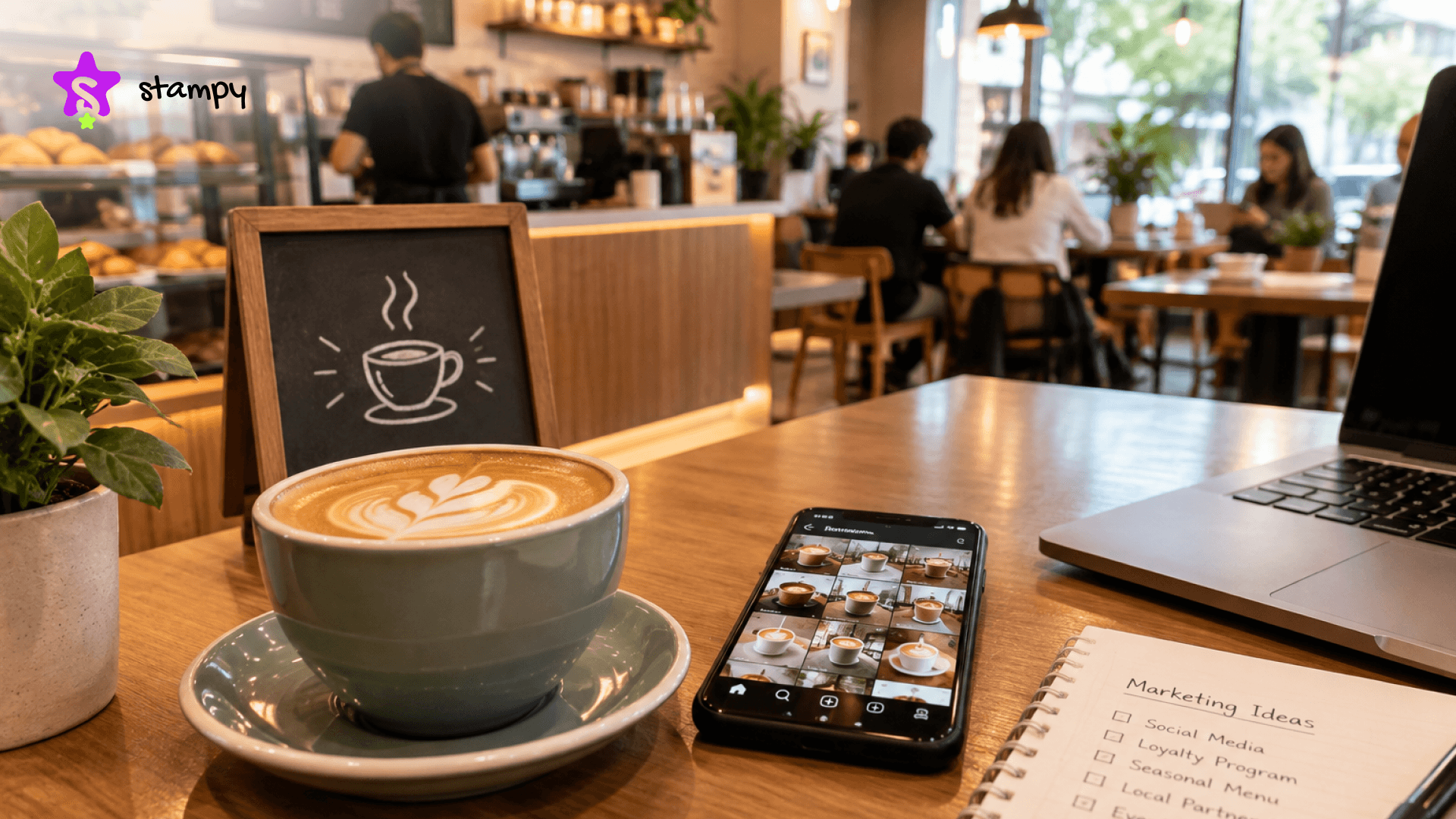
Think about a local coffee shop where the staff remembers your usual order. Or consider a salon where the stylist remembers what you liked during your previous appointment. These details may seem small, but they can make customers feel recognized rather than treated like another transaction.
A positive experience can make a customer happy, but repeated experiences can create a stronger relationship. When customers feel understood and valued, they may be more likely to return even when other options are available.
This is why personalization can play an important role in customer loyalty. A business that understands its customers can provide more relevant offers, better experiences, and stronger reasons for customers to stay connected.

How Companies Like Starbucks Show the Difference in Action
Starbucks provides a useful example of how customer satisfaction and loyalty can work together. A customer may enjoy their coffee, receive good service, and leave satisfied after one visit. That creates a positive customer experience.
The loyalty relationship becomes stronger when customers have additional reasons to return. Rewards, personalized offers, convenience, and an easy way to engage with the brand can all encourage customers to make another purchase.
Small businesses can use the same basic idea without needing the size or resources of a company like Starbucks. A coffee shop can reward customers after a certain number of purchases, while a salon can reward customers after several appointments.
If you are planning a loyalty program for your business, you can learn more about how to launch a loyalty program for a small business and create a program that gives customers a clear reason to return.
The important point is that a good experience creates satisfaction, while consistent value and meaningful rewards can help turn that satisfaction into repeat behavior.
Behavior Tells the Real Story
If you want to understand whether customers are simply happy or genuinely loyal, look at what they do after the initial purchase or interaction.
A satisfied customer may leave a great review after receiving excellent service and then switch to another business when they find a better deal. Their positive feedback was genuine, but the relationship was not strong enough to influence their future buying decision.
A loyal customer behaves differently. They may notice problems or complain about a price increase, but they continue using the business because they value the overall relationship. They may also recommend the business to friends and family or continue buying even when other options are available.
This is why businesses should look beyond individual satisfaction surveys. Tracking repeat purchases, customer retention, purchase frequency, referrals, and customer lifetime value can provide a better understanding of customer loyalty.
For more practical ways to encourage customers to return, see how to get repeat customers: 10 strategies that work.
How to Turn Happy Customers Into Loyal Customers
A good customer experience is the starting point for building loyalty, but businesses also need to give customers reasons to return. This can involve consistent service, personalized experiences, meaningful rewards, and regular communication.
Give Customers a Reason to Return
A positive experience does not always create a repeat purchase. Businesses can encourage customers to return by providing useful offers, rewards, new products, or experiences that make another visit worthwhile.
For example, a coffee shop can offer a reward after several purchases. A salon can provide an incentive for a customer's next appointment, while a restaurant can offer something special to regular customers.
Make Customers Feel Valued
Customers notice when a business remembers them and understands their preferences. Using a customer's name, recognizing regular visits, remembering previous purchases, and providing relevant offers can make the experience feel more personal.
These small details can strengthen the relationship and help customers feel that they are more than just another transaction.
Reward Repeat Purchases
Rewards can give customers an additional reason to return. A simple loyalty program can recognize customers for repeat purchases and make the relationship more valuable for both the customer and the business.
The program does not need to be complicated. Customers should be able to understand how they earn rewards, what they can receive, and how they can redeem them. If you want to increase loyalty program signups, see how to get more customers to join your loyalty program for practical ways to encourage more customers to join.
Stay Consistent
Loyalty is built through repeated experiences, not one successful interaction. A customer may forgive one mistake, especially when a business handles the problem well, but repeated problems can slowly weaken trust.
Consistent products, service, communication, and customer support help customers know what they can expect each time they choose your business.
Ask for Feedback and Act on It
Customer feedback can help businesses understand what customers like and where the experience needs improvement. More importantly, acting on that feedback shows customers that their opinions matter.
Customers who feel heard and valued are more likely to develop a stronger relationship with a business.
Use Stampy to Turn Satisfied Customers Into Loyal Customers
A satisfied customer already has a positive experience with your business, but that does not always mean they will return. Giving customers a reason to come back can help turn that positive experience into repeat business, and a simple loyalty program is one way to create that reason.
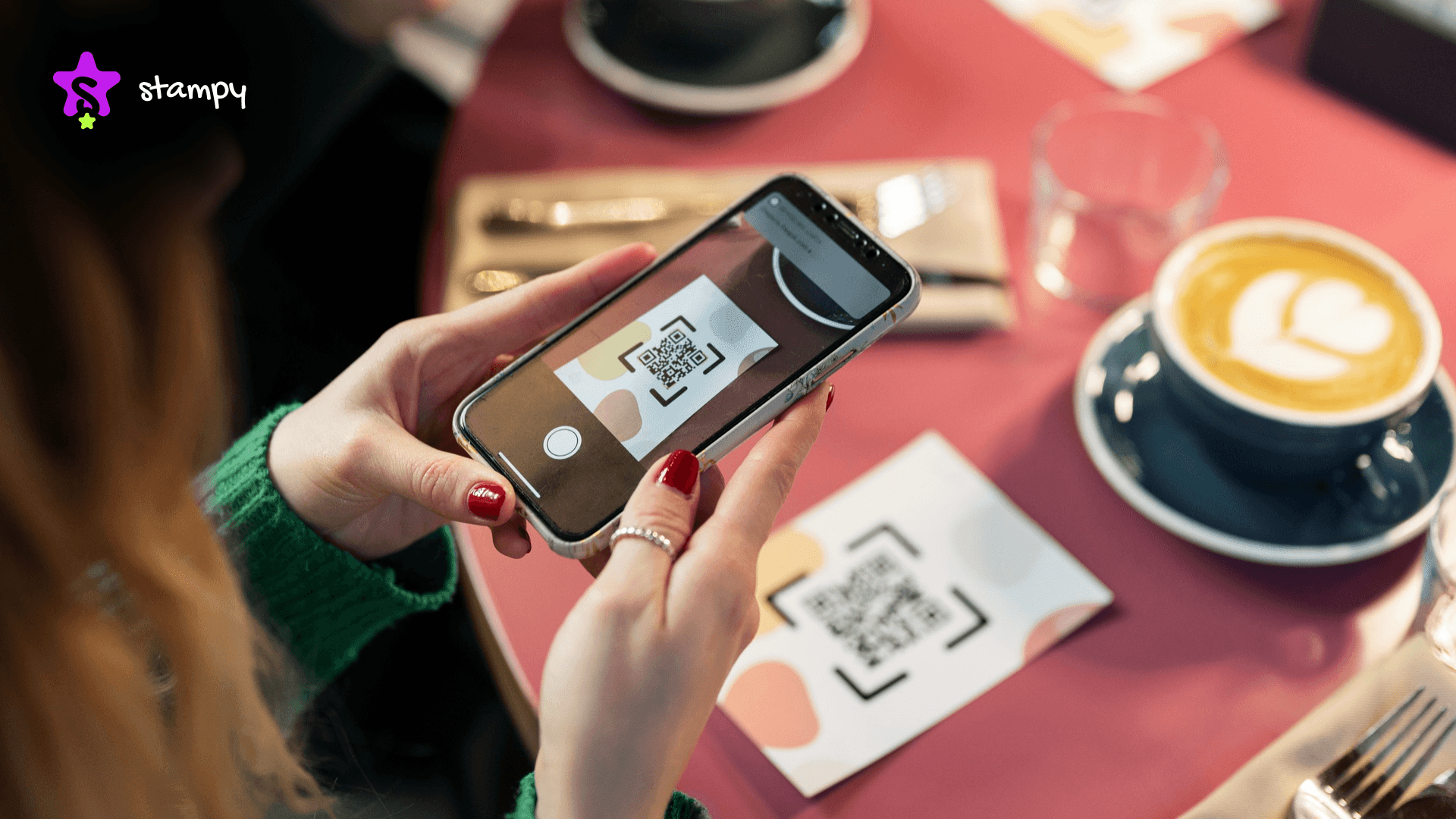
With Stampy, businesses can create digital loyalty programs that reward customers for repeat purchases and visits. Customers can collect digital stamps and work toward rewards without relying on traditional paper loyalty cards, making it easier for businesses to recognize and reward their regular customers.
For example, a coffee shop can reward customers with a free drink after a set number of purchases. A salon can offer a reward after several appointments, while a restaurant can give regular customers a special reward for repeat visits. These rewards can encourage customers who already enjoy the business to keep coming back.
By rewarding repeat purchases and visits, Stampy helps businesses encourage repeat business and build stronger customer relationships over time. Get started with Stampy to create a simple digital loyalty program for your customers.
How to Measure Customer Satisfaction and Loyalty
Customer satisfaction and customer loyalty require different measurements because they tell you different things about the customer relationship.
Measuring Customer Satisfaction
Customer satisfaction focuses on how customers feel about a specific experience, product, service, or interaction. CSAT can help businesses understand whether customers were satisfied with a particular experience, while reviews, surveys, and direct feedback can reveal what customers liked or disliked.
Customer Effort Score can also help businesses understand how easy or difficult it was for customers to complete an action or solve a problem. These measures can help identify areas where the customer experience needs improvement.
Measuring Customer Loyalty
Customer loyalty is better understood by looking at customer behavior over time. Repeat purchase rate shows how many customers return to make another purchase, while retention rate shows how effectively a business keeps customers over a specific period.
Purchase frequency can show how often customers return, while referral activity can reveal whether existing customers are recommending the business to other people. Customer lifetime value can also help estimate the total value a customer brings to the business throughout the relationship.
Net Promoter Score can show how likely customers are to recommend a business, but it works best alongside actual customer behavior. Looking at both customer feedback and customer actions gives businesses a clearer picture of satisfaction and loyalty.
Bottom Line
Customer satisfaction absolutely matters. It is difficult to build loyalty when customers are consistently disappointed. But satisfaction is not the finish line. A customer can be happy with one purchase and still choose a competitor the next time. Loyalty develops when positive experiences become consistent, trust grows, and customers have a reason to continue choosing your business.
The goal is to use satisfaction as the foundation and build loyalty on top of it. Happy customers show that you did something right today, while loyal customers show that you have given them enough reasons to come back tomorrow. For small businesses, creating those reasons through great experiences, personalized service, and meaningful rewards can turn occasional customers into long term customers.
Frequently Asked Questions
Can a customer be loyal without being satisfied?
Yes. A customer may continue using a business because of convenience, habit, a contract, rewards, or a lack of suitable alternatives. However, this type of loyalty can be fragile. If a better option becomes available, the customer may leave.
Is customer satisfaction still worth measuring if it doesn't guarantee loyalty?
Absolutely. Customer satisfaction is an important part of the customer experience and can help identify problems before they affect retention.
CSAT can show how customers feel about specific interactions. However, businesses should also look at behavioral data such as repeat purchases and retention to understand loyalty.
What's the easiest way to start measuring loyalty instead of just satisfaction?
Start by tracking repeat purchase rate, purchase frequency, retention, and referrals.
You can also use a Net Promoter Score survey to understand how likely customers are to recommend your business. Combining survey results with actual customer behavior gives you a clearer picture of loyalty.
Do small businesses need to worry about this distinction, or is it only relevant for big brands?
Yes. Small businesses often depend heavily on repeat customers and word of mouth. Building loyalty can help create a more stable customer base and reduce the pressure to constantly find new customers.
Small businesses can build loyalty through personal service, consistent experiences, remembering regular customers, and rewarding repeat purchases.
What's the fastest way to turn a satisfied customer into a loyal one?
There is no instant shortcut. Start by providing consistent experiences, building trust, making customers feel valued, and giving them reasons to return.
Personalization and rewards can also strengthen the relationship. A simple loyalty program can make repeat purchases more rewarding and encourage customers to choose your business again.