19 min read





Key Takeaways
- Know who you want to serve before choosing your coffee shop location.
- Work out how much money you need to open and cover monthly expenses.
- Check property costs and lease conditions before making any financial commitments.
- Register your coffee shop as a food business 28 days before trading.
- Begin with a small menu and add more products as demand grows.
- Give your employees enough practice before the official opening of your café.
- Introduce loyalty rewards early to encourage customers to make repeat purchases.
Opening a coffee shop in London takes money, time and plenty of preparation. Apart from finding somewhere to rent, you have to pay for equipment, ingredients, staff and the work needed to get your premises ready.
Rent is particularly worth paying attention to. A lovely café on a popular street may look promising, but can you sell enough coffee to cover the monthly bills? Working this out beforehand can save you from making an expensive mistake.
If you're looking into how to start a coffee shop in London, here are seven practical steps to help you get started. They cover everything from choosing your premises and preparing a budget to bringing customers through your doors.
Step 1: Decide What Kind of Coffee Shop You Want to Open
Get a clear idea of the coffee shop you want to run before contacting landlords or equipment suppliers. Your customers, menu and style of service will determine how much space and money you need.
Understand Who Will Buy Your Coffee
Office workers may only have a few minutes to grab a drink. Local residents, on the other hand, might want somewhere to sit, enjoy their coffee and meet friends.
Target Customers | What They Look For | Suitable Location |
Office workers | Quick coffee and breakfast options | Business districts |
Local residents | Quality coffee and friendly service | Residential neighbourhoods |
Students | Affordable drinks and comfortable seating | Near universities and colleges |
Tourists | Convenient service and local food | Near popular attractions |
Commuters | Quick takeaway coffee | Near transport stations |
If you're opening near office buildings, an early opening time and a few breakfast options would be worth considering. These ways to attract office workers to your London café explain what you could offer to customers working nearby.

Choose a Coffee Shop Business Model
How much space do you actually need? If most of your customers will take their coffee away, there may be little reason to pay for a large seating area.
Business Model | Advantages | Limitations |
Takeaway kiosk | Requires less space and fewer employees | Limited seating and menu options |
Independent café | Offers seating and a wider food menu | Higher rent and running costs |
Speciality coffee shop | Appeals to customers who appreciate quality coffee | Requires skilled baristas and quality equipment |
Coffee cart or pop-up | Lower startup costs and easier demand testing | Limited storage and trading locations |
For anyone researching how to open a coffee shop in London with limited funds, a takeaway kiosk or coffee cart is worth looking into. You can start selling coffee, learn what customers like and move to a larger space later if demand is there.
Research Existing Coffee Shops in Your Target Area
Visit a few coffee shops around the location you're considering. Order something, look at the menu and spend a little time watching how the business operates.
Take notes on the following:
- Menu Prices: Find out what nearby cafés charge for coffee, pastries and breakfast items.
- Customer Numbers: Visit at different times to see when cafés are busiest.
- Service Speed: Notice how long customers wait before receiving their orders.
- Online Reviews: Look for complaints that appear repeatedly in customer reviews.
- Seating Options: Check how many customers sit inside compared with takeaway customers.
- Missing Products: Find out whether nearby cafés are missing anything customers might appreciate.
Step 2: Calculate Your Startup Costs and Write a Business Plan
Put some figures on paper before spending any money. You need to know what it will cost to get the café ready and how much you'll have to sell once it opens.
How Much Does It Cost to Open a Coffee Shop in London?
The amount you need depends largely on the property. An empty shop requiring new plumbing, electrical work and a kitchen will probably cost more to prepare than an existing café.
Here's an example budget for a small independent coffee shop in London.
Expense | What It Covers | Example Cost |
Property | Deposit, advance rent and legal fees | £12,000 |
Shop renovation | Plumbing, lighting, counters and furniture | £20,000 |
Equipment | Coffee machine, grinders, fridges and water filters | £12,000 |
Opening stock | Coffee beans, milk, food and packaging | £2,000 |
Staffing | Recruitment, training and initial wages | £3,000 |
Administration | Insurance, professional fees and permissions | £2,000 |
Cash reserve | Running expenses during the first few months | £24,000 |
Total | Estimated Startup Budget | £75,000 |
This is an example rather than an average cost for London. Get quotes for your own property, renovation work and equipment before setting your budget.

Calculate How Many Customers You Need Each Day
Start with your monthly bills. Once you know how much you need to pay, you can calculate the number of orders required to cover those costs. This is called your break-even point.
Let's assume the average customer order is £5.50, excluding VAT where applicable. Preparing that order costs £1.50, leaving £4 to help pay your monthly bills.
Break-Even Calculation | Amount |
Average order value | £5.50 |
Direct cost per order | £1.50 |
Amount left per order | £4.00 |
Monthly running costs | £12,000 |
Orders needed per month | 3,000 |
Trading days per month | 26 |
Your wider financial forecast should also account for your own pay, taxes, loan repayments and future equipment purchases.
Write a Simple Coffee Shop Business Plan
You don't need to write dozens of pages. A useful business plan explains what you're going to sell, how much it will cost and where your customers will come from.
Make sure it covers these six areas:
- Business Idea: Describe the type of coffee shop you want to open.
- Market Research: Write down what you've learned about customers and nearby coffee shops.
- Startup Budget: List the money needed to get your coffee shop ready.
- Menu Pricing: Work out what each product costs and what you'll charge.
- Financial Forecast: Estimate monthly income, expenses and cash available for paying bills.
- Marketing Plan: Decide how you'll introduce your café to local customers.
Explore Funding Options
Look at your personal savings first. If you need more money, you could consider business loans, equipment finance or finding someone willing to invest in your coffee shop.
The UK government's Start Up Loans scheme offers eligible applicants loans from £500 to £25,000 at a fixed annual interest rate of 7.5%.
You'll also need to register for VAT if your taxable turnover exceeds £90,000 over a rolling 12-month period or if you expect it to exceed that amount within the next 30 days alone.
Step 3: Find the Right Location and Check the Lease Carefully
A property on a busy London street may seem like an obvious choice. But if most people walking past are in a hurry or already have somewhere to buy their coffee, the high rent may not be worth paying.
Choose a Location That Matches Your Customers
The best location for a coffee shop in London is somewhere your target customers can visit conveniently. If you want to serve local residents, for example, look at residential streets rather than expensive tourist areas.
Location | Business Opportunity | What to Consider |
Business districts | Breakfast and takeaway coffee sales | Office worker attendance |
Residential areas | Regular purchases from local customers | Demand throughout the week |
Shopping streets | Sales from passing shoppers | Rent and nearby competition |
University areas | Affordable drinks and snacks | Student budgets and holidays |
Transport stations | Quick takeaway purchases | Fast service requirements |
Tourist areas | Sales from visitors exploring London | Seasonal customer demand |
Spend some time on the street before arranging a property viewing. Go there on a weekday morning, during lunch and over the weekend. See where people stop for food and drinks.

Calculate the Full Cost of Renting a Coffee Shop
Ask the landlord what you'll be paying besides rent. You might be responsible for maintaining parts of the building or paying additional charges for shared facilities.
Go through these details before signing anything:
- Rent and Deposit: Check the monthly rent and how much you must pay upfront.
- Business Rates: Find out what the property's rates are and whether relief is available.
- Service Charges: Ask what additional charges you'll pay for maintaining the building.
- Lease Duration: Check the length of the agreement, rent increases and early exit conditions.
- Repair Costs: Find out who pays when something on the property needs repairing.
- Takeover Costs: Check whether existing furniture and equipment are included in the agreement.
- Property Restrictions: Ask whether there are restrictions on opening hours, signage or alterations.
It's worth paying a commercial property solicitor to check the agreement.
Check Whether the Property Can Be Used as a Café
Before renting a shop, find out whether you're allowed to operate a café from it. In England, many shops, restaurants and cafés fall under a planning category known as Use Class E.
If the property already has a suitable Class E use, you may not need separate permission to turn it into a café.
However, installing an extraction system, making building alterations or operating mainly as a hot food takeaway could require additional permission.
Check with the local borough's planning department before agreeing to rent the premises.
Step 4: Register Your Coffee Shop and Meet UK Legal Requirements
There are several things you need to sort out before opening a café in London. Registering the business and following food safety rules are among the first. Other permissions will depend on what you intend to sell.
Register Your Coffee Shop Business
Many small business owners choose to operate as sole traders or set up a limited company. The main difference is how the business is owned and who is responsible for its debts.
Business Structure | How It Works |
Sole trader | You own the business personally and are responsible for its debts. |
Limited company | Your business operates as a separate legal entity with additional reporting requirements. |
Sole traders generally register for Self Assessment with HMRC when required. Limited companies must register with Companies House.
You'll also need to think about insurance. Covering your equipment and premises can protect your investment, while employers' liability insurance is legally required in most cases where you employ staff.
Register With Your Local Council Before Opening
You must register your coffee shop with the council responsible for the area where you're opening. This will be your London borough or the City of London, depending on the address.
There is no charge for food business registration. You must register at least 28 days before trading, even if you're taking over a café that someone else previously operated.
Visit the official Register a Food Business service to complete your registration.
Prepare for Food Hygiene and Allergen Requirements
Food safety applies to coffee shops of all sizes. Your staff need to know how to store milk, clean equipment and provide correct information when a customer asks about ingredients.
Make arrangements for the following:
- Food Safety: Prepare food safety procedures and record the checks your business carries out.
- Staff Training: Show employees how to handle, prepare and serve food safely.
- Allergen Information: Keep accurate details about allergens in every food and drink item.
- Food Labelling: Follow Natasha's Law for applicable food prepacked for direct sale.
- Temperature Checks: Monitor fridge temperatures and make sure food is stored correctly.
- Daily Cleaning: Keep counters, coffee machines, utensils and food preparation areas clean.
If you make sandwiches and package them before putting them on display, Natasha's Law may apply. The packaging must include the food name and full ingredients list, with regulated allergens clearly highlighted.
Your staff don't necessarily need formal food hygiene certificates. What matters legally is that they receive appropriate training, instructions or supervision for the work they carry out.
Check Whether You Need Additional Licences
You don't automatically need a premises licence to sell coffee and pastries during the day. Things change if you decide to serve alcohol, sell hot drinks late at night or put tables on a public pavement.
Business Activity | Possible Licence or Permission |
Selling alcohol | Premises licence and relevant alcohol licensing permissions |
Serving hot food or drinks between 11 pm and 5 am | Late-night refreshment authorisation, unless exempt |
Placing tables on public pavements | Pavement licence |
Playing copyrighted music | Music licence, where required |
Operating a coffee cart on public streets | Street trading licence or consent, where required |
Making major property changes | Planning permission or building regulations approval |
Speak to your council about the permissions you might need. Also, complete the necessary fire safety and workplace risk assessments while getting your premises ready.
Step 5: Build Your Menu, Choose Suppliers and Buy Equipment
Put your menu together before buying kitchen equipment. There's little point in spending money on appliances you won't use or ingredients that customers rarely order.
Create a Small and Profitable Coffee Shop Menu
Start with drinks and food that people are familiar with. A few well-prepared coffees, pastries and breakfast items may be enough for your first few weeks.
Menu Category | Suggested Products |
Hot coffee | Espresso, latte, americano, cappuccino and flat white |
Milk alternatives | Oat milk and soya milk |
Other hot drinks | Tea, hot chocolate and matcha |
Cold drinks | Iced coffee, iced tea and bottled drinks |
Bakery items | Croissants, muffins and cakes |
Light meals | Sandwiches, toasties and breakfast items |
Work out the cost of preparing each item before deciding on a selling price. Even small expenses, such as takeaway cups and card payment fees, need to be included.
Find Reliable Coffee and Food Suppliers
Try beans from different coffee roasters before choosing one. Ask for samples and prepare a few drinks using the equipment you intend to have in your café.
- Product Quality: Sample coffee beans, milk alternatives and food before placing regular orders.
- Delivery Times: Ask which days suppliers deliver and whether these suit your business.
- Minimum Orders: Check whether you can place small orders during quieter trading periods.
- Payment Terms: Find out how soon you need to pay after receiving stock.
- Backup Suppliers: Keep another supplier's contact details in case a delivery goes wrong.
Be careful about how much food you order during your opening week. Until you know how many sandwiches or pastries customers buy each day, smaller orders are generally easier to manage.
Prepare Your Coffee Shop Equipment Checklist
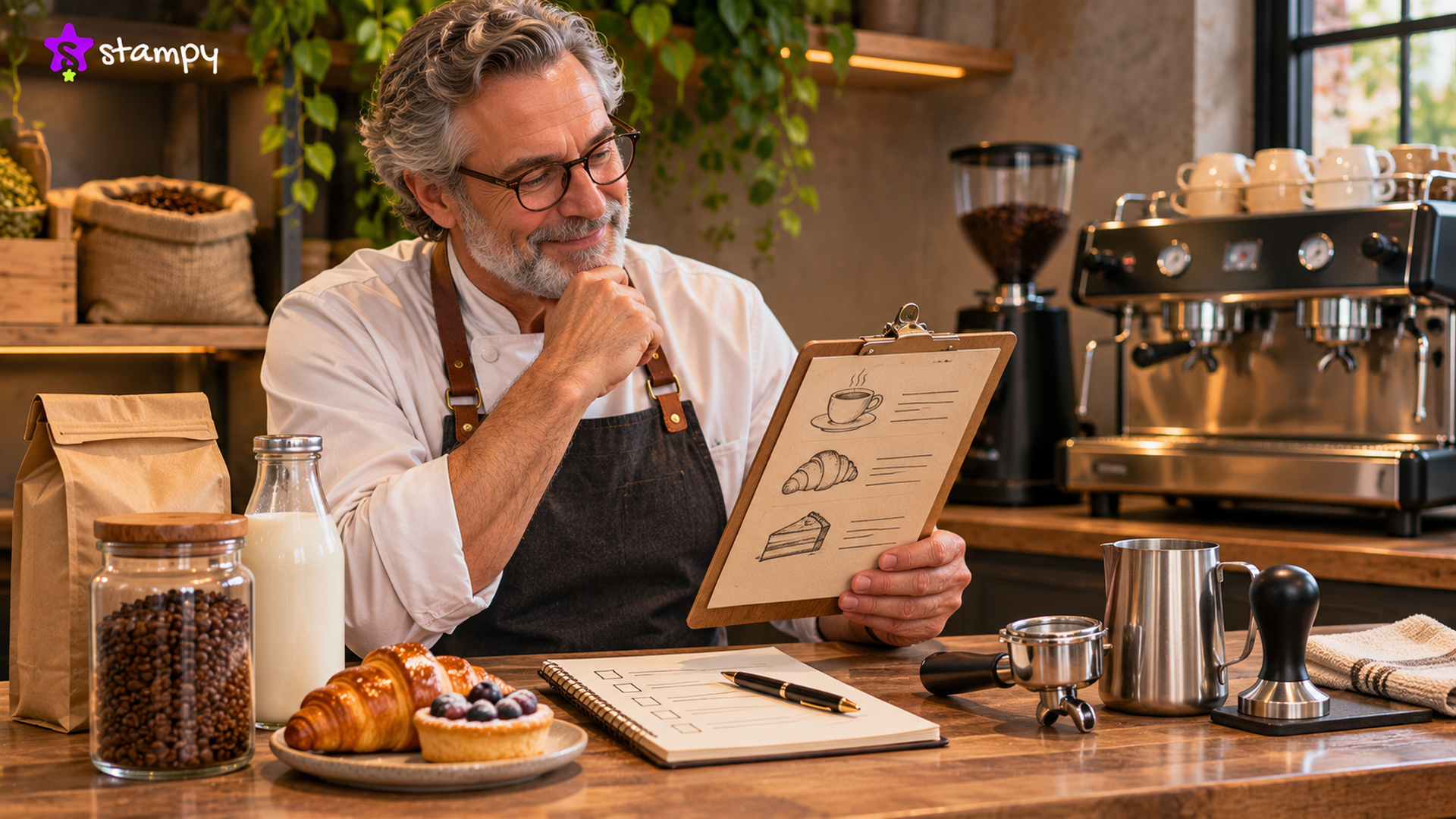
What you buy will depend on what you serve. A takeaway coffee counter may have little use for a large oven, while a café serving hot breakfasts will need more food preparation equipment.
Equipment Category | Essential Items |
Coffee equipment | Espresso machine, grinders, tampers and scales |
Water supply | Water filtration system and suitable plumbing |
Refrigeration | Fridges and chilled food storage |
Food preparation | Ovens, toasters and kitchen utensils |
Payment equipment | Card terminal and point-of-sale system |
Cleaning equipment | Sinks, cleaning products and waste bins |
Serving supplies | Cups, lids, plates, trays and napkins |
Furniture | Tables, chairs, counters and menu boards |
Buying everything new can quickly eat into your budget. Look at professionally refurbished equipment or compare leasing costs if you need to keep your initial spending down.
Design a Counter That Works During Busy Periods
Keep frequently used items close to the coffee machine. There should also be enough space for one employee to take orders while another prepares drinks.
Give customers somewhere to collect their orders without standing in the way of people waiting to pay. Getting this arrangement right before the renovation is finished will save you from having to move equipment later.
Step 6: Hire Staff, Test Operations and Prepare for Opening Day
Part of learning how to run a coffee shop is getting everyone behind the counter comfortable with their work. Give employees time to practise making drinks, using the payment system and following your cleaning procedures.
Hire and Train Your Coffee Shop Team
A small takeaway café might only need you and a couple of employees to begin with. If you're serving meals and offering indoor seating, you'll probably need more help with food preparation, customer service and clearing tables.
- Coffee Preparation: Teach baristas your drink recipes and how to use coffee equipment.
- Customer Service: Explain how staff should handle incorrect orders and unhappy customers.
- Food Safety: Cover hygiene procedures, safe food storage and common allergen questions.
- Daily Duties: Assign responsibility for opening, closing, cleaning and checking stock levels.
- Staff Scheduling: Arrange shifts according to the times you expect to be busiest.
From 1 April 2026, the National Living Wage for workers aged 21 and over is £12.71 per hour.
When preparing your staffing budget, allow for paid holidays, applicable pension contributions and employer National Insurance contributions as well.
Test Your Daily Coffee Shop Operations
Create a coffee shop opening checklist and work through it with your employees. Start with the morning preparations and go through everything that needs doing until closing time.
Operation | What to Check |
Coffee preparation | Taste, quality and preparation time |
Order management | Correct orders and clear communication |
Payment system | Payments, receipts and refunds |
Stock management | Product deliveries and proper storage |
Food safety | Cleaning routines and hygiene records |
Customer service | Handling complaints and incorrect orders |
Run a Soft Opening Before Your Main Launch
A soft opening is a chance to serve customers without the pressure of a full launch. Keep your menu short and limit your opening hours or the number of people you invite.
Pay attention to waiting times, drink quality and how comfortably your staff work together. Make any necessary adjustments before opening at full capacity.
Remember that you must register your food business at least 28 days before food operations begin. This includes your soft opening.
Make Changes Based on Early Feedback
Talk to people who visit during your first few days. Ask if they enjoyed their coffee and whether there was anything they felt was missing.
Use what you learn to adjust staffing, stock orders and menu choices. Paying attention to these details is part of turning first-time customers into regulars.
Step 7: Promote Your Coffee Shop and Turn First-Time Customers Into Regulars
Let people in the neighbourhood know you're opening. They don't need to see an expensive advertising campaign. Knowing where your café is, what you sell and when you're open may be enough to encourage an initial visit.
Set Up Your Google Business Profile
Someone searching for coffee nearby should be able to find your address and opening hours without much effort. Set up your Google Business Profile and make sure the information is accurate.
Include the following details:
- Business Details: Add your café's name, address, telephone number and relevant business category.
- Opening Hours: Show your regular trading hours and update them during bank holidays.
- Menu Information: Add your current menu with prices for food and drinks.
- Business Photos: Share pictures of your storefront, coffee, food and available seating.
- Customer Reviews: Invite customers to share honest opinions about their visits.
Make time to reply to reviews, particularly when someone raises a genuine concern. Don't give customers free coffee, discounts or loyalty stamps in exchange for Google reviews.
Create a Simple Opening Marketing Plan
If you're wondering how to attract customers to a coffee shop, look around your own street first. People living nearby or working in neighbouring offices are worth reaching because they can visit without travelling far.
- Social Media: Share your opening date, menu and pictures of your new premises.
- Local Partnerships: Visit nearby offices and introduce your coffee shop to local businesses.
- Opening Offers: Give customers an affordable reason to try your coffee and food.
- Community Groups: Announce your opening in relevant neighbourhood groups and local communities.
- Shop Signage: Put your menu and prices somewhere passing customers can easily read.
- Seasonal Drinks: Occasionally add something different to give regular customers more choice.
These coffee shop marketing tips for UK businesses provide more ideas you can use after your opening week.
Introduce a Coffee Shop Loyalty Programme From Day One
People who buy coffee on their way to work often return to the same few cafés. Give them an extra reason to make yours one of those places.
It's worth comparing stamp-based and points-based loyalty programmes before choosing how you want customers to earn rewards.
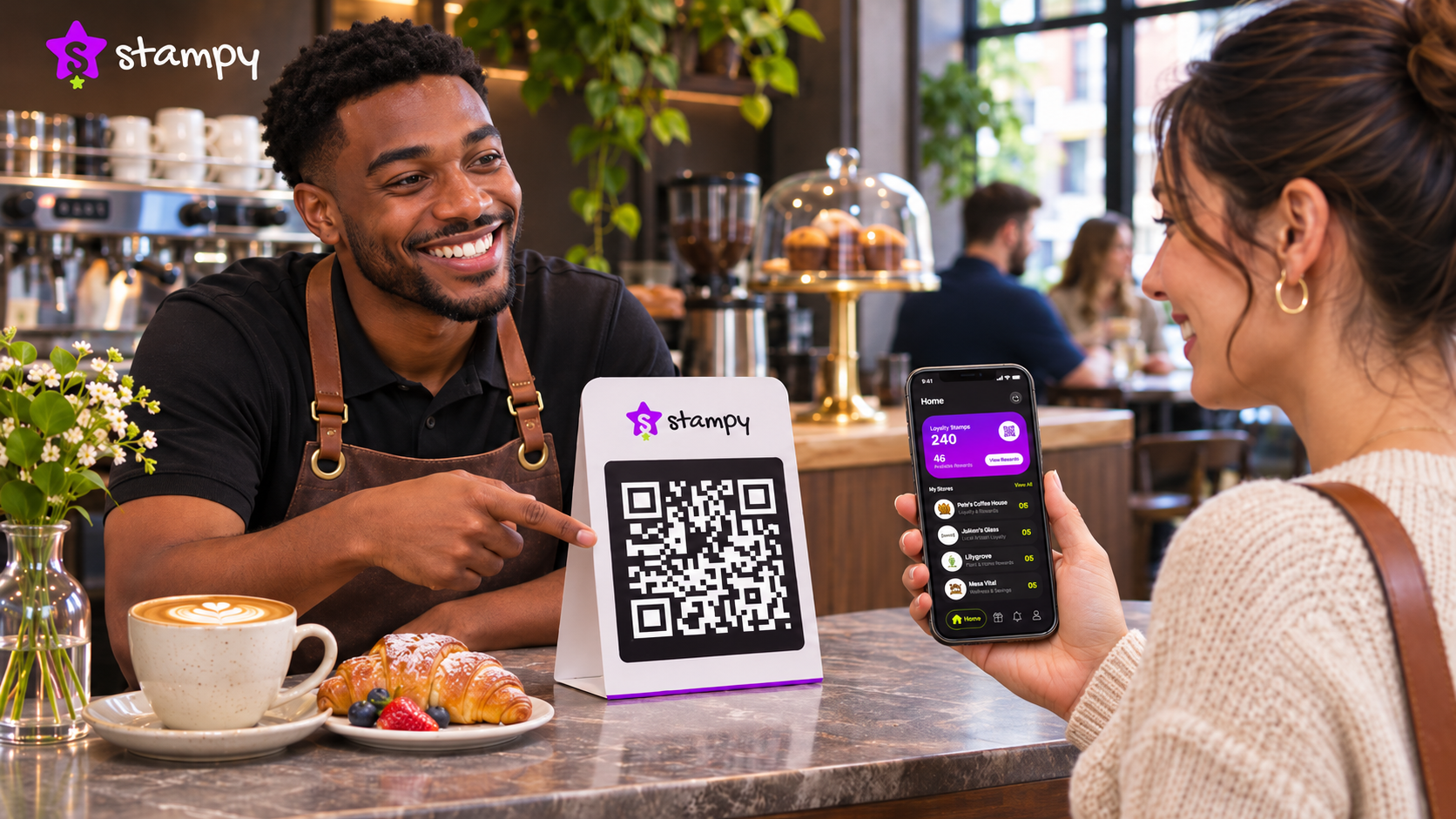
Rather than printing paper cards, you can use Stampy's digital loyalty programme for coffee shops. Customers collect their stamps directly on their phones.
Here's what happens when a customer makes a qualifying purchase:
- The customer joins your coffee shop's loyalty programme through the app.
- Your employee scans the customer's QR code after an eligible purchase.
- The customer receives a digital stamp and can see their reward progress.
- After collecting enough stamps, the customer can claim the available reward.
Depending on your chosen plan, you can also see customer activity, track repeat visits and send relevant offers.
Here are some rewards you could introduce when your coffee shop opens.
Loyalty Reward | Business Goal |
Free coffee after eight qualifying purchases | Encourage regular coffee purchases |
Free pastry after qualifying breakfast purchases | Increase breakfast sales |
Complimentary drink upgrade | Reward regular customers |
Double stamps during quiet hours | Increase sales during slower periods |
Free seasonal drink | Encourage customers to try new products |
Keep the loyalty reward redemption rules simple. A customer should know which purchases earn stamps and what they can claim without having to ask several questions.
If you're still deciding which platform to use, compare the best loyalty apps for coffee shops in the UK to find one that suits your needs.
Track Your First 30 Days of Business
Keep a daily record of what you're selling and spending during your first month. The figures will help you see how close your actual results are to the estimates in your business plan.
What to Track | Why It Matters |
Daily customer orders | Shows whether you are meeting your sales targets |
Average customer spend | Tells you how much customers spend per order |
Best-selling products | Identifies your most popular food and drinks |
Repeat customer visits | Shows whether customers are coming back |
Reward redemptions | Helps you understand which rewards customers use |
Food waste | Identifies products you may be ordering unnecessarily |
Running expenses | Shows whether your business is staying within budget |
Sales by trading hour | Helps you identify busy and quiet periods |
For instance, if you're selling plenty of coffee before work but afternoons are quiet, test a coffee and pastry offer during the slower hours. You could also give customers double stamps for purchases made during that period.
There are other low-cost coffee shop marketing ideas worth trying before putting more money into paid advertising.
Conclusion
Take your time when choosing where to open your coffee shop in London. Find out what local customers want, calculate the cost of renting and running the property, and make sure your expected sales can cover those expenses. Sort out your registrations, equipment and staff training before opening.
You'll learn more about your business once people start coming in. Listen to their feedback, watch which products sell and adjust your spending where necessary.
When someone enjoys their first coffee at your café, give them a reason to come back. Stampy lets you reward those customers through digital stamp cards without handing out paper cards. Choose a reward that's easy to earn, affordable for your business and worth returning for.
Frequently Asked Questions
1. How much money do you need to open a coffee shop in London?
There is no fixed amount. Your biggest expenses will usually include the property, renovation work, equipment and staffing. Taking over an existing café or opening a small takeaway kiosk may help reduce these costs.
2. Do you need a licence to open a coffee shop in London?
You must register your coffee shop as a food business at least 28 days before trading. You may need separate licences for selling alcohol, serving late-night refreshments or placing tables on a public pavement.
3. Can you start a coffee shop in London with no experience?
Yes. However, spending some time learning how to prepare coffee, manage stock and follow food safety procedures is worthwhile. You could also hire an experienced barista to help you maintain drink quality.
4. How long does it take to open a coffee shop in London?
It can take anywhere from several weeks to several months. An existing café may be ready sooner than an empty property requiring plumbing, electrical work and other renovations.
5. Is opening a coffee shop in London profitable?
Yes, if the business earns more than it spends. Rent, staff wages, menu prices and daily customer numbers will affect your profits. Regular customers can also help you maintain more consistent sales.
6. Can you start a coffee shop in London with a small budget?
Yes. A coffee cart, takeaway kiosk or pop-up may be more affordable than a seated café. You can keep costs down further by buying refurbished equipment and starting with a limited menu.